
Since we featured some sad news in our last post — though tempered with some really good news from a Portland cat cafe — we’ll wrap up the week with some humor, absurdities and science, all cat-related of course:
- Do you have two cats? If so, you can help researchers from UC Davis and the University of British Columbia, who are studying the ways cats interact with each other in human homes. All you have to do is watch a few cat videos online, then answer a handful of questions about the behavior of the cats in those clips, as well as the behavior of your own kitties. With enough data from participants, the research teams hope they can better understand the often-inscrutable interactions, squabbles, truces and social hierarchies that define relationships between domestic felines sharing the same home territory. “Ultimately, we hope this research can help identify gaps in owners’ knowledge of cat behavior,” U of BC’s Sherry Khoddami told Gizmodo. “The welfare of cats in the home is an under-researched area.”
- Yes, cats do have a long and distinguished history of “messing shit up,” and they simply don’t care. Maybe that’s why cats singing the Imperial March from Star Wars — okay, cats sampled and pitch-shifted to the Imperial March’s melody — feels appropriate. Our fluffballs are inevitable.
This week brought us stories of two cats who were reunited with their humans after more than a decade apart, both in the UK.
- Tom, a tuxedo in Cardiff, Wales, went missing in 2009. He spent most of the past decade-plus living with another cat in the safety of a cemetery with the help of a nearby family, who kept them well-fed. It wasn’t until recently that someone tipped off a local rescue to the presence of the two “strays,” and finally Tom’s microchip was scanned. On Friday, Tom’s human, Donna, was overcome with emotion when she reunited with the little guy at Anna’s Rescue Centre of Cardiff, fighting back tears as she stooped down to stroke his fur. Donna also adopted Tom’s longtime companion from the cemetery. (Click the link for video, which we were not able to embed.)
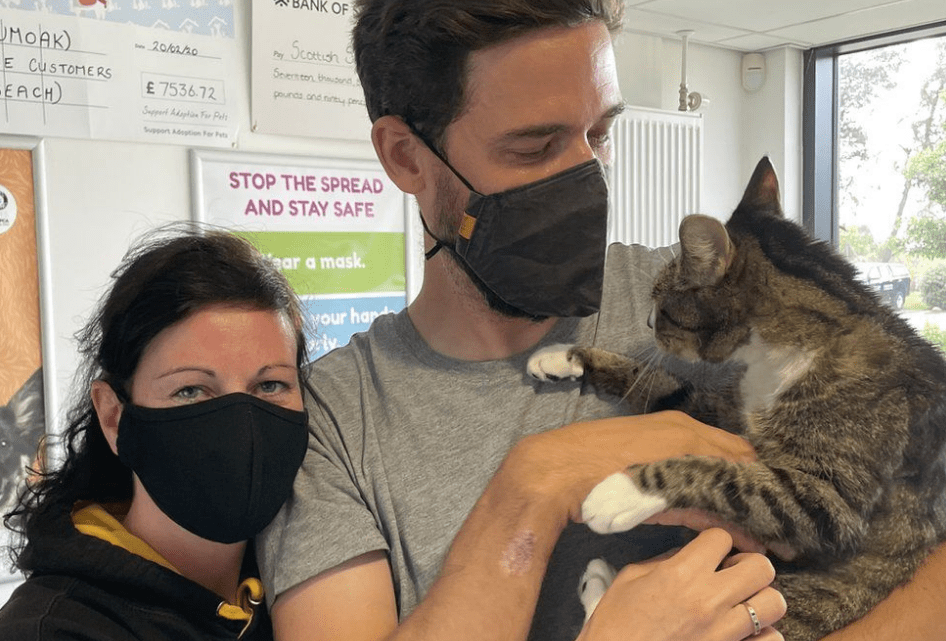
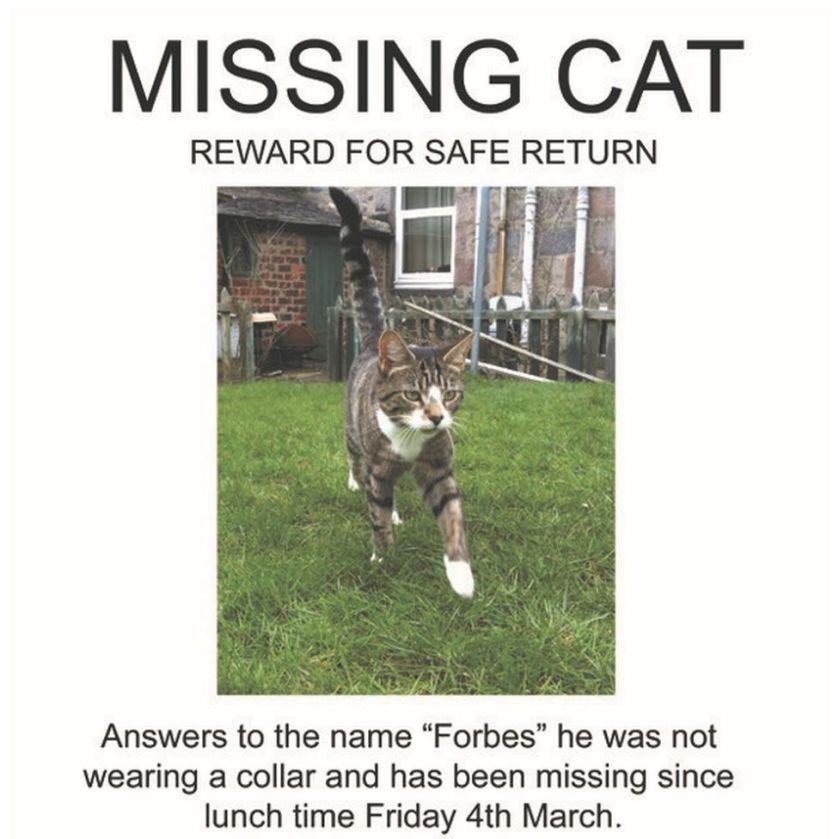
- Meanwhile in Aberdeen, Neil and Lucy Henderson were reunited with their tabby, Forbes, who had gone missing in 2011. Neil Henderson was so shocked, he had to pull over and stop his car when his wife told him Forbes had been located by the SCPA. “I was completely unprepared for what I was about to be told and hearing that Forbes had been found left me completely astounded,” he told the BBC. Forbes was picked up by an animal control officer who realized he was very friendly and had a microchip. The Hendersons “have no way of knowing where Forbes had been all this time or what adventures he might have been on,” but they’re ecstatic that he’s back home.



 Pain In The Bud