Mt. Takao: Snow Monkeys and Shrines

About an hour from the heart of Tokyo, Mt. Takao offers shrines, snow monkeys and hiking paths.

I arrived at Mt. Takao’s monkey park just in time to watch an exciting part of the day for the troop: lunch.

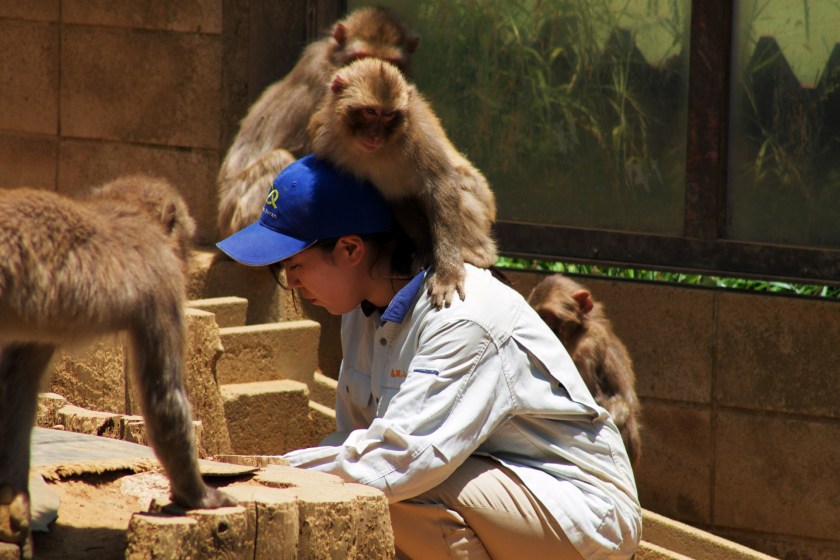
One of the keepers entered the exhibit with a bucket of seeds, and this little guy decided he wanted a ride:
Mt. Takao snow monkey rides a keeper
A juvenile snow monkey at Japan’s Mt. Takao hops on a keeper’s shoulder.

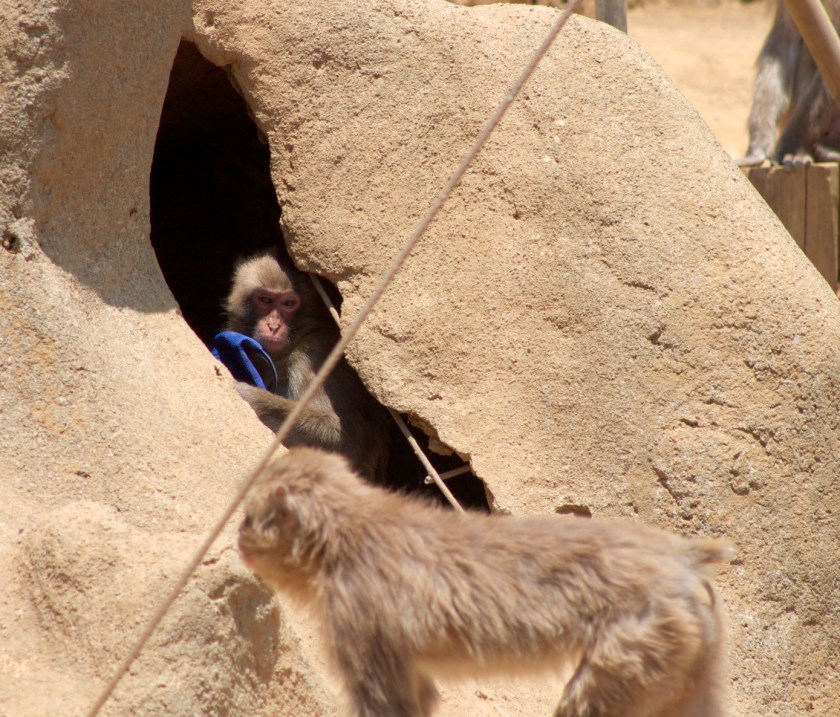
After a few minutes of snatching up seeds, the little monkey decided he liked the keeper’s hat, so he helped himself to it:
My. Takao snow monkey steals hat
A young snow monkey hides from one of his keepers after running off with her hat.

The keeper couldn’t get the monkey to give up the hat, so she called in reinforcements. For the next few minutes, two keepers tried to grab a hat from one monkey hiding in a den with five exits.

It was like wack-a-mole as his little face kept popping out of the various holes only to beat a hasty retreat and try for another when one of the keepers spotted him.

Eventually they did get the hat back after the prankster grew bored.
Snow monkey baby and older sibling
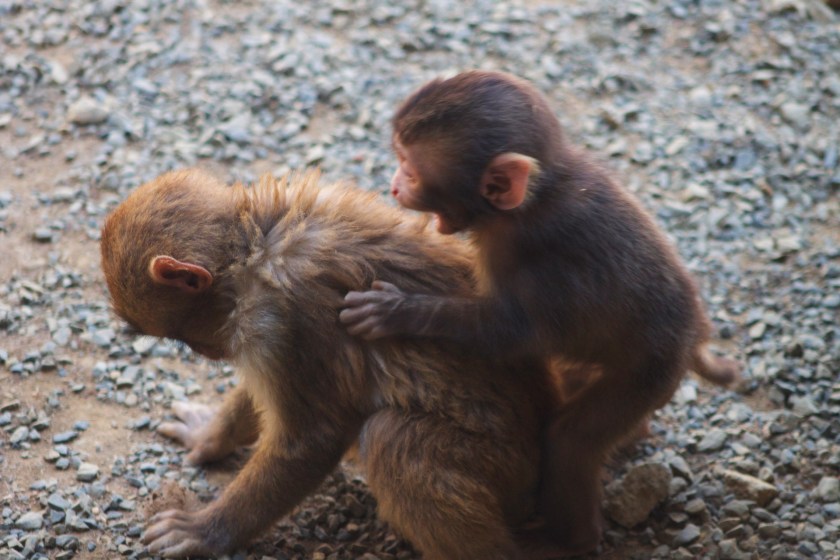
A weeks-old snow monkey baby wants to play with her older sibling, who’s picking seeds off the ground.

Snow monkeys are macaques, just like rhesus monkeys, bonnets and long-tails. What makes them unique is the fact that they are the northern-most, coldest-dwelling non-human primates on the planet.

No other monkey or ape can tolerate the extreme cold like Japanese macaques. Most people have seen images of them in snowy Nagano, where they bathe in hot springs during the deep chill and sleep in tightly-packed “group hugs” to share body heat.

Japanese macaques live in matriarchal societies. Each troop is headed by an alpha and a matriarch. Troops have strict hierarchies, and rank is matrilineal — a monkey’s standing in the troop depends on who his or her mother is.

Females stay in their maternal troops for life, while males are driven out by the alpha and his lieutenants on the cusp of adulthood, usually around six or seven years old.

This has the benefit of removing potential challengers to the throne as well as preventing inbreeding. The ousted males will spend their next few years trying to prove themselves to new troops, or decide to start their own.

I spotted the group’s alpha in the most well-shaded corner of the enclosure, attended to by three lesser-ranked monkeys who were grooming his fur. Grooming is a big deal in macaque society — it’s one of their primary social activities, where relationships are forged and problems smoothed out.

It pays to be king: The alpha always eats first, has first claim to choice spots and first crack at propagating his DNA.

Also present were two nursing moms with infants. Macaques, especially Japanese and rhesus monkeys, are extraordinarily dedicated mothers.

Japanese macaques mom and her baby
A snow monkey mom encourages her baby to take a few steps.

Babies spend almost the entirety of their first six to eight months of life clinging to their mothers by clutching their fur. As the babies become more ambulatory, their mothers gently nudge them to crawl, to take their first steps or climb their first obstacle.

Upon success, the babies will hop back into their mothers’ arms. Life continues that way for several more months until the babies are about a year old and start to venture further from their moms. They continue to nurse for up to two years.
Japanese macaque and baby
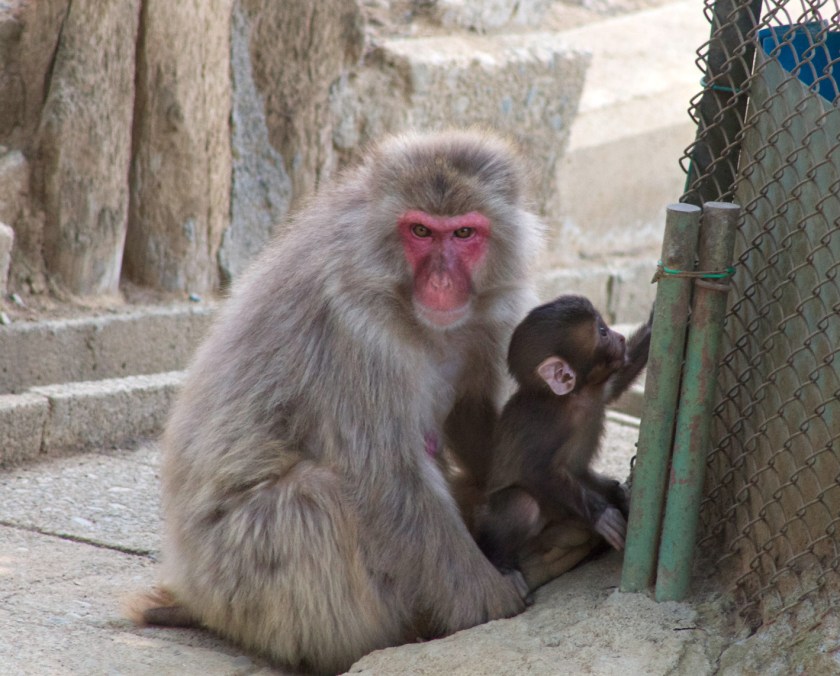
A patient mother encourages her weeks-old baby to climb.

After the impromptu monkey show, I met up with my brother and we made our way up mountain toward several shrine complexes and temples.
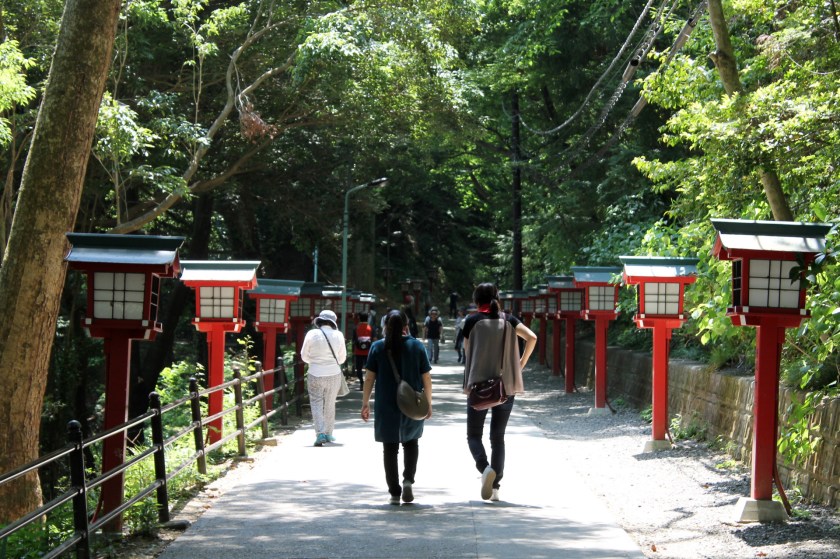
Mt. Takao, Tokyo, Japan
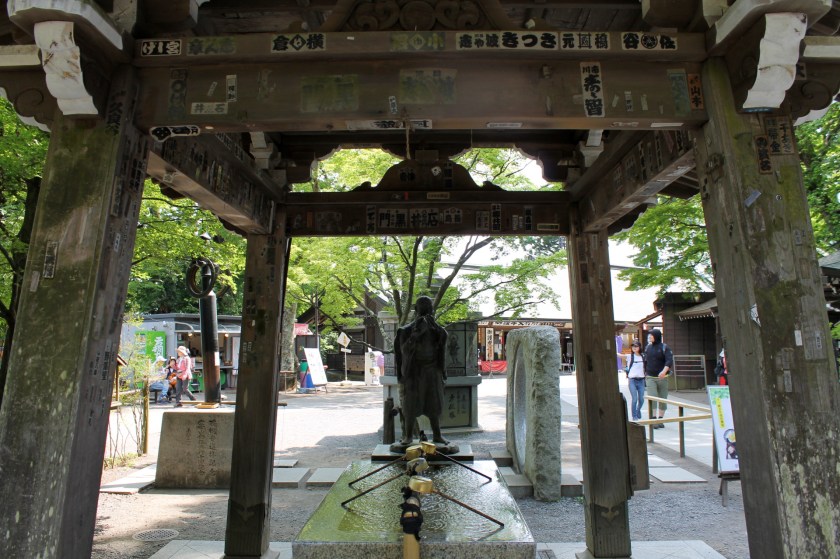
Visitors make their way toward a shrine on Mt. Takao.

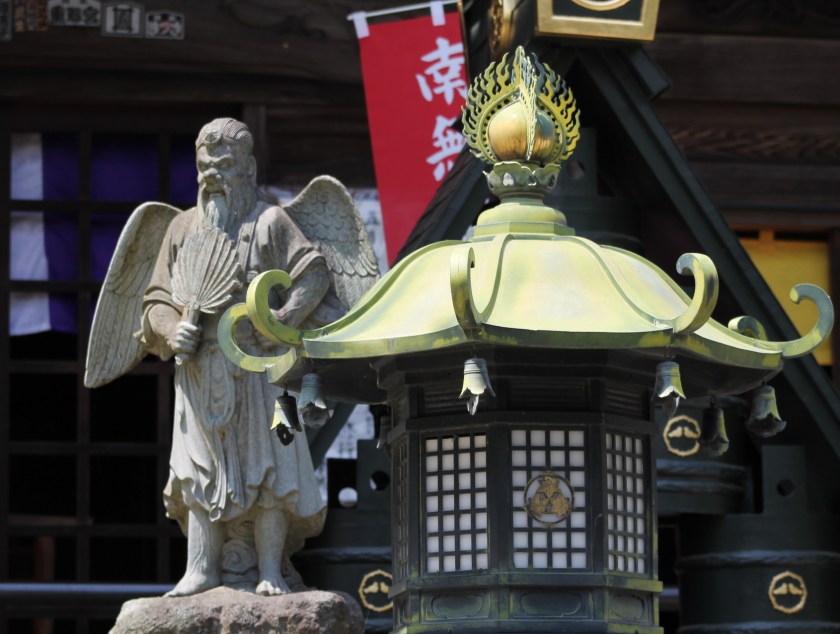
Mt. Takao tops out at 1,965-ft, and the ascent to its peak is peppered with mixed Buddhist-Shinto shrines. They’re the real deal, with centuries-old woodwork and artifacts that date back even further.

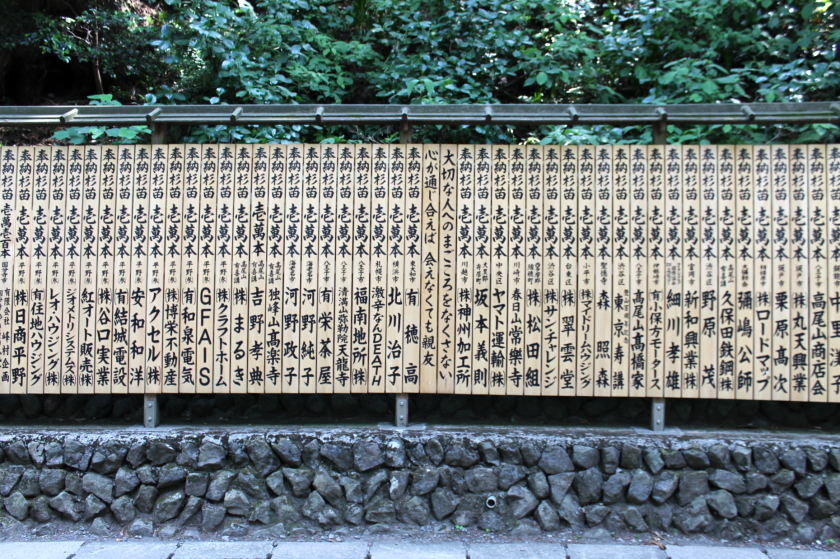
Each shrine in the country has its own unique stamps and calligraphic symbols. Visitors can buy blank books and collect stamps and calligraphy from each shrine they visit.

In this photo, a woman paints calligraphy onto a blank page with precise brush strokes:
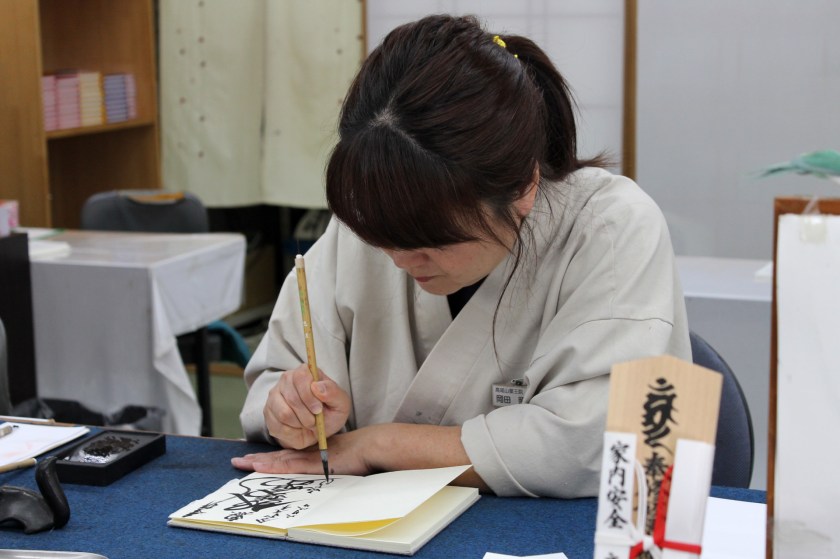
26939D8B-0061-4AD5-8F5E-A799F74E7531

Further uphill are the temples:

Woman in prayer
The shrines and temples aren’t just part of history, they’re sites of religious importance.
Buddha statues
Statues of Buddha on tall plinths line a path adjacent to a medium-size temple

3985F1B9-1B80-44AB-9867-016B825F5AC5

646B2D88-6C6E-4C15-BF2D-06F12ADC4534

00CCC686-B77D-4185-809B-48330BC1CD0E


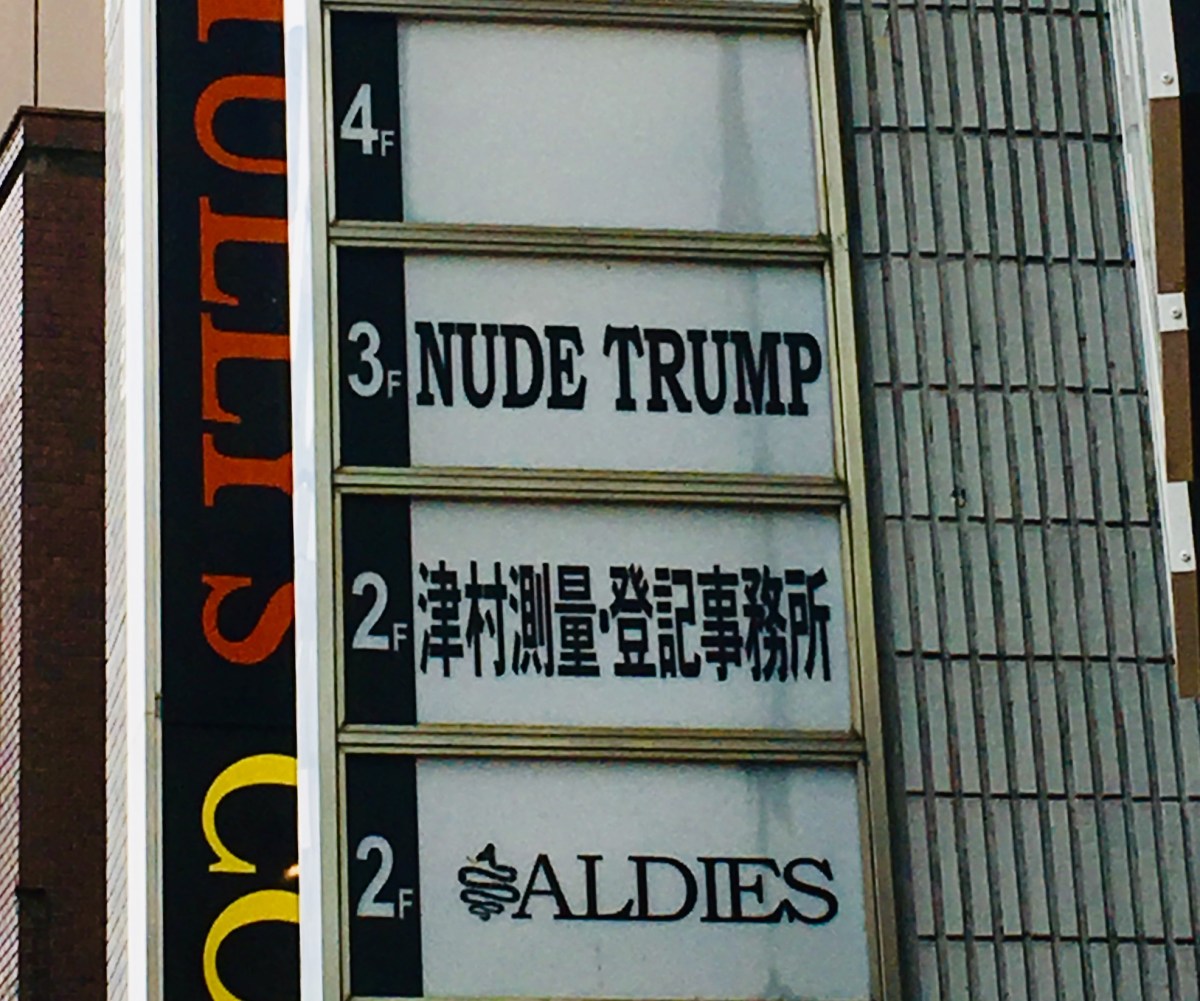
NUDE TRUMP: WTF Is This?!

“I take terrific nudes, okay folks? The best, the best nudes you’ve ever seen. They’re tremendous.”

Now what’s an American tourist to make of this?

What the hell is this place?

An art gallery featuring images of the 45th president in the buff?

“These are terrific! Tremendous! I take the best nudes, I really do, okay folks?”

Maybe some sick theme restaurant? A Trump-owned strip club?

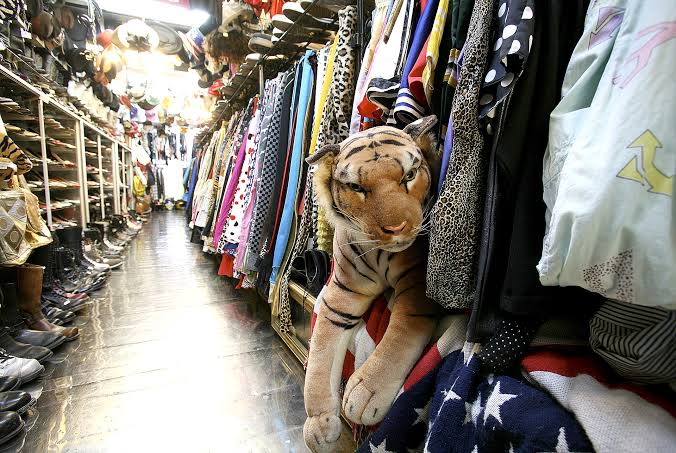
Turns out it’s a vintage clothing store, a place that’s been supplying Shibuya’s trendsetters with bizarre Americana and loud kitsch for several decades.

NUDE TRUMP: Store interior
The interior of NUDE TRUMP, a clothing store that caters to Shibuya’s hipsters.

The name isn’t inspired by President Trump, according to owner Hayao Matsumura: It’s a reference to vintage playing cards decorated with pinup models.

The neighboring Trump room, described as a favorite haunt of Tokyo hipsters, is also unaffiliated with the president.

Shibuya: Where Dogs Rule

Tokyo may belong to its cats, but in Shibuya a dog holds a special place in everyone’s hearts.

Every day on his way home from work, Hidesaburō Ueno would step off the train at Shibuya Station and find his Akita dog, Hachiko, waiting for him.

Hachiko adored Ueno, an agriculture engineering professor at Tokyo Imperial University, now called the University of Tokyo.

Then one day Ueno was in mid-lecture in front of a class of students when he suffered a brain hemorrhage and died on the spot.

For the first time, Hachiko went to Shibuya Station and didn’t see his beloved human step off the train to greet him.

The little dog went back the next day. And the next. And the day after that.

Hachiko went to the Shibuya Station every day for the next 10 years, until he died of old age.

C8C0725C-4AF3-49D9-8847-C5ADDE88B743

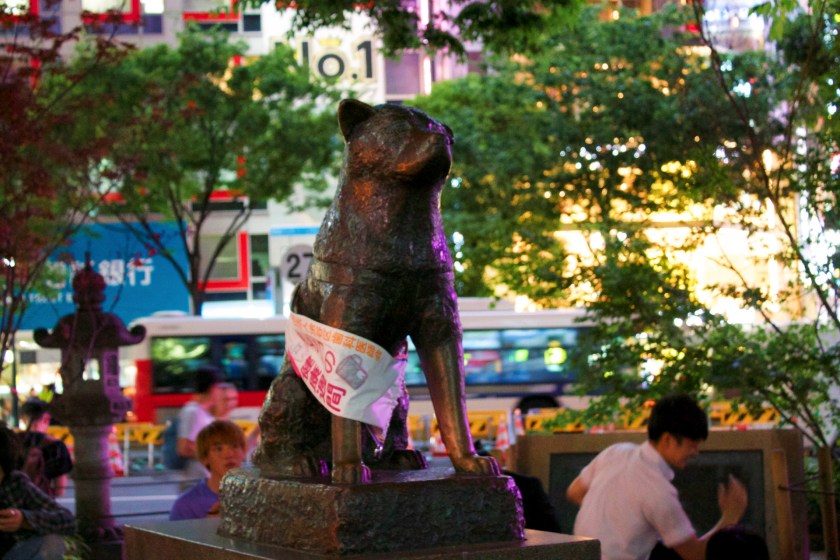
Today the world’s most loyal dog is remembered with a statue at Shibuya Crossing, the world’s busiest intersection.

It’s a place marked by impermanence — three thousand pedestrians traverse Shibuya’s scramble crossing during every traffic light cycle, and thousands of faces come and go on the array of massive video screens overlooking the intersection.

The one thing that never changes is Hachiko, standing in the same spot he returned to every day, eternally keeping watch for his buddy.

———————

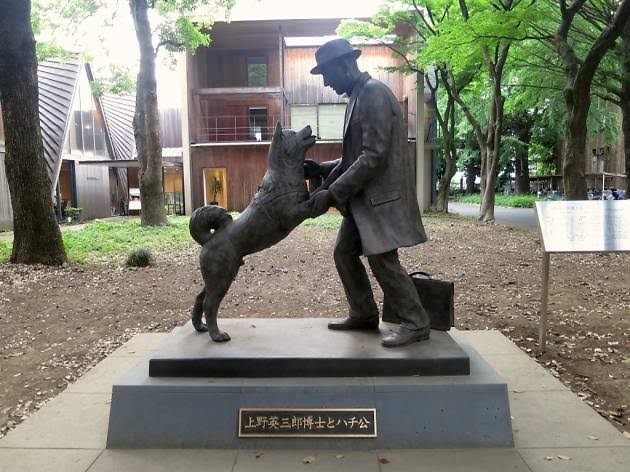
In 2015, the University of Tokyo unveiled a new statue on its campus, reuniting Hachiko with Ueno in the afterlife:

A2AD5109-E733-4054-8615-B6DF20039248

Photo credit: Joyce Lam/TimeOut Tokyo

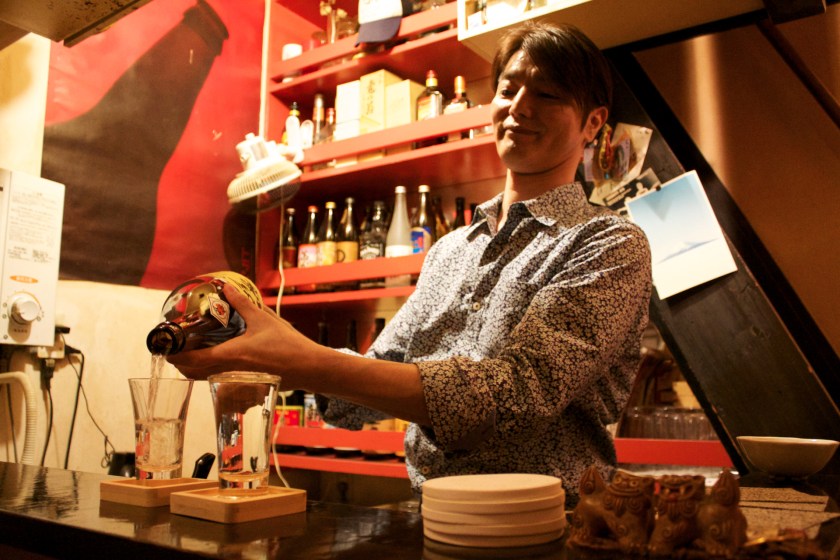
Finally, who’s that dapper fellow pouring sake? That’s my man Satoshi, bartender at what he translated as a “little drink box” —- one of Shibuya’s tiny bars, dozens of which are packed into alleys between the main streets.

AA38D364-6611-4E8D-9898-C4CA97B769E3

Satoshi’s bar seats five people, so we drank with two Tokyo natives who kindly humored me and my questions while my brother did his best at translating. He’s pretty good! I’m proud of him for learning the language so well, even though he insists he’s not very good.

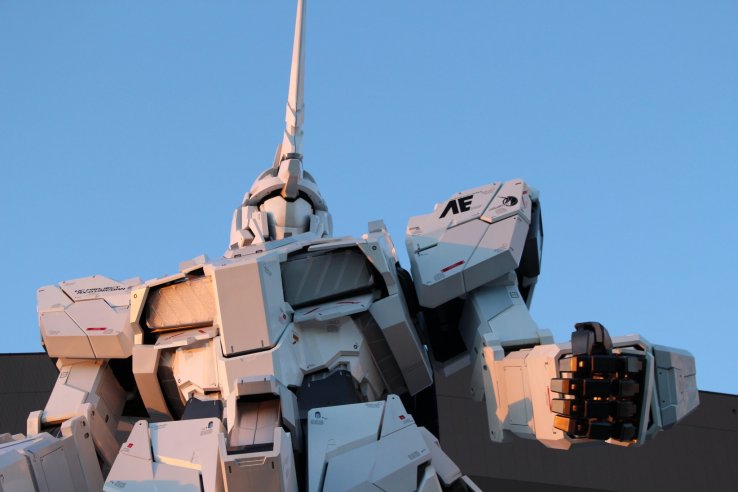
Today I return to Shibuya to help my sister-in-law find a birthday present for my brother, and my next stop is Odaiba to meet a life-size Gundam RX-0 Unicorn.

81912D1A-D69E-4BD5-A299-CE97AD2A1D5D

Photo credit: Tom Roseveare

Note: All photos by Big Buddy unless noted. The photos of Shibuya Crossing were taken from an observation platform on the rooftop of a nearby building.


Six Trees

Hello from Tokyo!


I’m here! Not much to show yet, as I didn’t quite nail the settings for properly shooting such a light-ambient city on my first night walk around Tokyo.

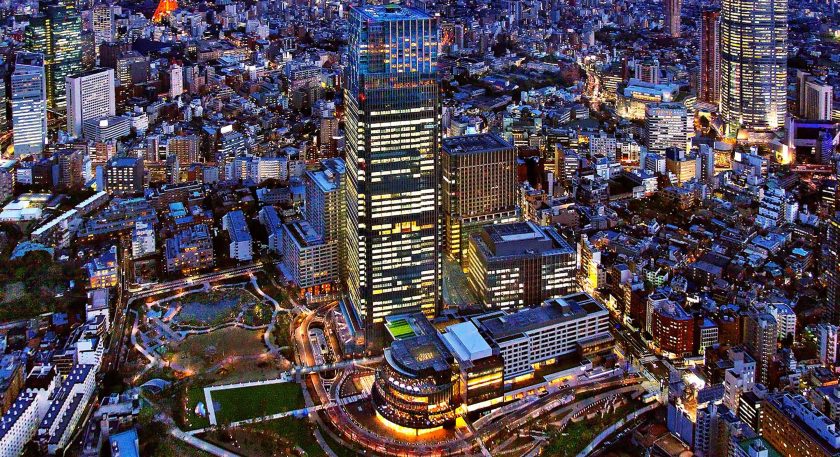
The immediate neighborhood is midway between Roppongi and Akasaka, not far from Tokyo Midtown. The word Roppongi means “six trees,” and the name dates back almost four centuries when the area was marked by half a dozen distinctive zelkova, also known as Japanese elm.

Here’s an aerial photo of the district:

C209AF87-A207-4CBA-90D2-D3D3AD0B56D6

As you can see, there’s a nice balance between green areas and urban density. Whereas New York has a very straightforward grid layout and you can get a feel for the dimensions of the city by looking down certain avenues running the length or width of the island, it’s easy to see why some people say Tokyo feels never-ending, one big sprawl of twisting streets, hills and alleys.

There’s also a verticality that gives it a different feel from American cities. Manhattan is famous for its urban “canyons,” but oftentimes there’s a clear demarcation between residential and commercial, both horizontally and vertically. Stores and restaurants are almost always on street level, while upper levels are either apartments or offices.

In this part of Tokyo the restaurants, shops, karaoke bars and movie theaters are just as likely to be on the 10th floor as the first, and the signs are often inscrutable even when they’re in English: A sign for one place, called Seven, includes no information about what kind of establishment it is beyond a cryptic piece of text that reads “I like when fight pure.”

Maybe it’s a boxing gym where they’re really sensitive about the rules. Or maybe it’s a bar where Japanese women mud-wrestle. Either one seems just as likely.

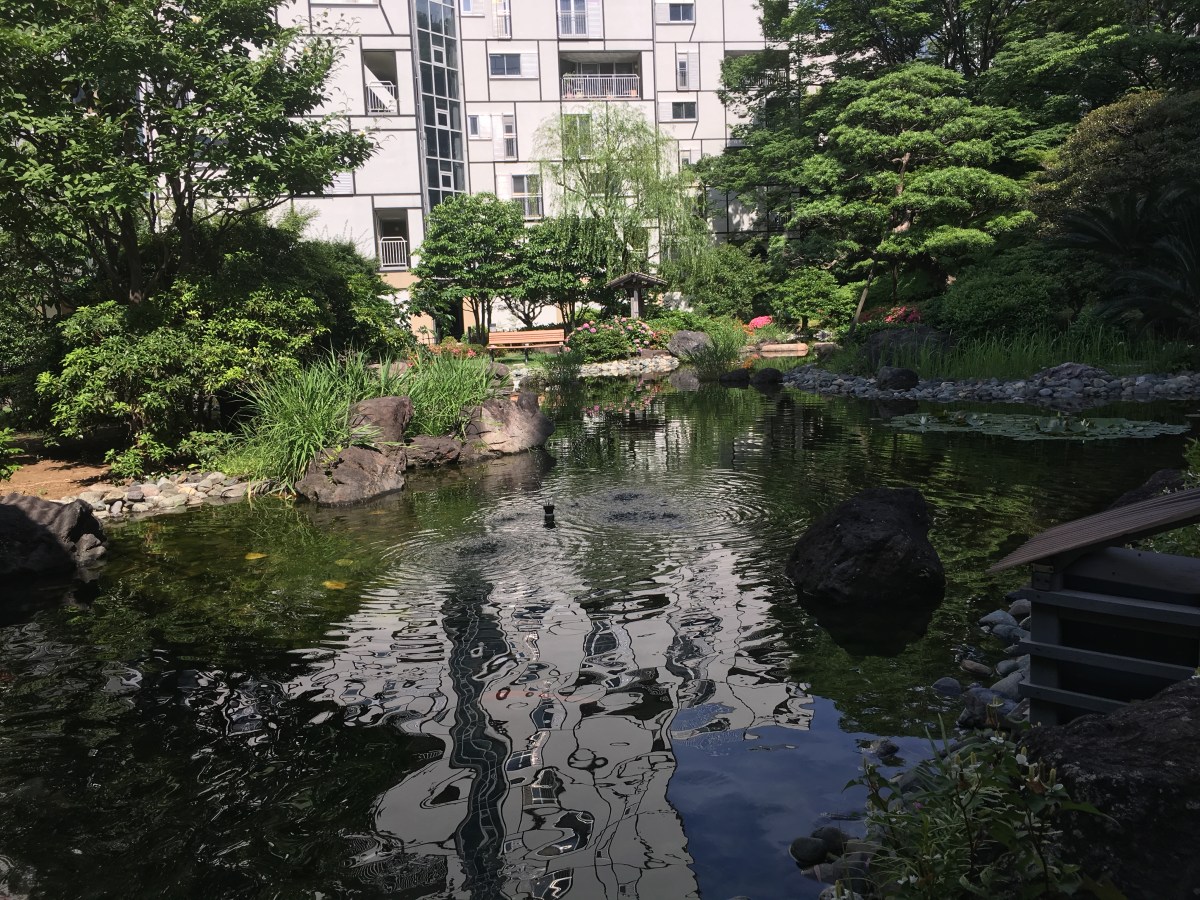
Below are some day shots, including a koi pond in the courtyard of my brother’s building. I’m not sure if Buddy would lick his lips or run in terror from these koi. They’re pretty big. And orange. And they jump! Any one of those things are enough to strike fear in the heart of the scaredy cat. Strange to think they can live as long as 35 years.


Meanwhile back in New York…

A52EC0C3-B99F-4115-BF37-59264429DFCF

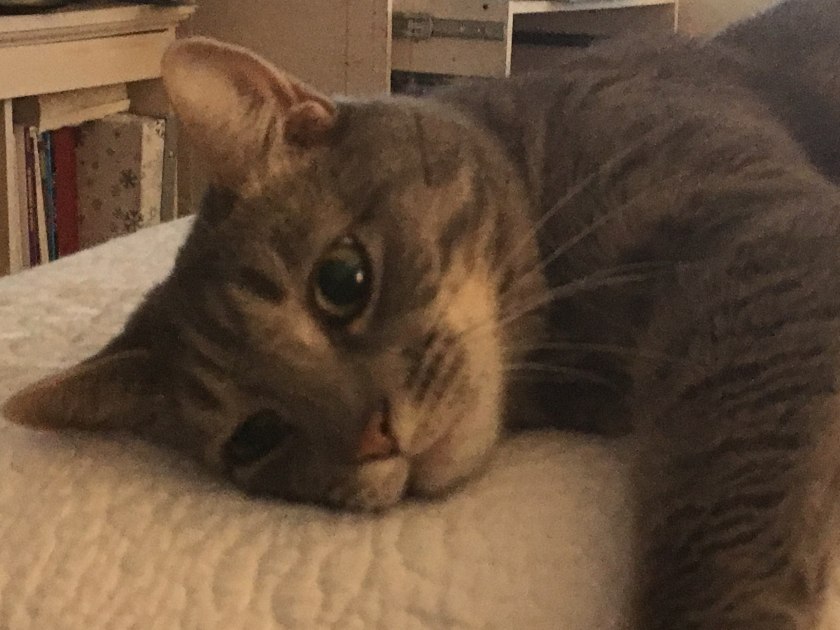
Looking at this photo, it almost seems like Buddy’s laying there dejected, thinking “Woe is me! Where has my Big Buddy gone? I am lost without him!”

Yet my mom reports Buddy waited for me and barely ate the first night, then by the second night he realized he’s still getting treated like a king, so he’s over it. The little jerk!

Going to Japan

Big Buddy heads to Tokyo and the kitty-obsessed Land of the Rising Sun!

Big Buddy is heading to Japan for a couple of weeks. What does that mean for Pain In The Bud?

Photographs! I plan to shoot as much as I can while I’m there. Snow monkeys (Japanese macaques) are on the itinerary, and I can’t wait to shoot Japanese night life and Tokyo itself, but Japan is a famously cat-obsessed country so I don’t think I’ll have any trouble finding kitties and kitty-themed everything to photograph.

Of course I’m also planning on visiting a cat cafe or two while I’m there, because I’ll definitely miss my Little Buddy.

DA38519C-0E56-46FD-999C-3134DAA085E6

Which brings me to the next order of business: Buddy himself will be in the care of my mother. This gives me an opportunity to lay an enormous guilt trip on her for refusing to allow Buddy to sleep in bed with her.

“Think of poor Buddy, mom. All alone, missing me terribly, accustomed to curling up with his beloved Big Buddy at night, and you’re not going to allow him in the bedroom? What kind of person is so cruel? You’re telling me you’re going to hear his plaintive meows for comfort, his tiny little paws beating on the door as he desperately seeks human contact, and you’re going to coldly lay there and ignore him? You’re a terrible person.”

I’ve already made it clear I expect daily photographs of Buddy next to the current day’s edition of the newspaper, so I can verify he’s still alive and well in the care evil clutches of my mother.

In reality he’s probably going to drive her crazy, so the joke’s on her. Muahahaha!

(Mom, if you’re reading this, you know how much I love you!)

98F41561-AE12-42A6-8E53-9890FAD28B52

Finally, there’s the matter of separation anxiety for the Buddies. I’m going to leave a dirty t-shirt or two on my bed so Bud can take in my familiar scent — which smells of victory, bad assery and Curve all at once — and take comfort from it. As for me, I’m going to see if he’ll acknowledge me via Facetime through an iPad screen. That should be interesting.

The last time I was gone for an extended period of time, I walked in the door and Buddy was so excited he puked. I hope he keeps his lunch this time around. 🙂

I am going to miss my Little Buddy!

Pain In The Bud will be updated a few more times before the trip, and by late Sunday or Monday I should be updating from the Land of the Rising Sun!