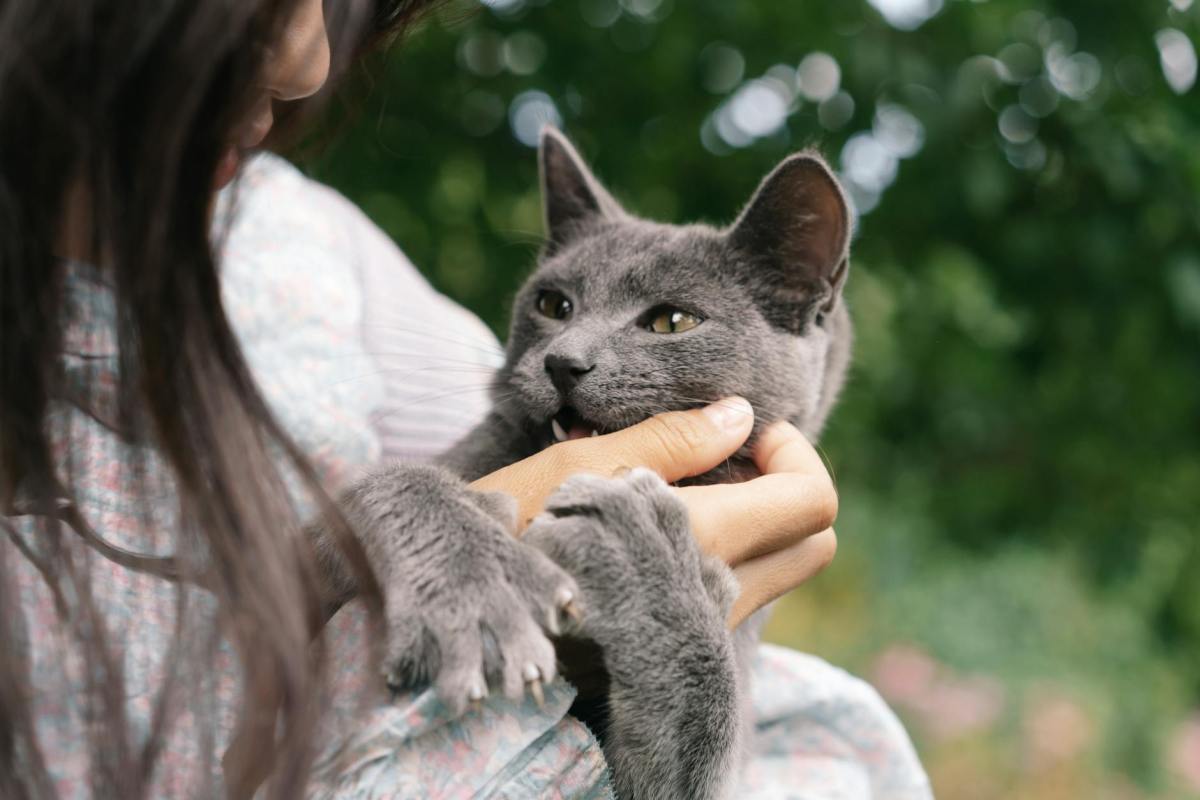
‘What Owning A Cat Does To Your Brain’

Positive contact with our furry friends releases happy chemicals for both human servant and feline master, improving their bond.

Happy Cater, uh, unday!

We’ve got no immature cat humor for you today, but I thought PITB readers might be interested in this essay from The Conversation, which despite its ominous title actually goes into some detail about research showing the positive effects of bonding with a cat.

Affection between you and your feline friend results in a burst of oxytocin — the happy brain chemical — for both of you.

But crucially (and here’s where I feel validated for constantly preaching this), your cat enjoys the benefit only if the little one is securely attached and is not forced into interaction.

I’ve said it so many times, I feel like a broken record, especially because the web is saturated with articles that ask “How Can I Make My Cat Like/Love Me?

And the answer, of course, is that you can’t.

That’s part of what makes cats so awesome. We have to earn their trust and affection, and a major part of that process is respecting our cats’ feelings. That means we let them come to us, we stop petting them when they’ve had enough, and we don’t prevent them from leaving when they decide they want to lay on the couch or the floor instead of our laps.

Credir: TIVASEE/Pexels

Cats grant us benefits beyond oxytocin boosts, of course, and the linked article goes into that as well. It’s well worth a read, even if you’re an old pro at cat whispering.

President Buddy: Not Funny!

It’s obvious I model President Buddy’s behavior after a certain someone in addition to dialing his own traits up to 11, but in the wake of recent news, a story I’d written no longer feels funny.

Not because it was offensive, but because satirizing current events just feels inappropriate with all that’s been going on, from our extreme polarization and political violence, to the sad state of global affairs.

At the same time, I spent quite a bit of time making another denomination of Cat Dollars, and since there’s no longer any satirical story for it, I figured I’d share it here.

President Buddy sure does like seeing his portrait everywhere. This time I skipped the powdered wig and gave him a more modern appearance:

Meowster Money and Meowster Delicious are the treasurer and secretary of yums, respectively. A thousand cat bucks is a lot of cans! (Or snacks.)

In the meantime I’ve been working on some designs I hope to turn into t-shirts and possibly other things like prints. They range from a regal-looking lion to a jaguar roaring in the night with a retrofuturistic feel. Watch this space for more details in the near future!
Study: Cats Will Happily Accept Food From Jerks

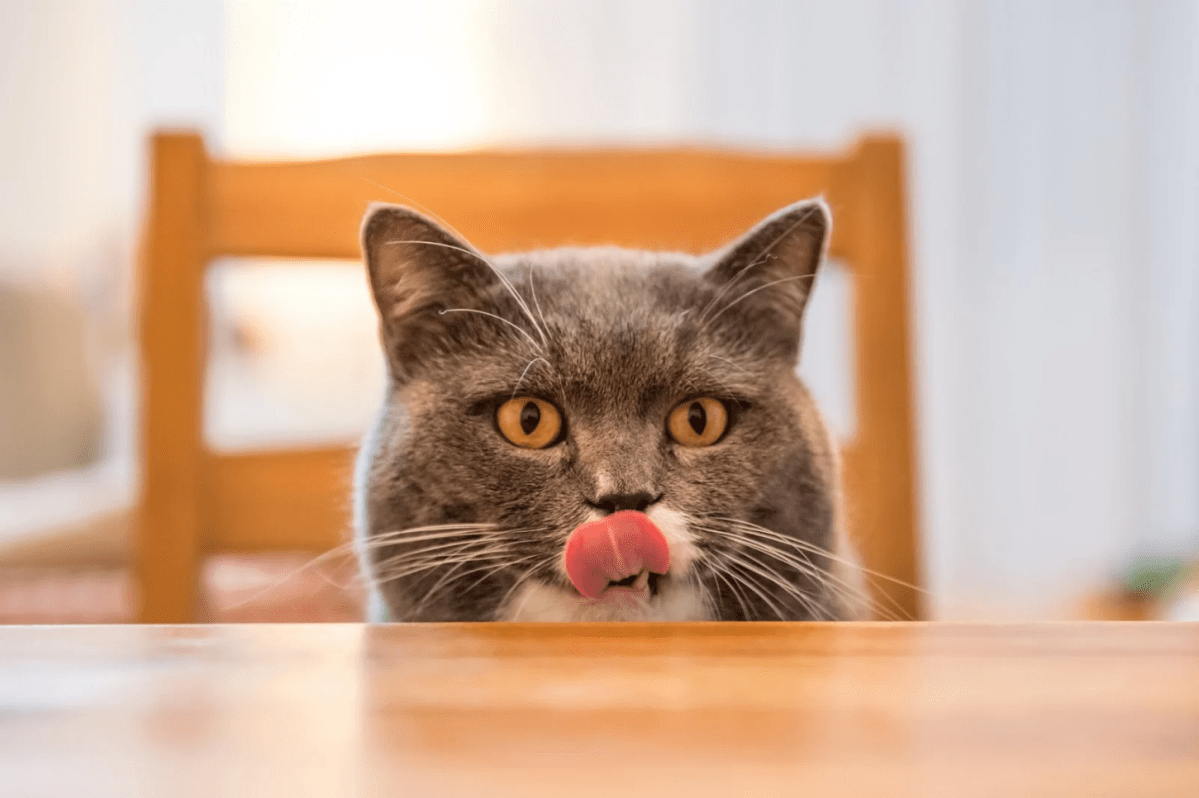
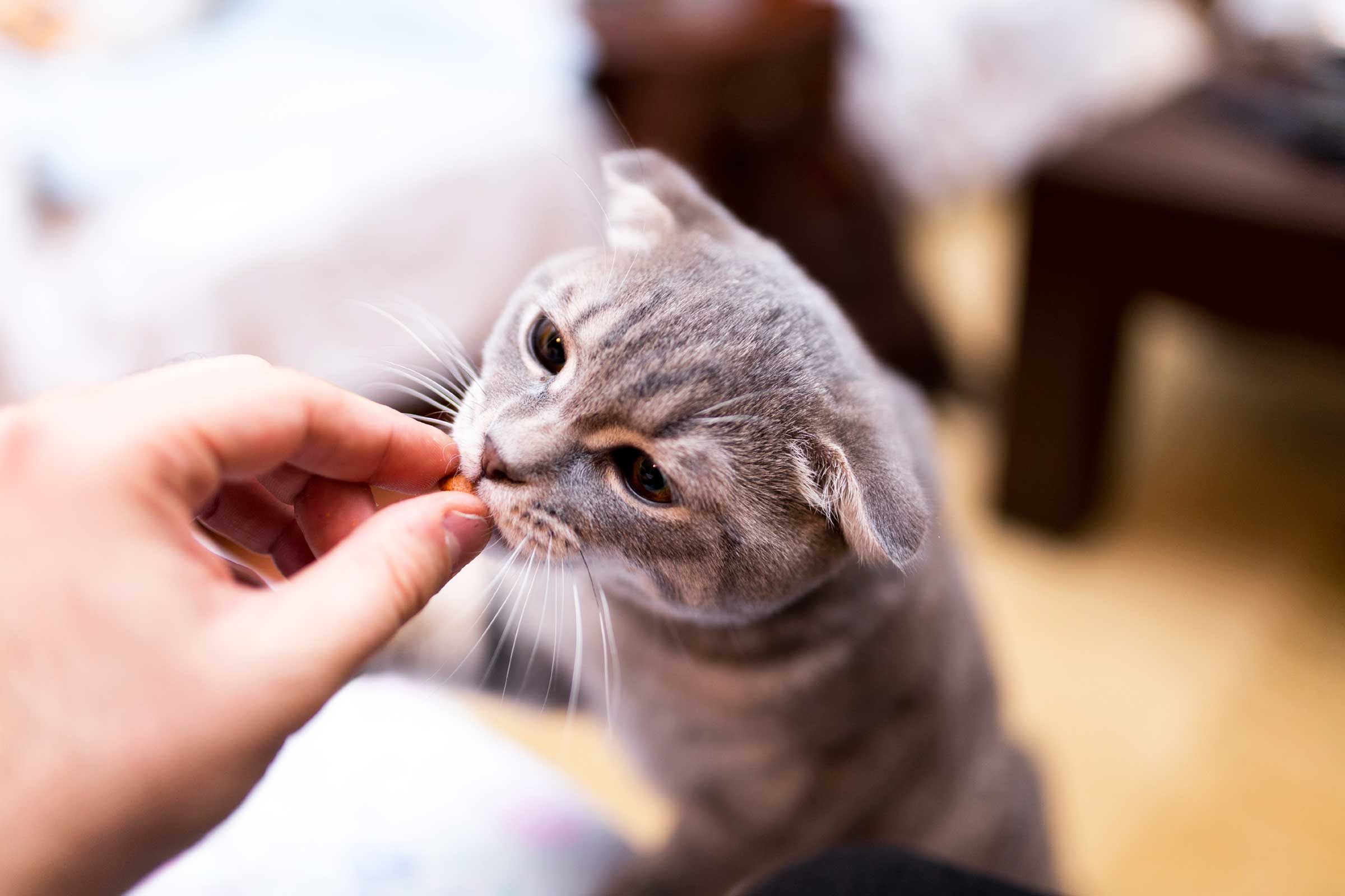
A new study shows cats will take food from anyone, even people who refuse to help the cats’ owners with a problem.

Taking studies designed for children and dogs and applying them to cats has been all the rage lately after a series of studies yielded new insights about the way cats bond with their humans.

Earlier studies showed cats, like kids and dogs, look to their humans for reassurance in strange situations and derive comfort from the latter’s presence. Likewise, they’re less confident if they’re forced to face unknown situations without the “security blanket” of their big buddies nearby.

Now a research team in Kyoto has taken another study designed for dogs — known as the “helpful stranger” study — and placed cats in the same situation to find out how they react.

Sure, I'll Take A Treat!
A new study shows cats don’t discriminate when it comes to who’s giving them food.

Both humans and dogs show a preference for what researchers call “prosocial individuals.” In plain language, it means they pay attention to the way strangers treat the people they care about. A dog who sees a stranger respond negatively to its caretaker will avoid the stranger, even if the latter is waving a delicious treat.

In the study, cats watch their owners try to open a box while two strangers are present:

“[C]ats watched as their owner first tried unsuccessfully to open a transparent container to take out an object, and then requested help from a person sitting nearby. In the Helper condition, this second person (helper) helped the owner to open the container, whereas in the Non-Helper condition the actor refused to help, turning away instead. A third, passive (neutral) person sat on the other side of the owner in both conditions.

After the interaction, the actor and the neutral person each offered a piece of food to the cat, and we recorded which person the cat took food from. Cats completed four trials and showed neither a preference for the helper nor avoidance of the non-helper.”

At first glance it looks like cats really don’t care if a person is helpful or friendly toward their “owners.” If a person is offering them yums, why shouldn’t they take them?

That sounds like exactly the sort of thing cats would do, but the research team says we should hold off on judging our food-loving feline friends. It may be that cats simply don’t understand that the stranger(s) aren’t being helpful. After all, if your cat sees you struggling with a package, does she offer to help?

If it is true, it’s not necessarily cats’ fault: We’ve long known they aren’t as well-attuned to human social cues as dogs are, a fact that can be attributed to their route to domestication. There simply wasn’t any reason to carefully breed cats to pick up on those cues, as we did historically with dogs, because cats were already wildly successful at their primary job, which was rodent extermination. Taking on cuddle and companionship duties didn’t happen until later when people began to value the little ones for more than their sharp claws and teeth.

“We consider that cats might not possess the same social evaluation abilities as dogs, at least in this situation, because unlike the latter, they have not been selected to cooperate with humans,” the scientists wrote.

The research team says the results are suggestive, but more studies should be done before drawing any real conclusions about our furry friends. Knowing cats often get a bad rep due to stereotypes and misunderstandings, we agree.