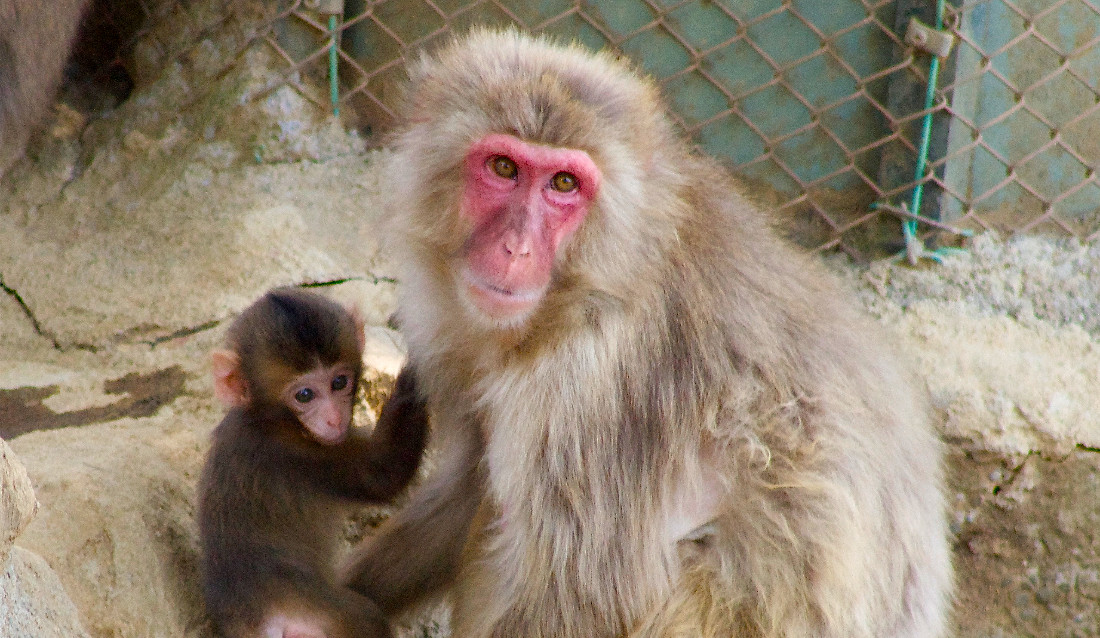
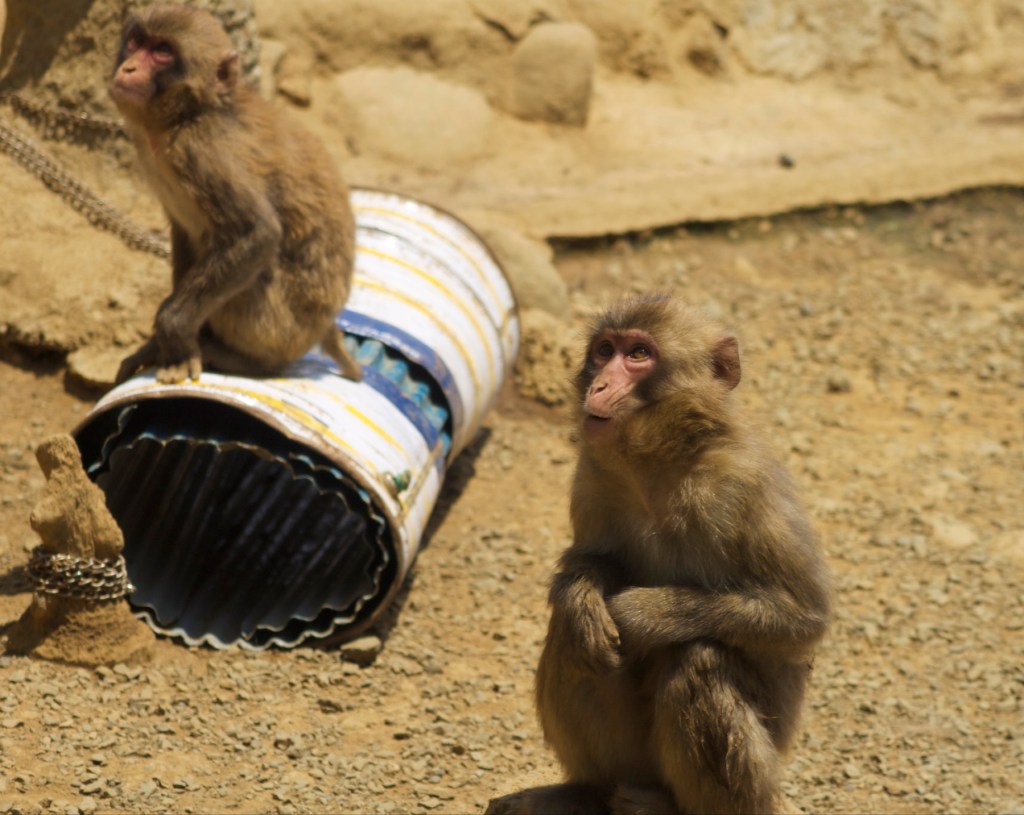
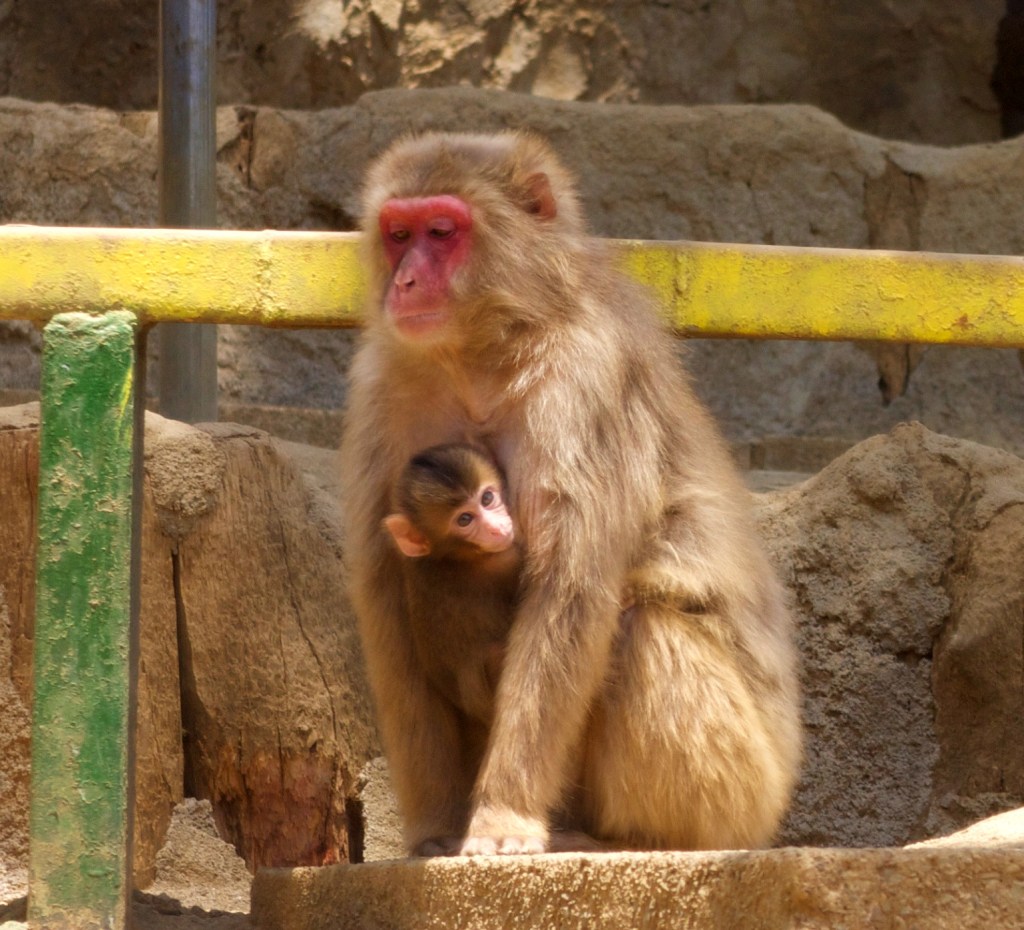
Meet the Japanese macaques, also known as snow monkeys, living in an enclosure on the side of Mt. Takao, about an hour from Tokyo.
A note on this series: Although I published some of these photos earlier, the majority have been recovered from an old drive that took a circuitous route of more than five years, three continents and four countries to get back to me. I plan to run them in themed segments on Wednesdays this summer, including Tokyo nightlife, shrines, cityscapes and more. This week’s photos are from the snow monkey exhibit at Mt. Takao.
Japanese macaques are the northernmost-dwelling of any non-human primate species.
They’re built for the cold, with heavier coats than their cousins, the rhesus, long-tailed and bonnet macaques. They also sleep in well-organized groups, rotating so each monkey gets time in the center to soak up body heat, and they’re famous for keeping warm in northern Japan’s hot springs.
But as these photos show, snow monkeys are also adaptable, and they make the best of things during the hot, humid summers at Mt. Takao, about 51 km (30 miles) from Tokyo.
These photos were taken on a hot day in June when I was one of only a handful of visitors.
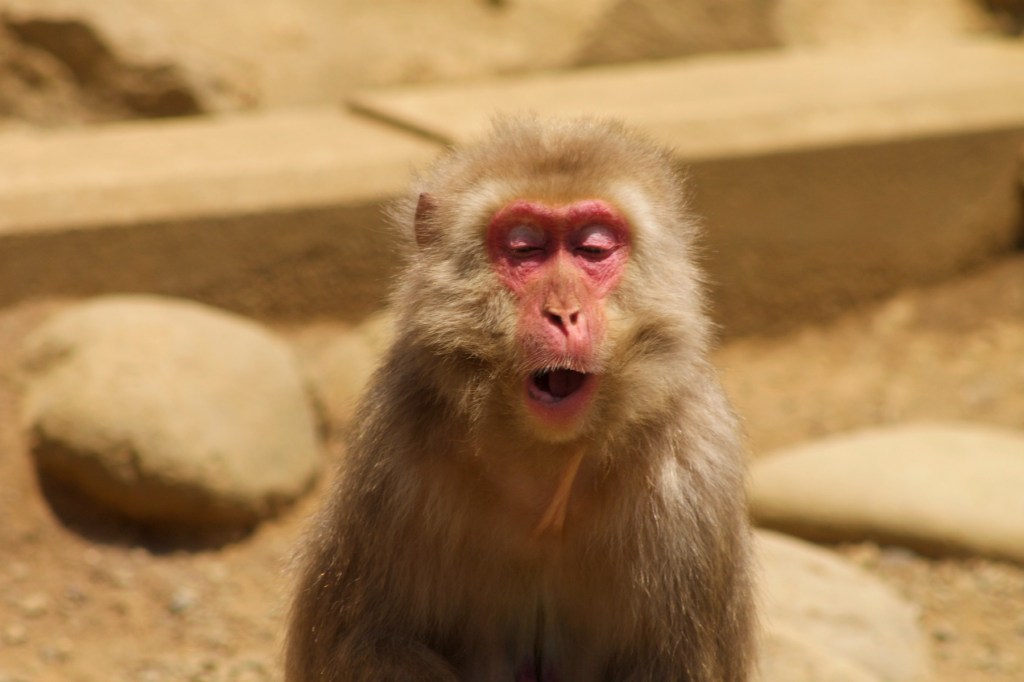
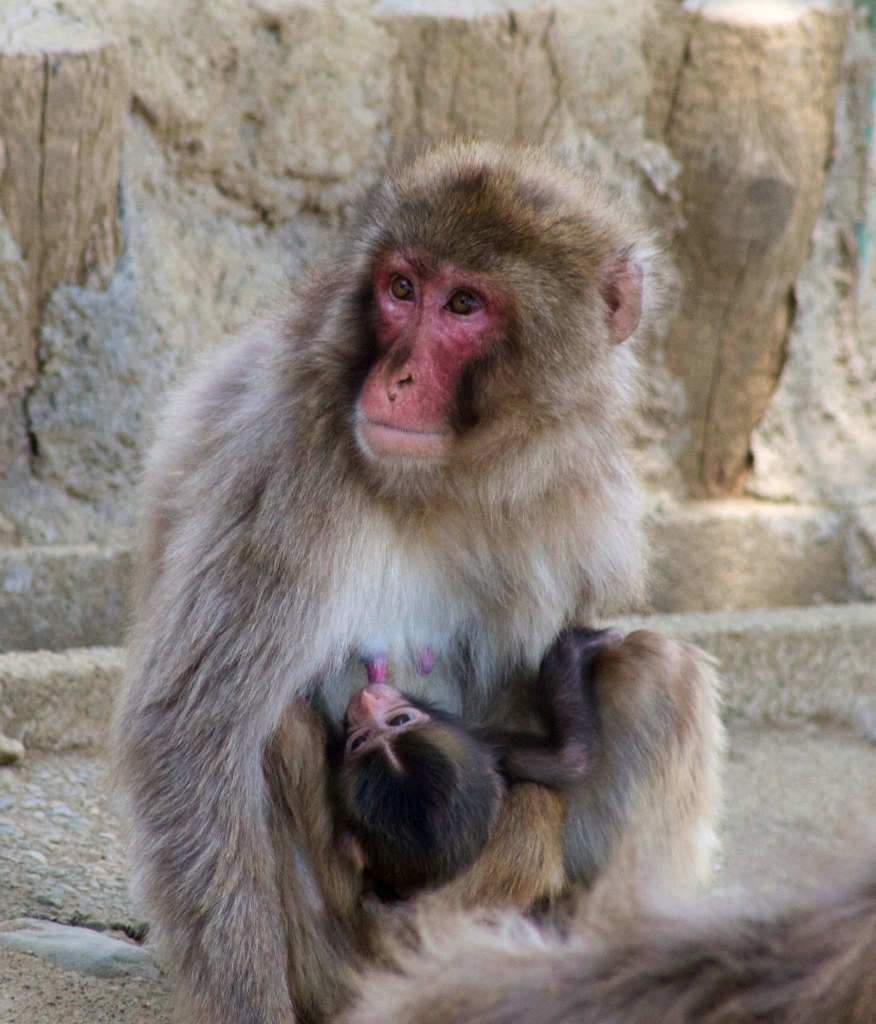
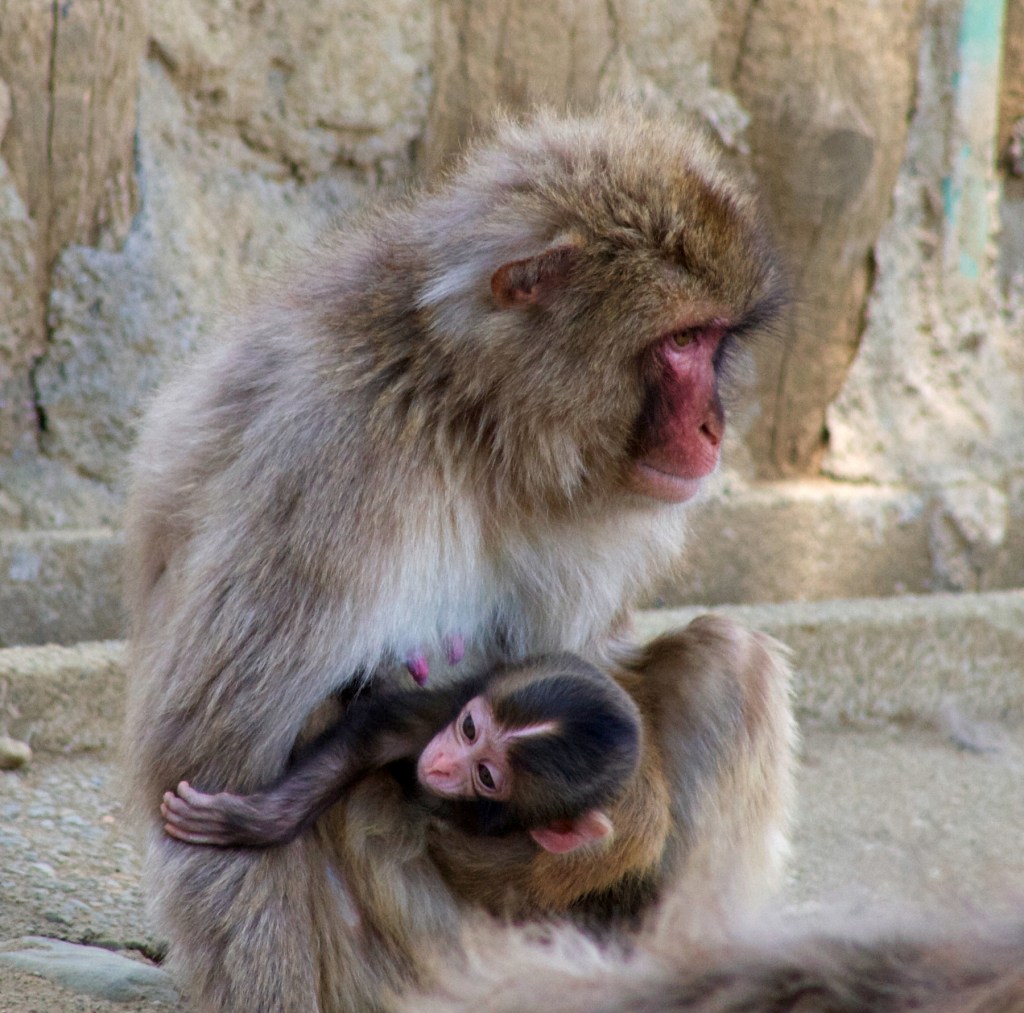
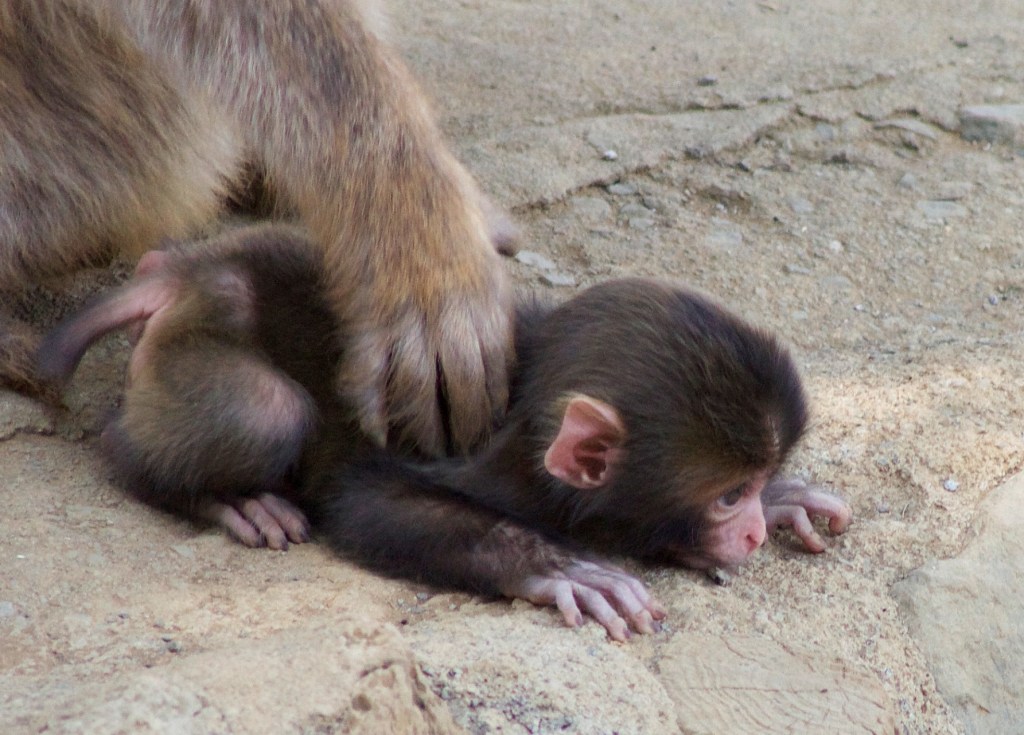
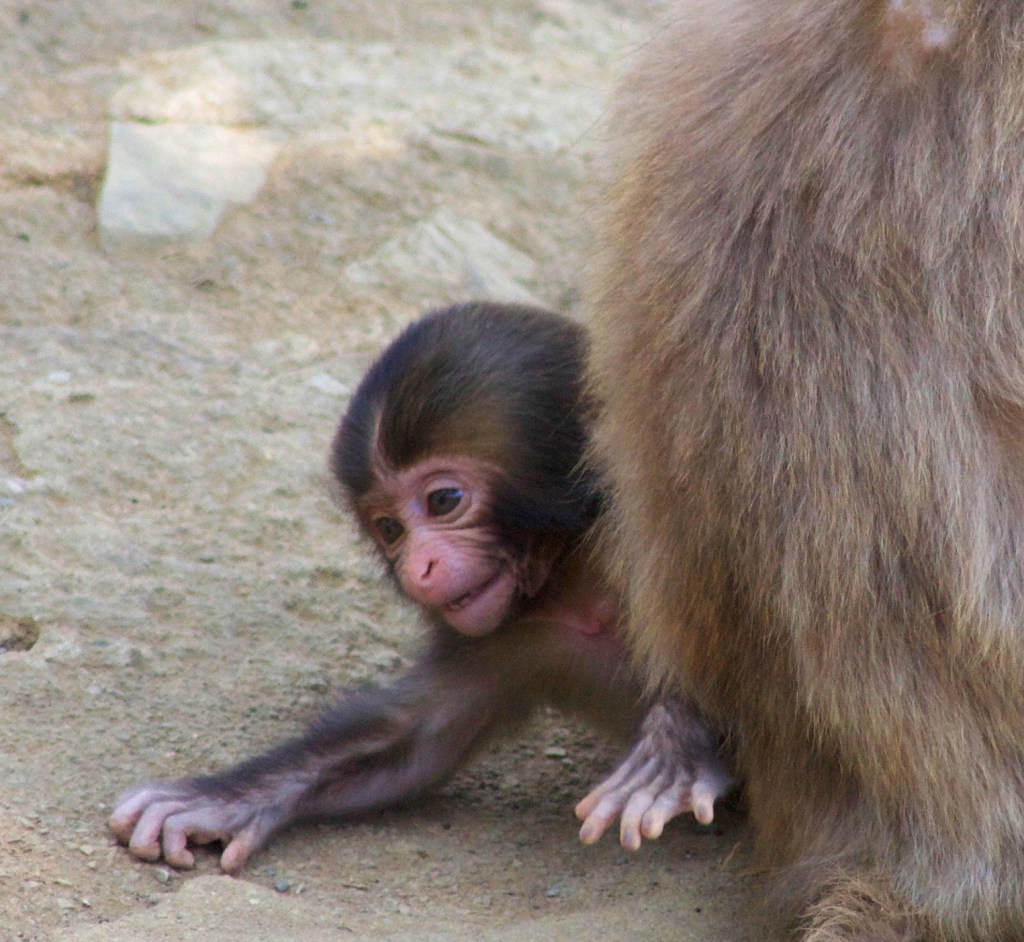
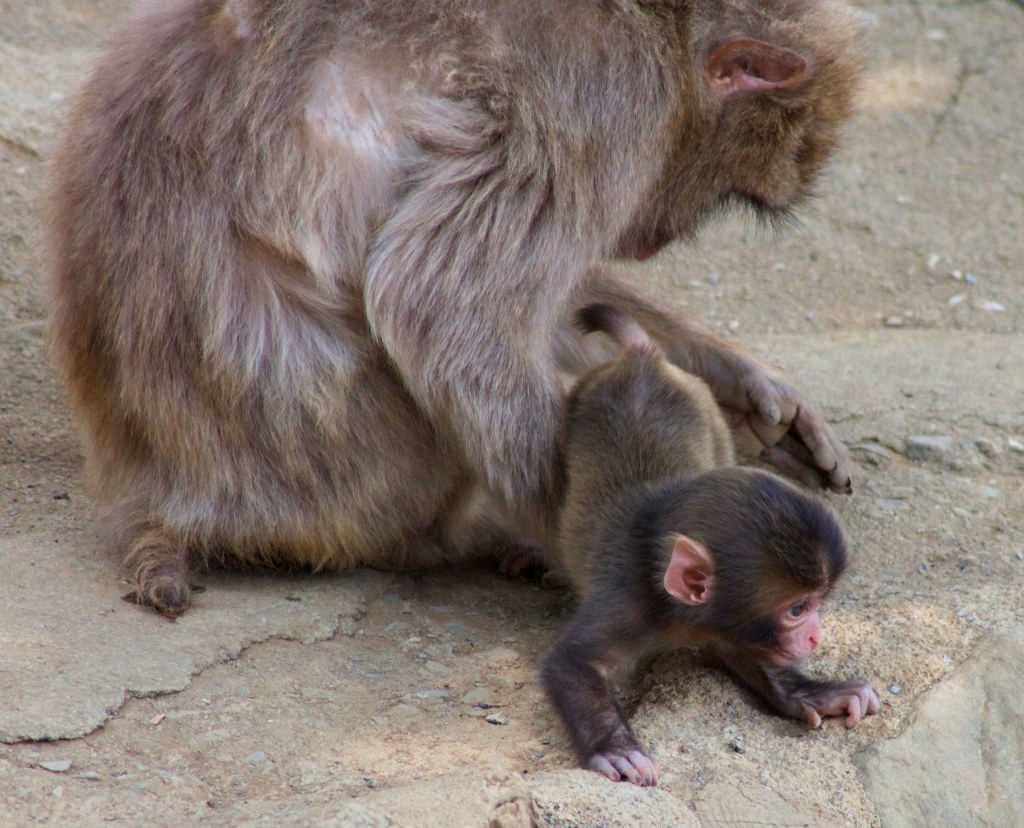
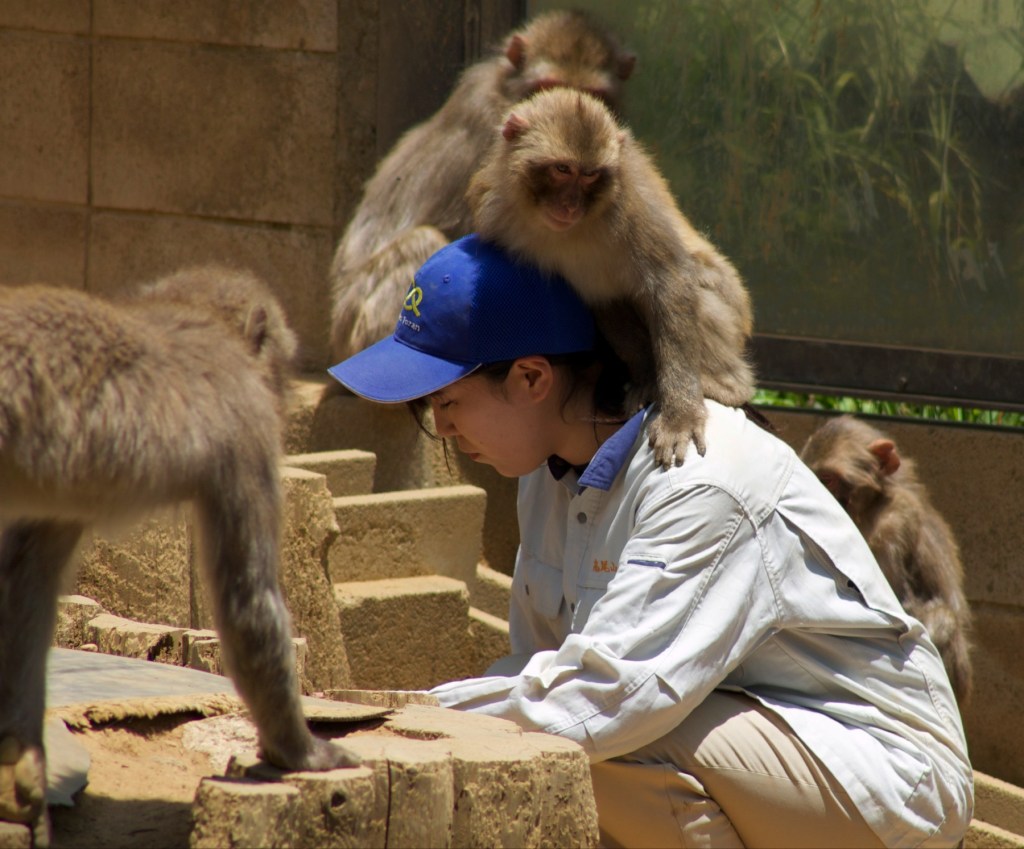
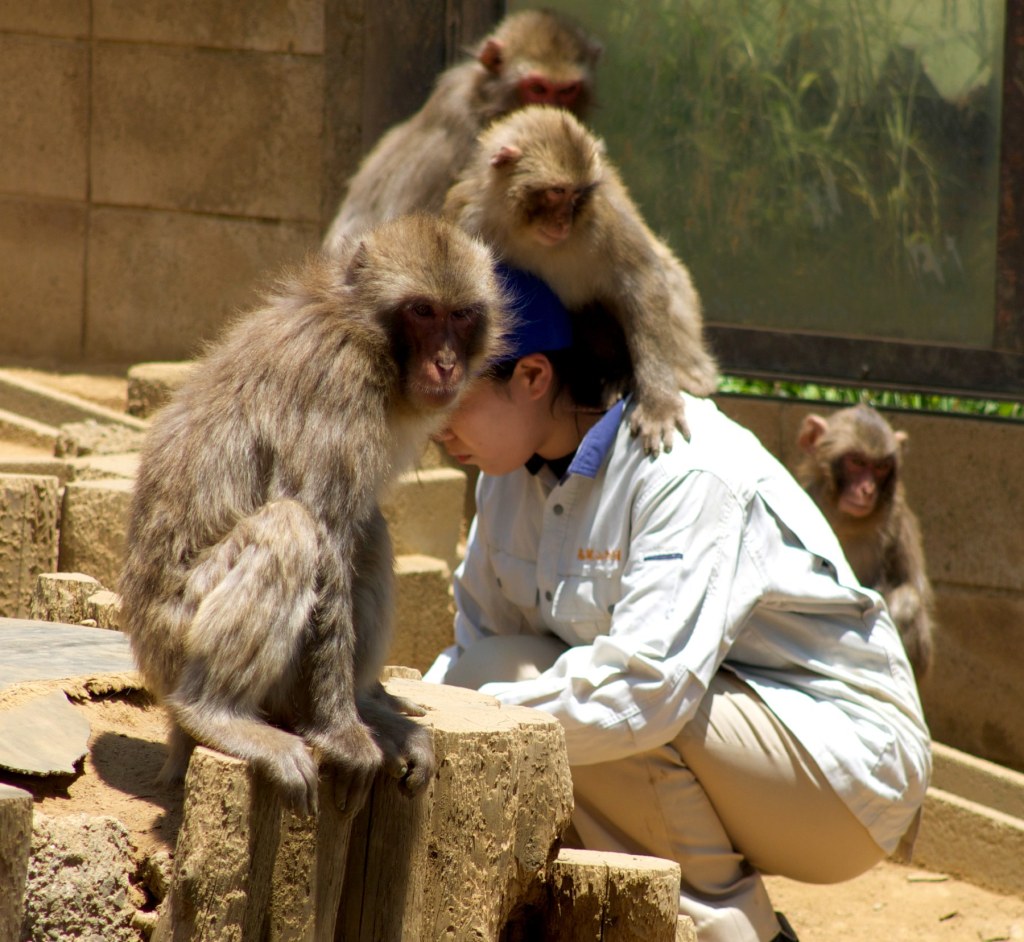
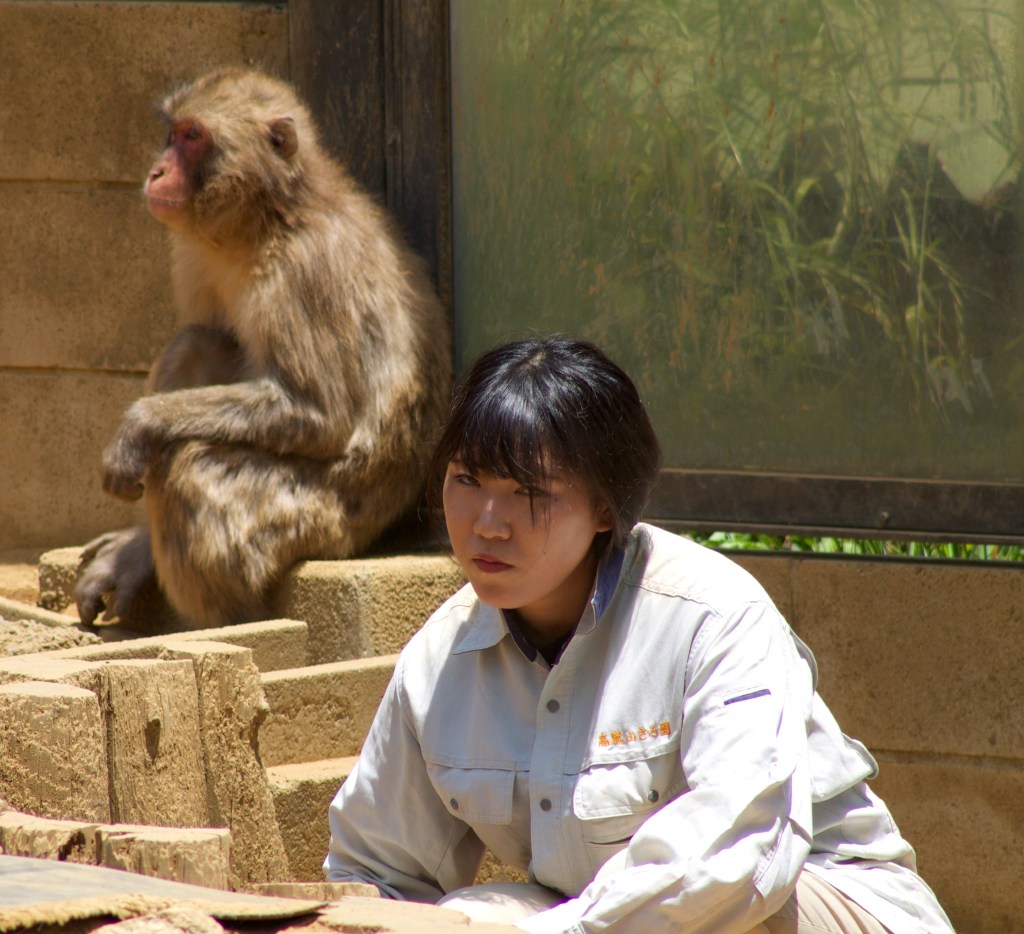
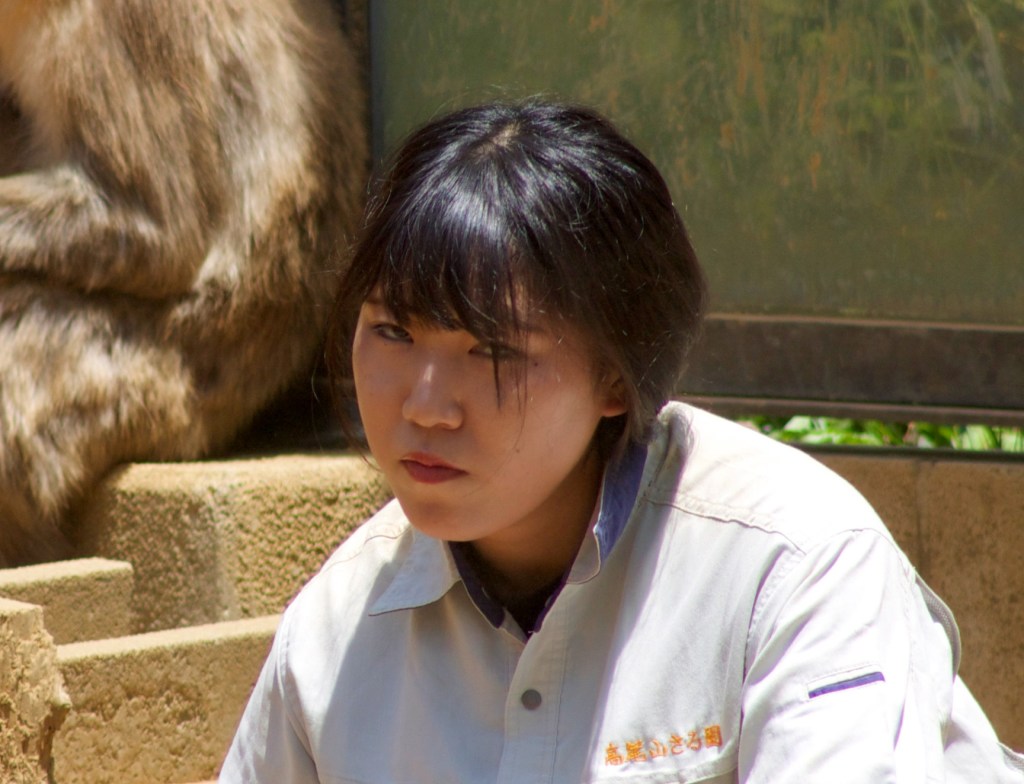
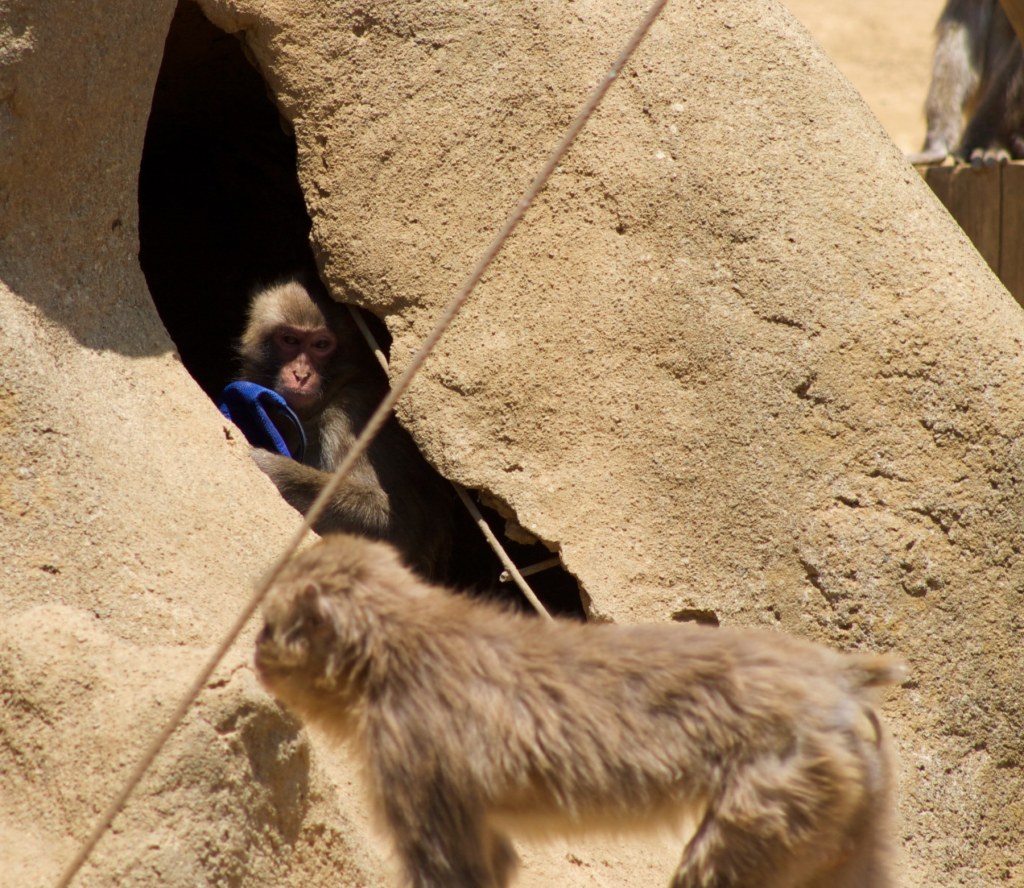
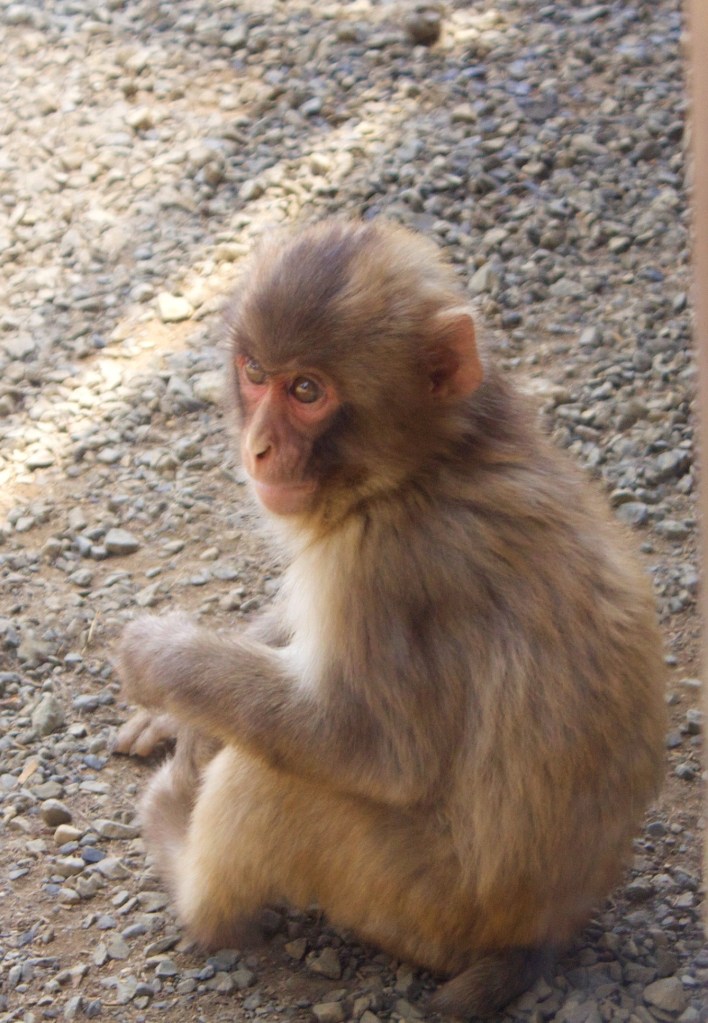
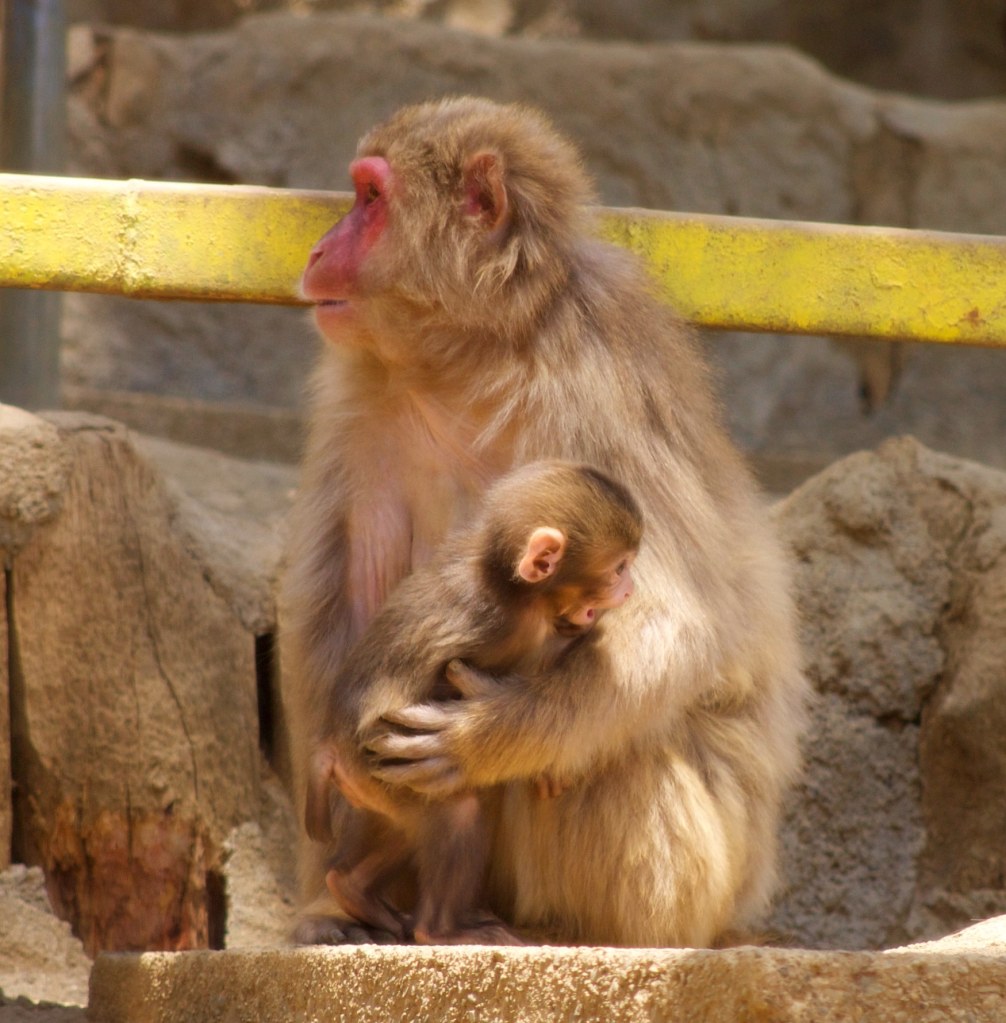
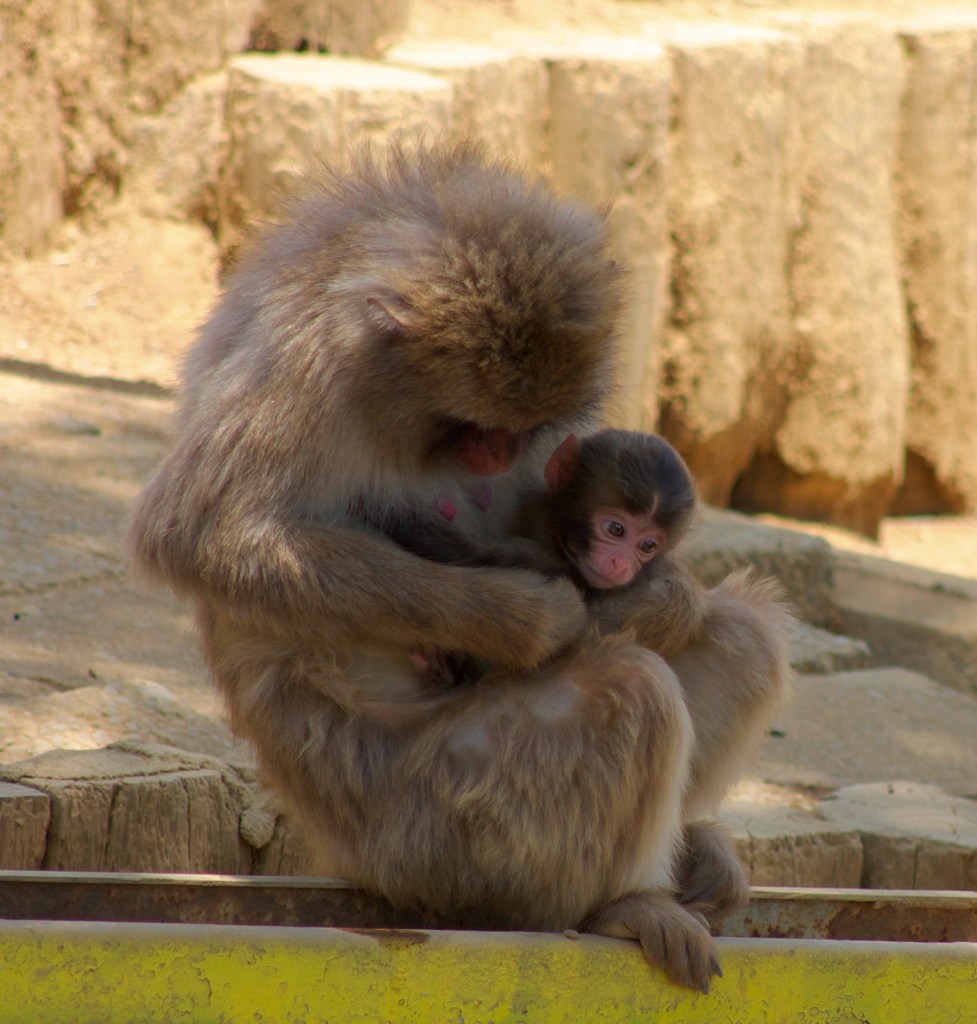
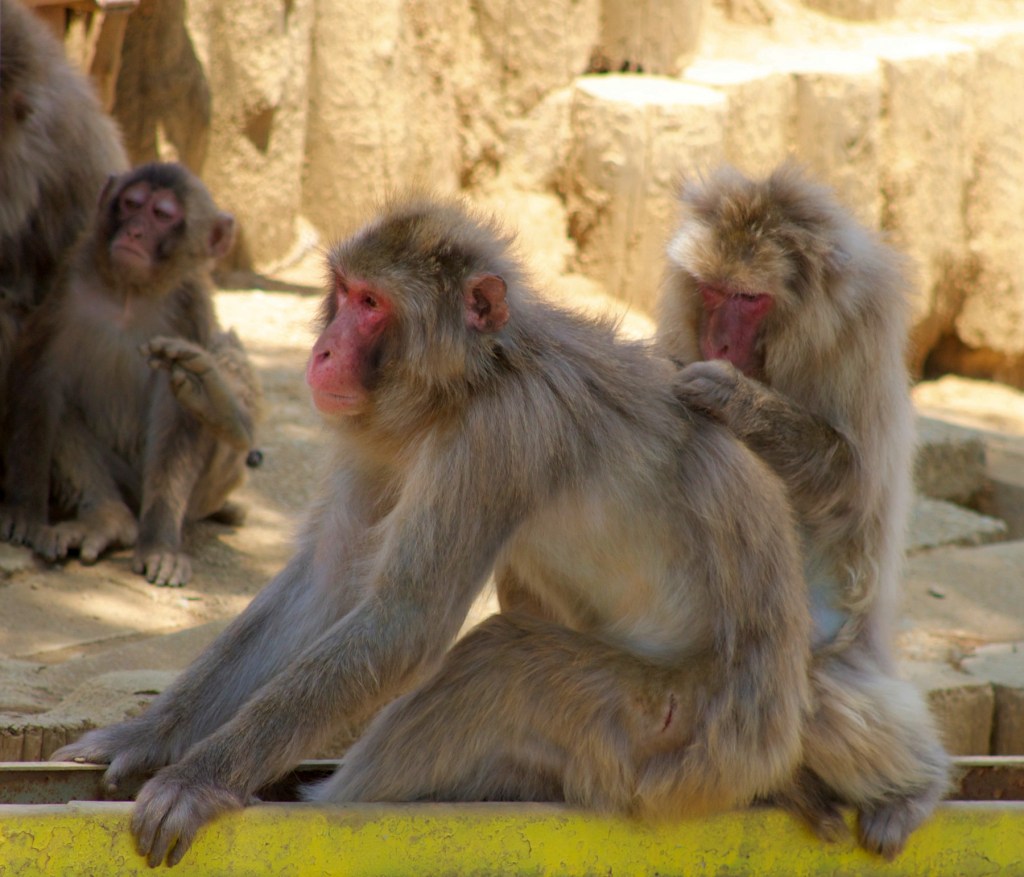
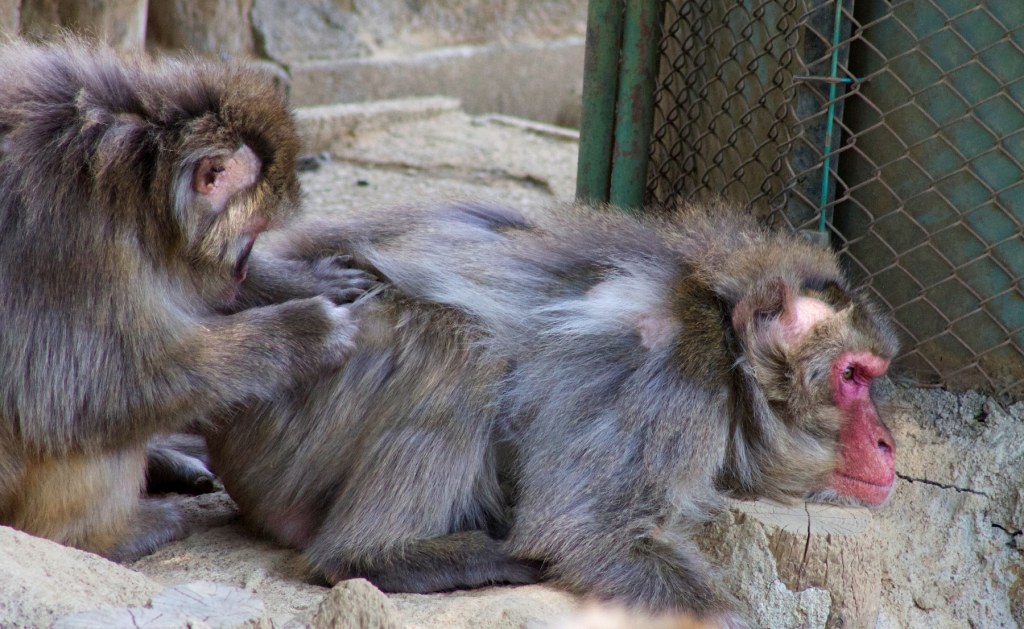
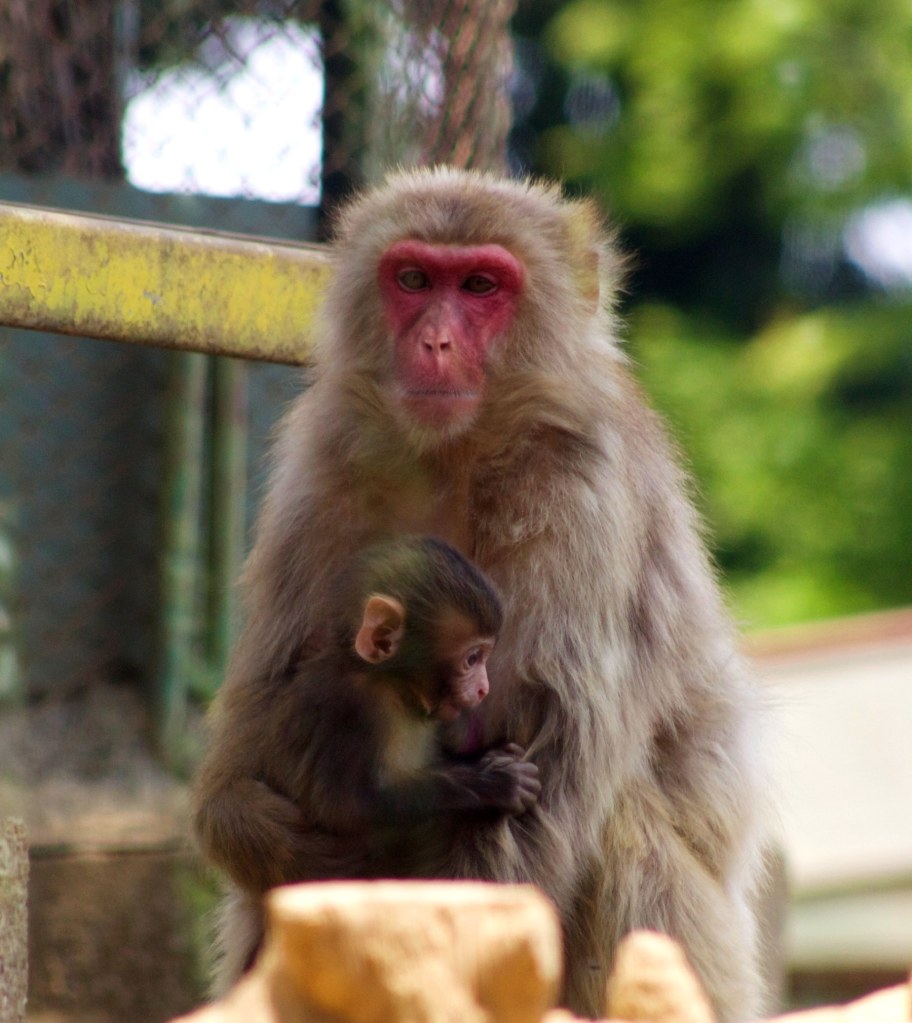
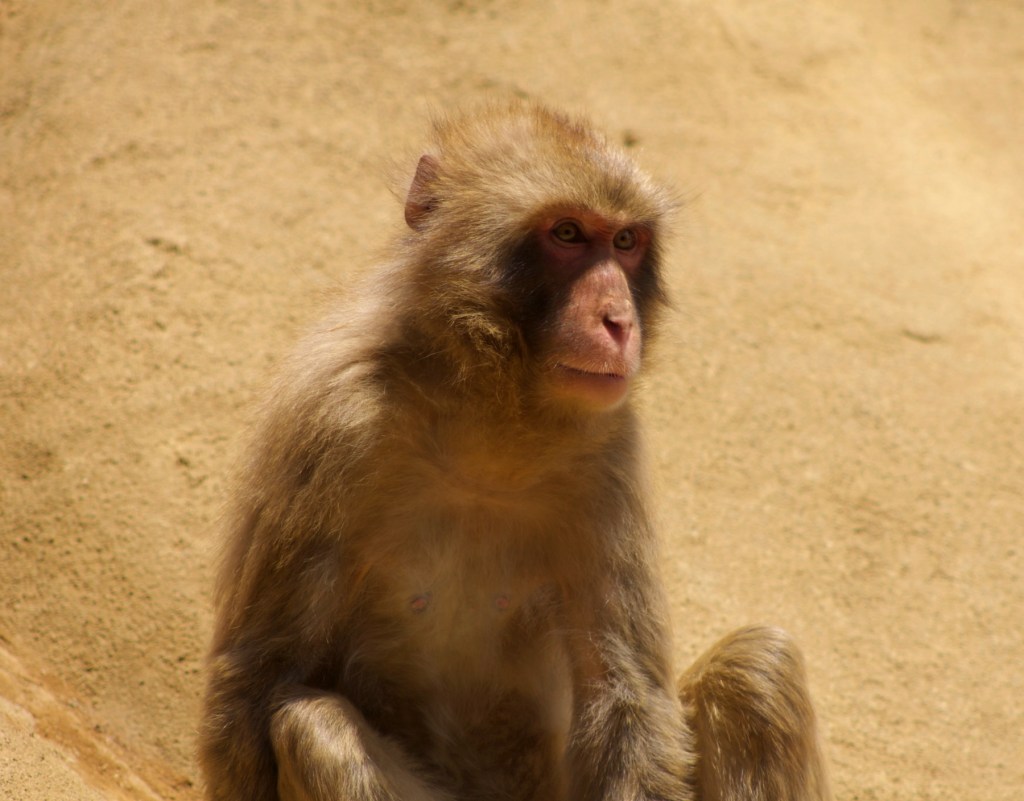
Welcome to Mount Takao! So you want to see snow monkeys?“The milk bar’s open!” Snow monkeys, aka Japanese macaques, are extremely attentive mothers. This baby is is about 8 to 10 weeks old and completely dependent on mom.“I’ve had my fill of milk, now it’s time to explore!”“But mom won’t let me go far! I’m too young to go off on my own, and mom is really protective of me.”“If I could…just…get away…for a sec!”“Come on, mom! Let me play!”A keeper at the Mt. Takao monkey enclosure. She has a hat…but not for long. Note the mischievous monkey on her shoulders, who’s waiting for just the right moment to grab her hat and run.The monkey on the left is like: “Oh crap, here it comes!”The keeper is staring daggers directly at me. There was a small crowd at the Mt. Takao snow monkey exhibit that day, and while the Hat Incident delighted the onlookers, the keeper was not amused when she saw me snapping away. I’m pretty sure she wanted to throttle me. Sorry!Yeah, she definitely hates me.Getting her hat back was not an easy task. The devious little monkey who made off with it immediately retreated into a small cave/shelter system big enough for the macaques, but too small for humans to enter. Making matters worse, there were at least four or five entrances and exits. Every time the keeper approached, the little monkey darted inside and popped up through a different hole, like a game of wack a mole. Eventually it took both keepers to retrieve the hat.“Oh, you know, just chillin’.”I was super close to this little lady. She was probably about two or three years old.Macaques live in troops of up to 300 members, and their societies are matrilinear, meaning an individual monkey’s “rank” in the troop’s social hierarchy is determined by who their mother is.
Macaque troops are headed by alphas who are the strongest males and deal directly with protecting troop members, but the matriarch runs most aspects of troop life.
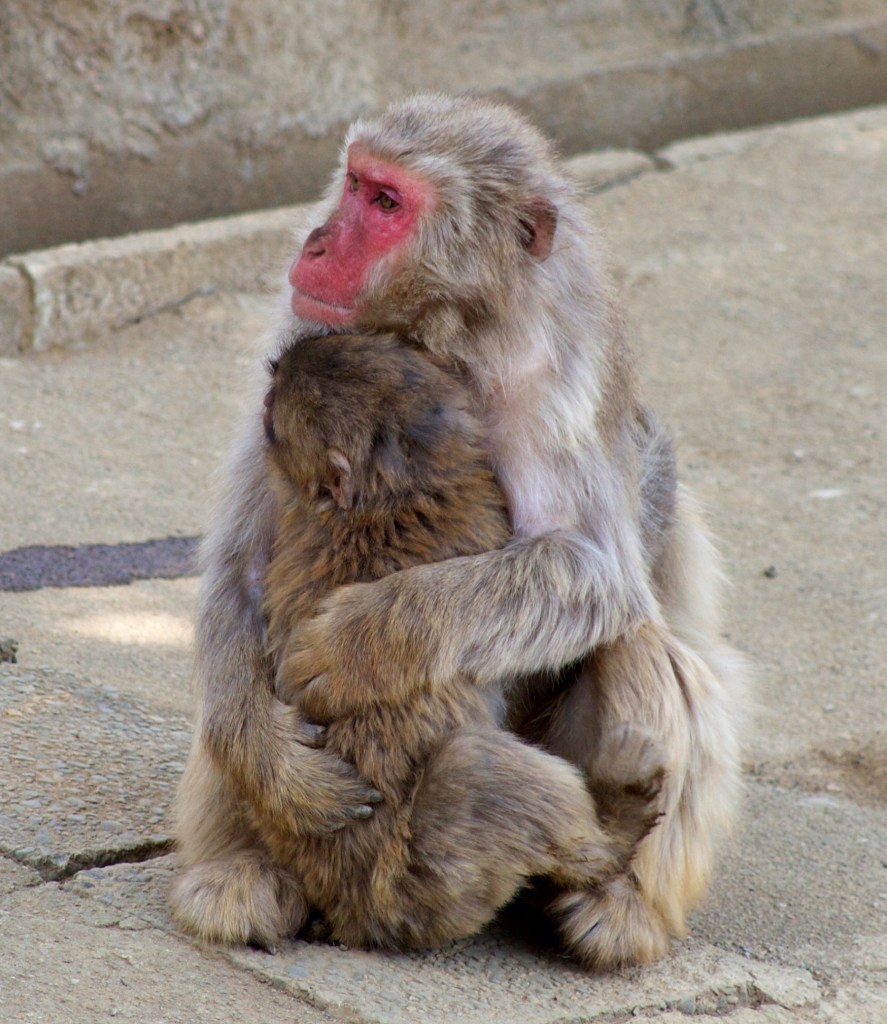
Here, a snow monkey mom hugs her child. The bond between moms and their kids is strong. Daughters stay with their mothers and their troops for life, while sons remain in the troop until they’re about five years old, at which time they depart to avoid inbreeding. They often go on to live as bachelors in small groups before joining or starting their own troops.This baby is geckering. A gecker is a “loud, pulsed vocalization” usually described as a “broken, staccato noise.” People often think of it as a baby macaque throwing a temper tantrum, but it’s more than that, and it’s involuntary, meaning the babies can’t control it. In plain English, it’s a noise, accompanied by spasms and made by babies and young macaques when they’re particularly upset. Babies usually gecker when they’re separated from their mothers, being bullied by older monkeys, or in situations when they want to nurse but their moms won’t let them. Another mom with a young nursing baby. This baby is a bit older than the one above, probably about three months old.The first baby again. Notice how mom is grooming the baby. Grooming is an important aspect of macaque social relations, in addition to serving the practical function of clearing insects and other debris from fur.More social grooming. The monkey on the right is attentively picking insects from the fur of the monkey on the left.He’s big, he’s old, he’s battle-scarred. He’s the alpha, and he always gets groomed first, whenever he wants. He also eats first, enjoys the best lounging spots, and gets to mate with his choice of females. In the wild, alphas don’t retain their thrones long, often being deposed within a year or two. Extraordinary alphas who keep their troops in good stead and enjoy an aura of invincibility can last a decade or longer.Babies nurse for as many as two years and spend almost the entire first year of their lives holding onto their moms. That’s one reason why the practice of buying baby monkeys — or any monkeys — as pets is incredibly cruel, and it’s why pet monkeys are always seen clinging to stuffed animals. They’re taken from their mothers within hours or days, and they need the tactile comfort of holding onto — and being held by — their mothers.
Harry Harlowe’s infamous experiments in the 1960s proved that the physical comfort of being held is crucial to the psychological development of all primates, humans included. If a baby is denied that, the consequences manifest as severe psychological issues later in life.A male member of the troop. It’s not clear if this guy was brought in from another captive troop elsewhere in the country, or if he’s native to the Mt. Takao troop. If it’s the latter, at his age — about four or five years old, give or take — he’ll be expected to soon depart. Young males leave their troops to avoid inbreeding and potential violence as they become stronger and are viewed as potential rivals to the alpha and/or his lieutenants.
Genetics, gene-editing and cloning have rapidly matured since the days of Dolly the Sheep, which means we have less time than we think to grapple with some heady moral questions.
Should scientists resurrect long-extinct species? Is it ethical to clone thousands of animals who will not live, but have their organs harvested for human patients?
Those are some of the questions people are asking as the cloning industry — once relegated to producing one-off copies and genetically identical versions of deceased pets for wealthy clients — is expanding with new capabilities.
This story by the BBC’s David Cox provides an informative, brief history of cloning before pivoting to the current state of the industry and how it could continue to evolve.
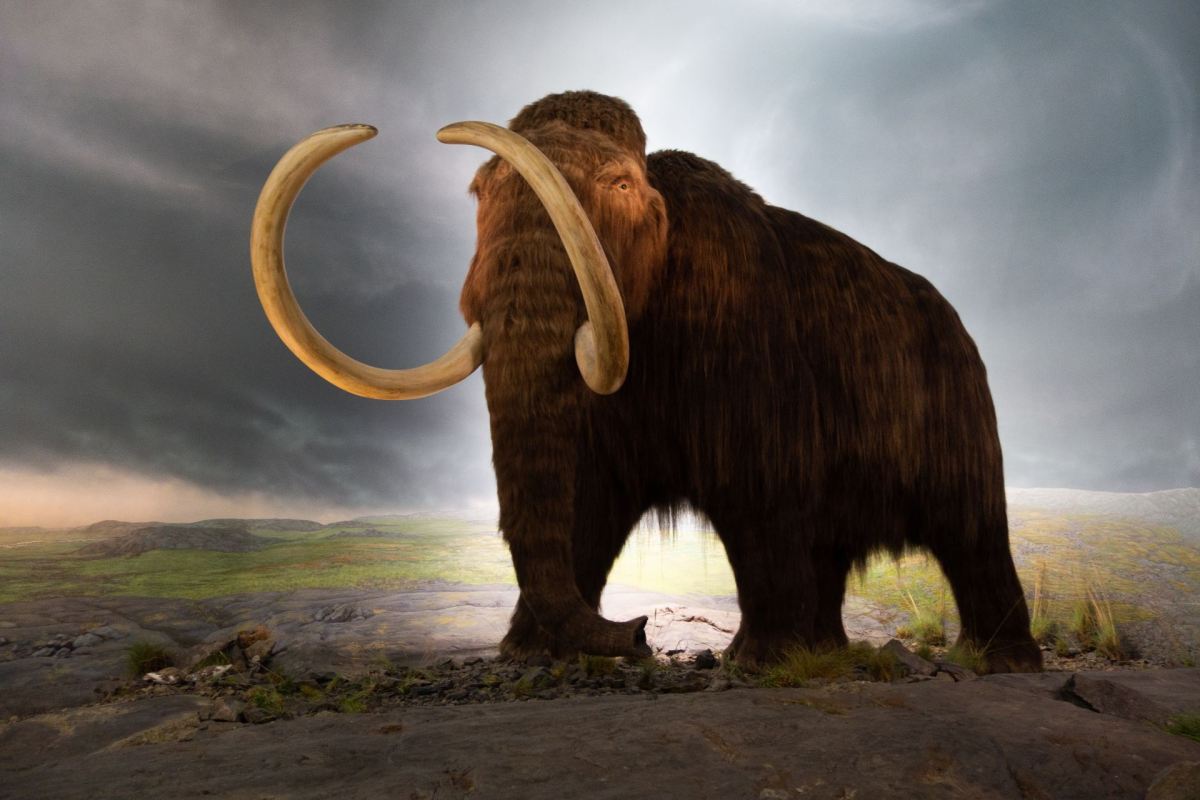
Two of the most fascinating prospects have to do with conservation. One company, Colossal, is working on bringing back the extinct woolly mammoth, while other scientists are turning to cloning as a way to prevent the extinctions of species like the white rhino, which is functionally extinct without any breeding pairs left living.
Scottish scientists shocked the world when they cloned Dolly the Sheep in 1996.
As with anything in science, innovations in cloning unlock new applicative branches, and scientists have partnered with the medical field to address human health concerns. Some, like the practice of editing genes to prevent diseases in newborns, tend to fly under the radar. But others, like the push to adapt organs from animals like pigs so they can be replacements for human organs, are much more controversial and have met opposition from animal welfare groups.
Then there’s the elephant in the room, no pun intended. What about cloning humans?
Right now no one’s gone down that route, at least not publicly, because of the inevitable backlash. What’s happening deep in the bowels of clandestine medical facilities in nations with murky ethics laws is another question entirely.
I am opposed to human cloning, but I don’t believe it will remain the immutable taboo some people think it is. Someone will break the dam, and while that pioneer will likely get raked over the coals, the bell cannot be unrung. Things change so fast these days that what’s shocking one day merits a shrug the next, and it’s possible the world will be introduced to a man or woman one day before it’s revealed the person is, in fact, a clone. (Not unlike the way the world was introduced to Imma, a Japanese influencer and model who exists only digitally.)
Imma has more than 400,000 Instagram followers, she models the latest fashions and she appears in adverts for products like beverages and watches, but she doesn’t exist. She’s a digital creation.
They’ll be the Dolly the Sheep of the human race, and ethicists won’t get a say in whether they should exist because it’s already been done.
“See how normal they are?” people keen on cloning will say. “They’re just regular people. Are you going to tell them they shouldn’t live?”
But before that, it looks like the movie Gattaca will become reality, and people will order up a great baseball player or a child with intuitive musical genius just like they might commission a piece of art or a custom car job. Gene editing with CRISPR is surprisingly trivial.
Of course, it won’t be lost on people that we’re cloning humans when there are millions of unwanted, uncared-for street kids in the third world, not to mention people who live without the consideration of their fellow human beings in every nation. Just like it hasn’t escaped the notice of activists that South Korea and China are leaders in cloning pets, yet dogs and cats are also food in those countries.
What separates the dogs and cats bound for restaurant kitchens from the dogs and cats having their cells preserved for cloning?
Nothing except for their individual value to humans, just like pure luck separates a cat who finds a loving home from a cat who ends up euthanized with a needle. We are a fickle species.
Yet both the beloved pet and the unwanted shelter cat are sentient, experience intense emotions and have their own thoughts. That’s not conjecture, it’s fact as confirmed many times over experimentally, but it shocks a lot of people. Our education system has not done right by the billions of non-human minds we share our planet with.
These rhesus macaque infants were cloned in a lab in China. The remaining barriers to human cloning are ethical, not technological.
I’ve thought about what might have happened if Buddy had been adopted by someone else, and what his fate may have been. I love the little guy, but it’s possible that someone else may have viewed him as an annoyance, a loud and incessantly chatty cat who needs an inordinate amount of attention and affection, sometimes lashes out, and needs to be surrendered.
Likewise, unwanted cats have languished in shelters for months before viral posts spark interest in them, and suddenly offers to adopt come in by the hundreds from across the globe. Nothing about those cats changed, but humans formed an emotional attachment to them after learning their stories.
Of course, the ethics of how we treat and consider animals can change depending on where you’re sitting. If you’re young, healthy and energetic, your view may be radically different than the person sitting on an organ donation waiting list, knowing their time may be up before a new liver or kidney becomes available. Suddenly a seemingly simple moral calculus becomes murky and complex.
There’s strong evidence that people who take the first steps toward cloning their beloved cats and dogs spend time wrestling with the ethics of the decision as well. Texas-based ViaGen, the western leader in commercial cloning, told the BBC that 90 percent of its clients are not people who have gone through with cloning, but have only taken the initial step of preserving their pets’ cells for $1,600.
And what of the mammoths? Bringing them back from extinction isn’t as simple as filling in the gaps in their genome, implanting gene-edited eggs in female elephants and hoping gestation takes care of the rest. Mammoths are social animals. Will an elephant mother raise a mammoth baby? Where does that mammoth baby belong? Without a herd of its own kind, can it be happy?
We can’t ask the mammoths, and even if we could, it might not be up to them anyway. As one paleogeneticist put it to NPR last year: What if the technology isn’t used to resurrect the mammoth, but to save the elephant? Does the end justify the means in the latter situation, but not the former?
Mammoth, Dolly the Sheep and rhesus macaque images credit Wikimedia Commons



 Pain In The Bud