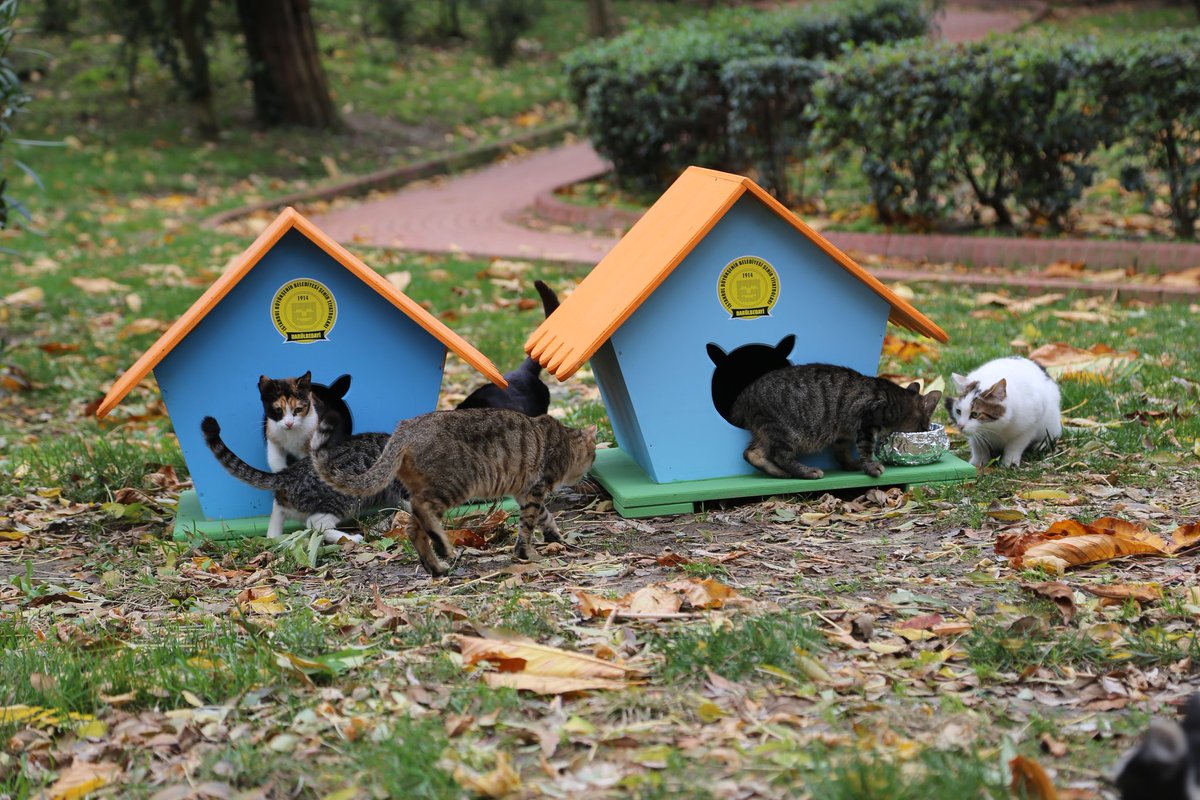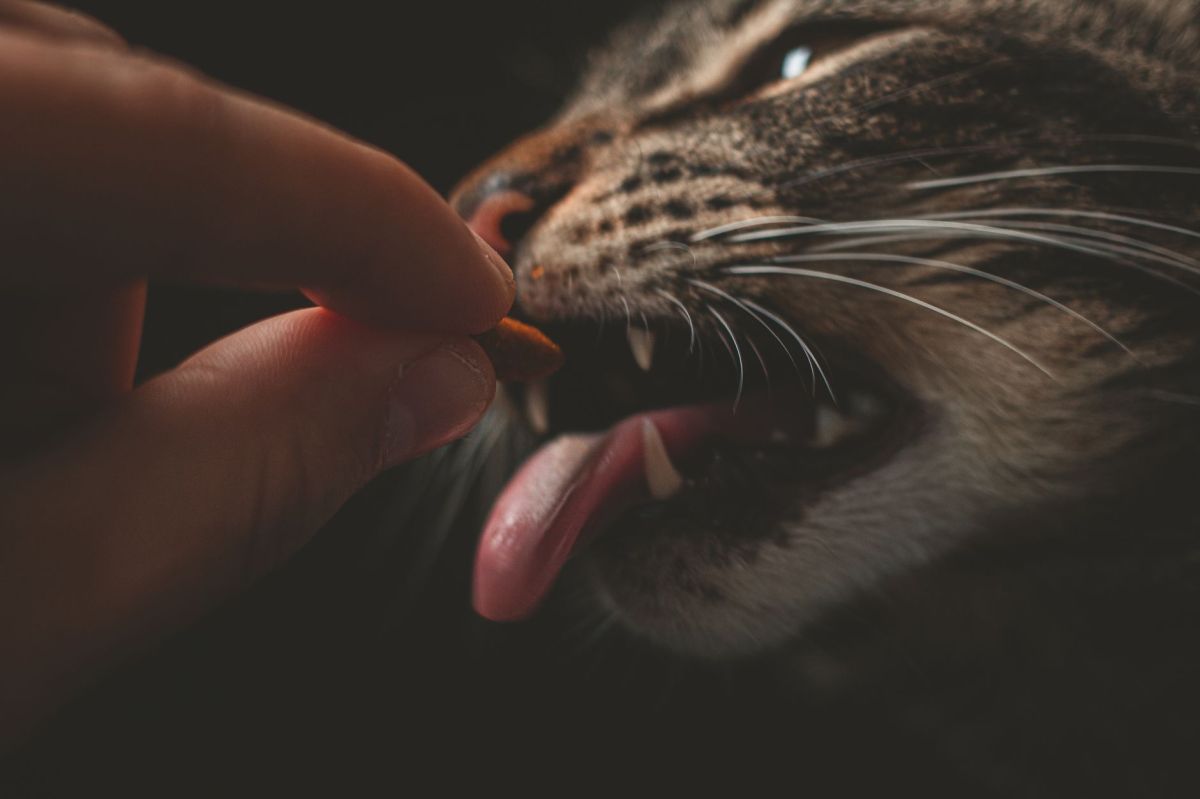
Your neighbors probably aren’t giving your cats flowers or serenading them with Marvin Gaye songs, and hopefully they’re not giving them chocolates, but they may be cat seducers anyway.
The term dates back at least a few years and it describes neighbors who lure pet cats into their homes, ply them with food, even buy them beds and collars, all in an attempt to gain effective “ownership” of the felines in question without having to worry about vet bills or declare to landlords that they have a cat.
Reports of cat seduction are rife with anecdotes about seducers ignoring polite requests from the owners not to feed their cats and even questioning whether the original caretaker is meeting their needs. Some distressed people report their cats are gone for days at a time and rarely return home as the seducers ignore healthy feeding limits and do everything they can to keep the felines in their homes.
Naturally, cat seduction is primarily a problem in the UK. While the culture around feline companions is changing across the Atlantic as people opt for measures like catios and harness training, the majority of British caretakers still believe their little buddies need outdoor time to remain stimulated and happy.
As readers of PITB know, Buddy is an indoor-only cat, and definitely not because he’s frightened of going outside. The problem is, he’s so meowscular, ripped and yuge that neighbors who might spot him crossing a yard at night or padding powerfully down the sidewalk are likely to freak out and call authorities to report a large cat, possibly a jaguar or tiger, is loose in the neighborhood.
So obviously I have to keep him inside not for his safety, but for the safety and sanity of our neighbors. We’re considerate like that here at Casa de Buddy.
A woman named Amy told The Guardian her cat was gone so often, she put a tracker on his collar to find out where he was spending his time. That’s when she realized he was in a neighbor’s house “constantly.” The neighbor, who says she can’t adopt a cat of her own because she travels frequently, was not cooperative when Amy asked her to stop feeding her pal.
“Cats are cats – they have no concept of human boundaries,” Amy told the newspaper. “She’s literally enticing him away.”
Alison Ward, who also spoke to The Guardian, said her cat Scooby started coming home “reeking of marijuana” and well-fed “but quite deranged.”
Ward figured out Scooby was being enticed into the home of a group of roommates, all men in their 20s, who had renamed the little guy, purchased food bowls for him and even got him a collar.
“They said they thought he was their cat,” she said.
Online resources dedicated to cat seduction warn of telltale signs. If you’ve restricted your cat’s diet on a veterinarian’s instructions, for example, and the cat is not losing weight or even gaining it, that’s a clear sign the little one is a Six Dinner Sid, bouncing between home and at least one other neighbor’s house. Other signs include constantly “lost” collars, inexplicable grooming, disinterest in the cat’s usual food, and returning home with unfamiliar scents attached to them.
On a subreddit for UK users, several people shared anecdotes about cat seduction.
“My mum’s two cats started disappearing for a day or two here and there. She figured they were shacking up at a neighbours house occasionally which didn’t bother her too much,” a user wrote. “Then one day they both just completely disappeared. Months later she found out who it was that had been sheltering them during those missing periods, and they also happened to have moved away right around the time that the cats disappeared.”
Others worried about their affectionate and sociable cats, and there was a general consensus that social media, particularly posts and memes about the “cat distribution system,” can lead to people believing it’s okay “to take any friendly cat home with them because it ‘chose’ them.”
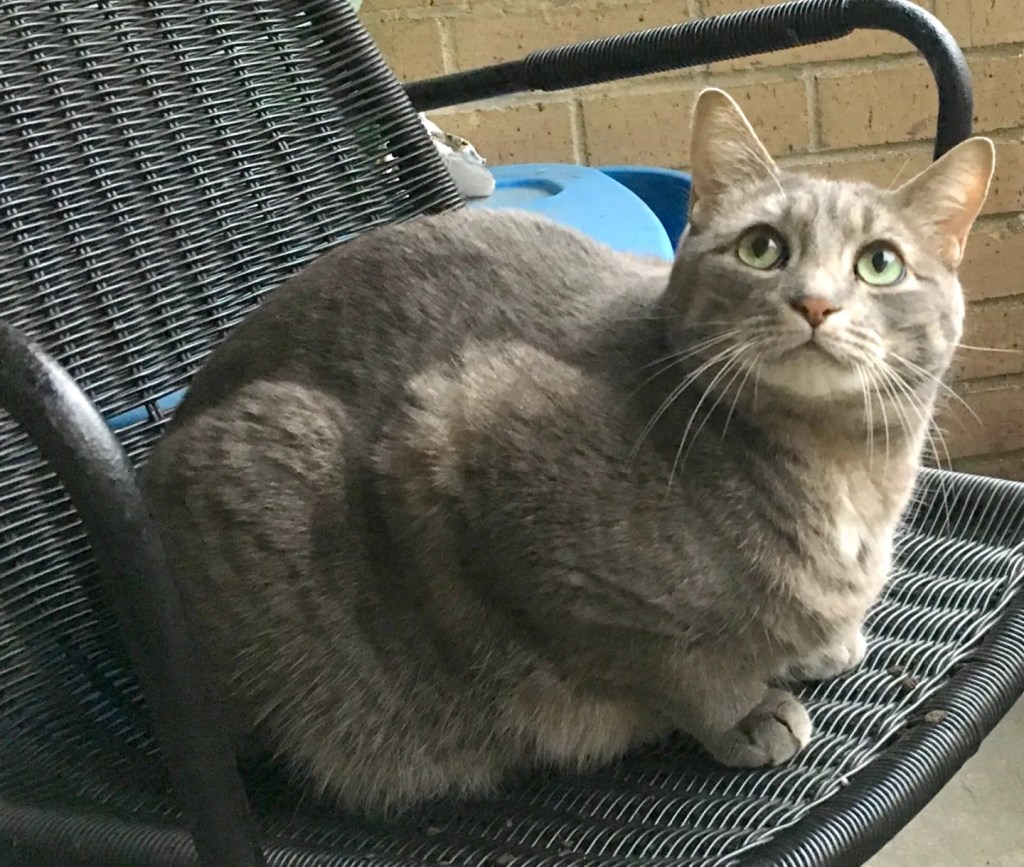
Of course there’s a simple solution: don’t allow your cat to roam outside unattended.
While some argued that people should keep their cats indoors to keep them safe from dangers like getting hit by cars, as well as to prevent them from killing birds, others rejected the idea. Some even blame US cat lovers for normalizing the practice of keeping cats indoors.
“Oh, you don’t agree with the American way of doing things, well you’re just wrong,” one user wrote. “They’ll rant about the dangers of coyotes etc to cats, while refusing to accept that’s not an issue here. Friends in the US were genuinely shocked when I explained that rabies was eliminated here a long time ago.”
Header image via Pexels