
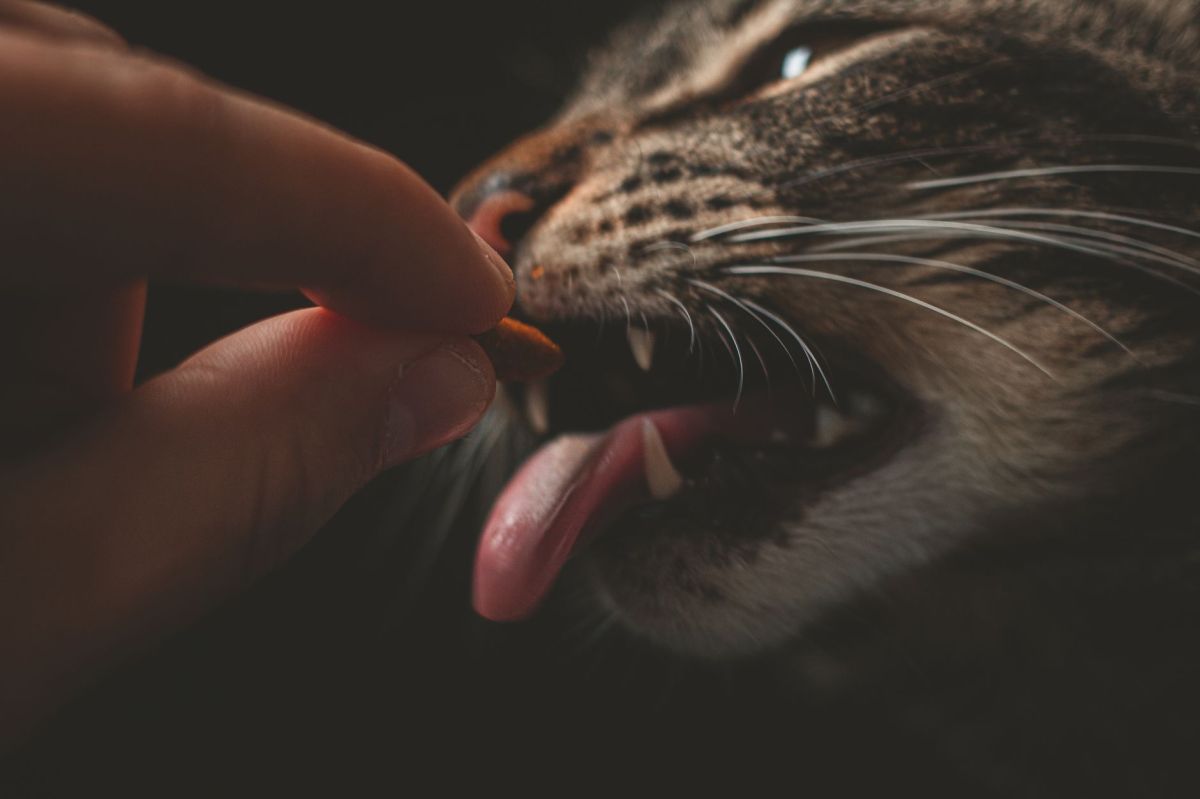
Your neighbors probably aren’t giving your cats flowers or serenading them with Marvin Gaye songs, and hopefully they’re not giving them chocolates, but they may be cat seducers anyway.
The term dates back at least a few years and it describes neighbors who lure pet cats into their homes, ply them with food, even buy them beds and collars, all in an attempt to gain effective “ownership” of the felines in question without having to worry about vet bills or declare to landlords that they have a cat.
Reports of cat seduction are rife with anecdotes about seducers ignoring polite requests from the owners not to feed their cats and even questioning whether the original caretaker is meeting their needs. Some distressed people report their cats are gone for days at a time and rarely return home as the seducers ignore healthy feeding limits and do everything they can to keep the felines in their homes.
Naturally, cat seduction is primarily a problem in the UK. While the culture around feline companions is changing across the Atlantic as people opt for measures like catios and harness training, the majority of British caretakers still believe their little buddies need outdoor time to remain stimulated and happy.
As readers of PITB know, Buddy is an indoor-only cat, and definitely not because he’s frightened of going outside. The problem is, he’s so meowscular, ripped and yuge that neighbors who might spot him crossing a yard at night or padding powerfully down the sidewalk are likely to freak out and call authorities to report a large cat, possibly a jaguar or tiger, is loose in the neighborhood.
So obviously I have to keep him inside not for his safety, but for the safety and sanity of our neighbors. We’re considerate like that here at Casa de Buddy.
A woman named Amy told The Guardian her cat was gone so often, she put a tracker on his collar to find out where he was spending his time. That’s when she realized he was in a neighbor’s house “constantly.” The neighbor, who says she can’t adopt a cat of her own because she travels frequently, was not cooperative when Amy asked her to stop feeding her pal.
“Cats are cats – they have no concept of human boundaries,” Amy told the newspaper. “She’s literally enticing him away.”
Alison Ward, who also spoke to The Guardian, said her cat Scooby started coming home “reeking of marijuana” and well-fed “but quite deranged.”
Ward figured out Scooby was being enticed into the home of a group of roommates, all men in their 20s, who had renamed the little guy, purchased food bowls for him and even got him a collar.
“They said they thought he was their cat,” she said.
Online resources dedicated to cat seduction warn of telltale signs. If you’ve restricted your cat’s diet on a veterinarian’s instructions, for example, and the cat is not losing weight or even gaining it, that’s a clear sign the little one is a Six Dinner Sid, bouncing between home and at least one other neighbor’s house. Other signs include constantly “lost” collars, inexplicable grooming, disinterest in the cat’s usual food, and returning home with unfamiliar scents attached to them.
On a subreddit for UK users, several people shared anecdotes about cat seduction.
“My mum’s two cats started disappearing for a day or two here and there. She figured they were shacking up at a neighbours house occasionally which didn’t bother her too much,” a user wrote. “Then one day they both just completely disappeared. Months later she found out who it was that had been sheltering them during those missing periods, and they also happened to have moved away right around the time that the cats disappeared.”
Others worried about their affectionate and sociable cats, and there was a general consensus that social media, particularly posts and memes about the “cat distribution system,” can lead to people believing it’s okay “to take any friendly cat home with them because it ‘chose’ them.”
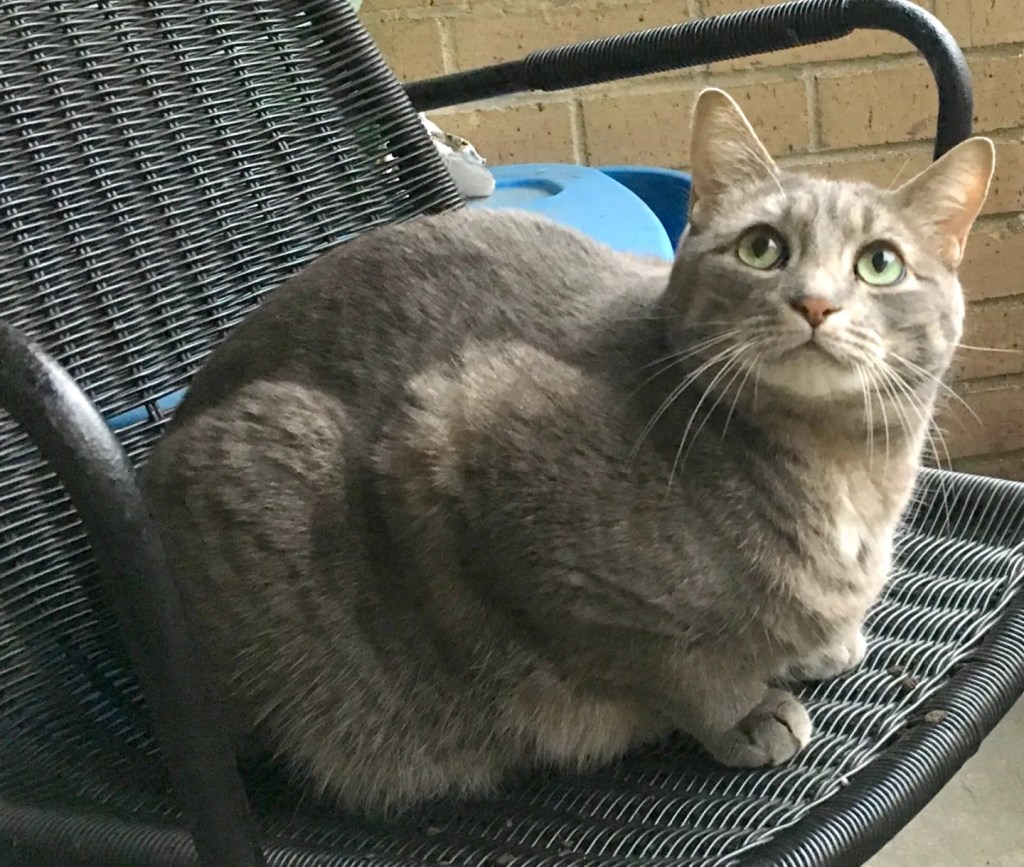
Of course there’s a simple solution: don’t allow your cat to roam outside unattended.
While some argued that people should keep their cats indoors to keep them safe from dangers like getting hit by cars, as well as to prevent them from killing birds, others rejected the idea. Some even blame US cat lovers for normalizing the practice of keeping cats indoors.
“Oh, you don’t agree with the American way of doing things, well you’re just wrong,” one user wrote. “They’ll rant about the dangers of coyotes etc to cats, while refusing to accept that’s not an issue here. Friends in the US were genuinely shocked when I explained that rabies was eliminated here a long time ago.”
Header image via Pexels


Bella can come and go as she pleases, Simba of Borg is a constant menace to her in our garden but they generally seemed to have avoided each other, she doesn’t go far and avoids other humans unless in the house- the furthest we have seen her is two doors away in the font garden. Bertie is definitely resident at Scott and Imogens at the end of our little road – we think Simba chased him off so he up and moved house, as he has his own wants app group we can see regular updates on him and he is 100% happy. He is still chipped to us but everyone contributes to any costs so he has a group of humans looking after him. I guess as we live in a quiet safe neighbourhood which is very cat friendly and all the neighbours know each other she is safe. However this has happened in the Uk regularly so it’s a global issue!
LikeLiked by 1 person
The Guardian could have used you as a source in their story to balance it. Sure, there are cat seducers, but your neighborhood is an example of people who are good neighbors keeping an eye on all the cats and working together.
Sorry to hear the Borg are still menacing the Neutral Zone. Cat Borg are more interesting than Star Trek lately, as Strange New Worlds has lapsed into a habit of ridiculous episodes. Two weeks ago the entire crew turned into Muppets, and this week everyone on the ship acted as if they were on a soap opera. Is space too boring for them?
LikeLike
Won’t happen if you keep your kitty indoors.
LikeLike
See the bottom of the story. Apparently some people in the UK view American influence as a problem prompting more people to keep their cats indoors.
LikeLike
Goodness , don’t tell our Sam that there are people who will feed him if he goes outside. He’s a firm believer
LikeLike
He’d become a regular Seven Dinner Sam! It rolls off the tongue.
LikeLike
He’d love to. But I’m mean, and he doesn’t get lots of extra. ;). MaryOn Sep 5, 2026,
LikeLike
Or maybe you’re looking out for your cat’s health and those of us who give in are being irresponsible. I’ve been told more than a few times that I’m a pushover and Bud has me wrapped around his paw.
LikeLike
Oh yes. But it is difficult. They look
LikeLike
Coyotes are VERY much an issue. Not due to rabies, but due to the fact that they do kill cats and kittens. I live in Cape May County, NJ, and there are unfortunately many coyotes here. If you leave your cat wandering around, especially at night, don’t be surprised if you never see the cat again,
LikeLike
That last quote was from someone in the UK saying they don’t have coyotes, which is true as they’re native to the Americas, but they are absolutely a threat here.
I live about 180 miles north of you and coyotes are a threat here as well. Another reason to keep our little buddies inside.
LikeLike
I’ve heard and seen coyotes in the woods here, and they’ve even been seen in town. In our experience even well-fed and well-loved cats will cultivate every possible food and affection resource when roaming. – According to Sarah Hartwell, a British cat expert who used to run “The Messybeast Cat Resource Archive”, in Britain neighborhoods are on low traffic roads far from busy traffic areas, so, safer for wandering cats.
LikeLike
All my dumb jokes aside, I would not be able to live with myself if I let Bud wander and he’s killed by a coyote.
As for the UK, I figure I’m not in a position to judge. John’s a good example of someone who makes it work with letting his cats outdoors in a safe neighborhood where he knows his neighbors.
LikeLiked by 1 person
Oh yeah, UK’s a bit different. And we did grow into the realization that we needed to keep them all inside when possible. A few of the ferals we TNRed and cared for just wouldn’t come in.
LikeLike
I have a long-term plan: I want to buy a house with a large yard and build an enclosure so my cats can roam around while still staying safe. I figure it will take me about five years, but I’ll definitely do it, even if it takes a while.
LikeLike
That’s a great plan and shows your dedication to your feline overlords! By enclosure do you mean you’re going to build something like a catio or enclosed the whole backyard?
I live in an apartment but thankfully it has a large balcony and Bud loves going out there for the fresh air, sounds and sights. We both have our own chairs out there for chillin’ in the nice weather.
LikeLike
I plan to build a wall around the entire yard. It has to be a fairly large plot of land, so I’ll have to look for it in a rural area. In areas considered rural, land is much cheaper. The only downside is the distance from the city, where most things are purchased and utility services are administered, but it’s not that far, about a 30-minute walk.
LikeLike
We think Sgt Stripes comparison shopped before we took him in
LikeLike
He’s a smart little dude. He found a home where he’s the only male cat and I’m sure he gets plenty of attention and treats.
LikeLiked by 1 person