Buddy’s in for a rude awakening. Do Temptations cause withdrawal?
The people who know us best instinctively know how to push our buttons. So naturally my brother knows one of the easiest ways to get me riled up is to tell me my cat is a porker.
“Buddy’s looking like he’s put on the pounds,” he’ll say casually. “How much are you feeding this cat?”
“Buddy is NOT fat!” I’ll reply indignantly. “It just looks that way because he’s meatloafing.”
“No, I’m pretty sure he’s just fat.”
Well now he may be right. Buddy isn’t exactly fat, but he’s on the wrong side of skinny and a few bags of Temptations away from being kinda chubby. Now is the time to nip this in the Bud and bring his weight back down before it, uh, balloons.
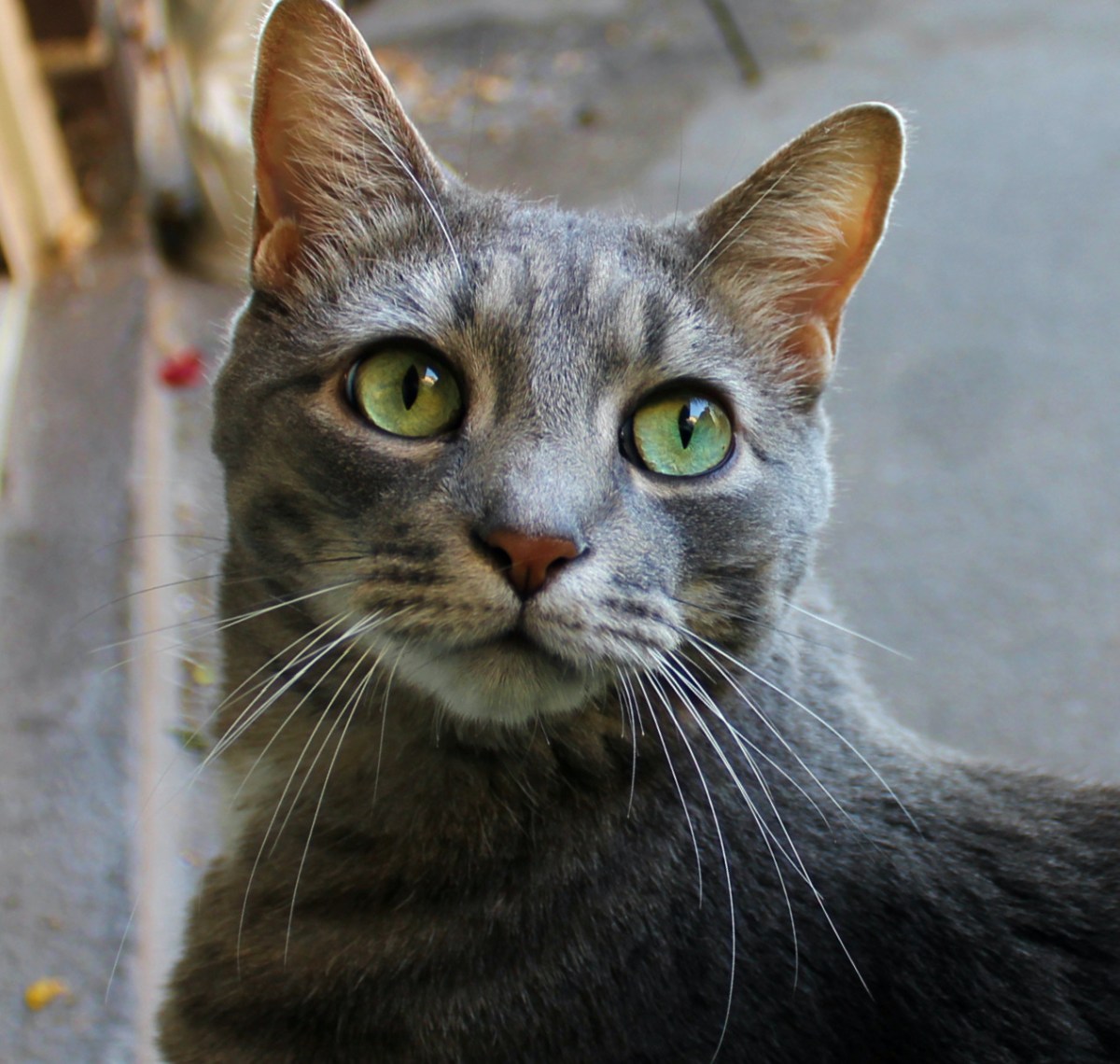
This is by far the fattest-looking photo of Buddy I could find. He’s in a super-meatloaf pose here, looking like a chonkmaster.
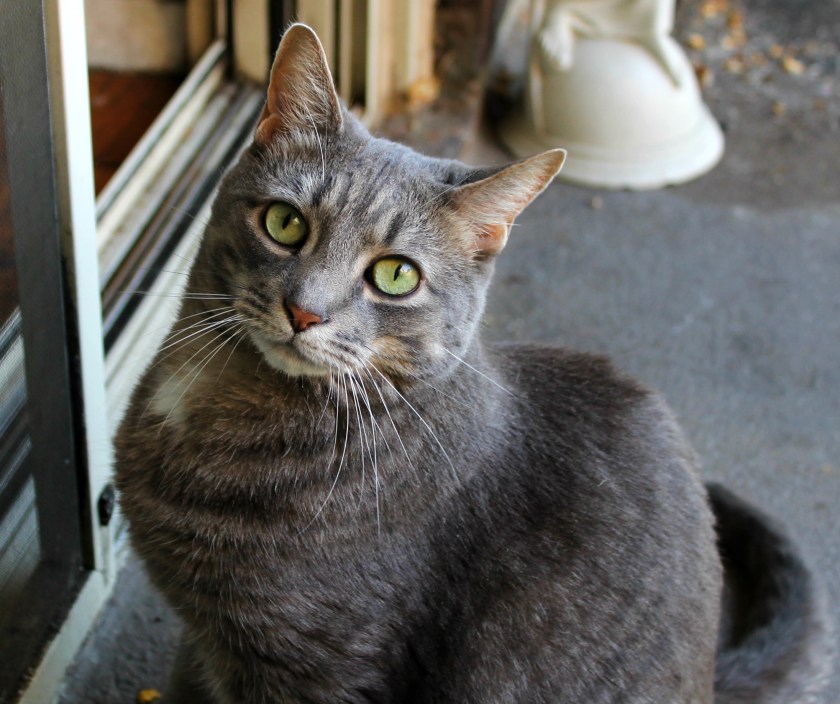
This photo was taken a few days later.
(Above: Buddy in super-chonk meatloaf pose, left, and Buddy in a photo taken a few days later. The way a cat sits or stands can dramatically change the way his or her body looks.)
The problem is, Buddy has mastered the art of the guilt trip.
When he’s legitimately hungry he isn’t shy about meowing for his meals, but what he does in between meals is much worse. When I head into the kitchen for a beverage or a snack, Buddy will pad right up to the doorway and stop, looking at me with his big, expectant eyes. His gaze will follow me as he sits there all hopeful.
And if I leave the kitchen without opening his treat cabinet, those big green eyes become accusatory, as if I’ve committed a profound betrayal of his trust by not giving him the ultra-processed kitty crack he loves.
It’s the complete silence that gets me. No meows, no complaints, just dead silence and those big eyes.
“That’s a tasty looking snack you’ve got there. Where’s Buddy’s treats? You thought of Buddy, right? You would never forget about me…”
Worse yet, he’ll park himself right next to me and watch me eat a bowl of cereal or a cookie, continuing the silent act. What kind of horrible Big Buddy gets a snack for himself but not his Little Buddy?
So yeah. It’s diet time.
Buddy doesn’t know the dreaded D-word. He’s about to learn. But his diet may be harder on me than it is on him.
The vaccine could have adverse impacts on cats and their immune systems.
Last month when news headlines trumpeted the successful testing of a cat allergy vaccine, we spun it as a victory for all cats: Finally, allergies would no longer be an excuse for humans to avoid cats, and kitties could conquer the remaining holdouts, those homes that still aren’t occupied by America’s favorite pet.
Cats will be everywhere! Huzzah!
We were wrong.
Reader Kamala Tirumalai is not only an animal lover, caretaker of a feisty guinea pig and all-around awesome person, she’s also an immunologist with a PhD in microbiology. In other words, this is her area of expertise.
So we asked Dr. Kamala about the vaccine — which would be administered to cats, not people — and she was kind enough to give it some thought and explain why she doesn’t think it’s a good idea.
How HypoCat works
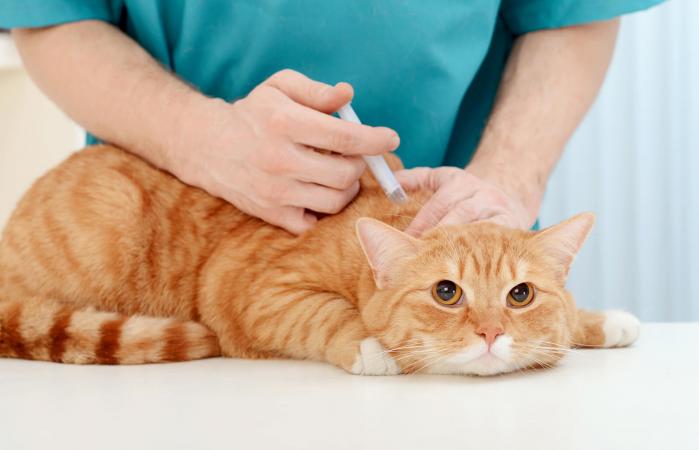
First, a refresher: HypoCat, a European company, created what it calls a “virus-like particle vaccine” “to induce neutralizing antibodies against Fel d 1, the major feline allergen in human subjects.” The vaccine was intended to “bind and neutralize the Fel d 1 allergen.”
In layman’s terms, the vaccine is designed to shut off the protein that triggers allergic reactions and symptoms like itchy skin, watery eyes and sneezing in humans. Contrary to what many people believe, the offending protein doesn’t come from cat hair, it’s produced in cat saliva and dander. But because cats are fastidious groomers, the allergen is passed from saliva to fur.
Vaccine administered to cats, not humans
HypoCat stops the protein, but there’s a catch: The vaccine is administered to cats, not humans, which means instead of inoculating people from the protein’s effects, it’s changing the way Fel d 1 operates in a cat’s system.
The problem, as Kamala points out, is that “Fel d 1’s function is still unknown.”
“Yet the fact that so many cat glands secrete it all the time implies it must have some function in and for cats,” she explained. “What if that’s a function important for their health? What’ll happen then to cats vaccinated against Fel d 1? That’s currently an unknown.”
By “neutralizing” Fel d 1 — in other words, making it non-functional — HypoCat could trigger an autoimmune response in cats not unlike human autoimmune diseases in which the body’s defensive systems turn on itself.
Tinkering with an unknown
In a paper published in the Journal of Allergy and Clinical Immunology, the Swiss-based company’s researchers acknowledge the unknowns surrounding Fel d 1’s function, noting while “some function in pheromone binding and pelt conditioning has been suggested, the biological function of Fel d 1 remains uncertain.”
More than 50 cats from labs in New York and Ireland were used in the study. The study’s authors say they split the subjects into different groups to analyze immunogenicity (whether the vaccine produced an immune response) and tolerability, but there is no long-term data on how HypoCat might affect house cats.
Then there’s the moral and ethical aspect. HypoCat makes a potentially dangerous alteration to cats for the convenience of humans.
“A vaccine given to cats to reduce their allergenicity for humans burdens them unnecessarily when human allergy to cats is primarily a human problem and should have a human solution in the form of reducing people’s cat allergies,” Kamala wrote. “Cats are perfect as they are. Why should they be the ones forced to change in order to be accommodated by a human whose immune system happens to have a problem with one of their proteins? This solution just doesn’t pass the moral smell test.”
Researching long-term impact on cats
In addition to moral qualms, there is very little data on how the vaccine will impact cats in the long term.
“Normal vaccines target pathogens to help our bodies make immune responses that stop them in their tracks,” Kamala wrote. “Obviously this one doesn’t do that. Instead it seeks to stimulate a cat’s immune system to target one of the cat’s own proteins. The worst unintended consequence could be flagrant autoimmunity in a cat vaccinated against Fed d 1.”
HypoCat could trigger a response not unlike human autoimmune diseases, in which the body’s natural defenses are turned on itself.
The only way to know for certain is to conscript additional cats for studies.
“This solution,” Kamala wrote, “passes neither the scientific nor the moral smell test.”
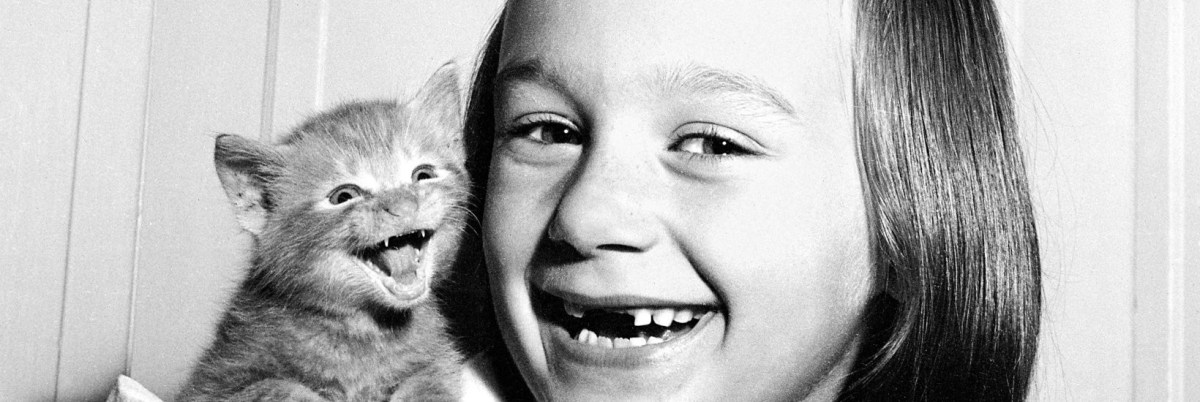
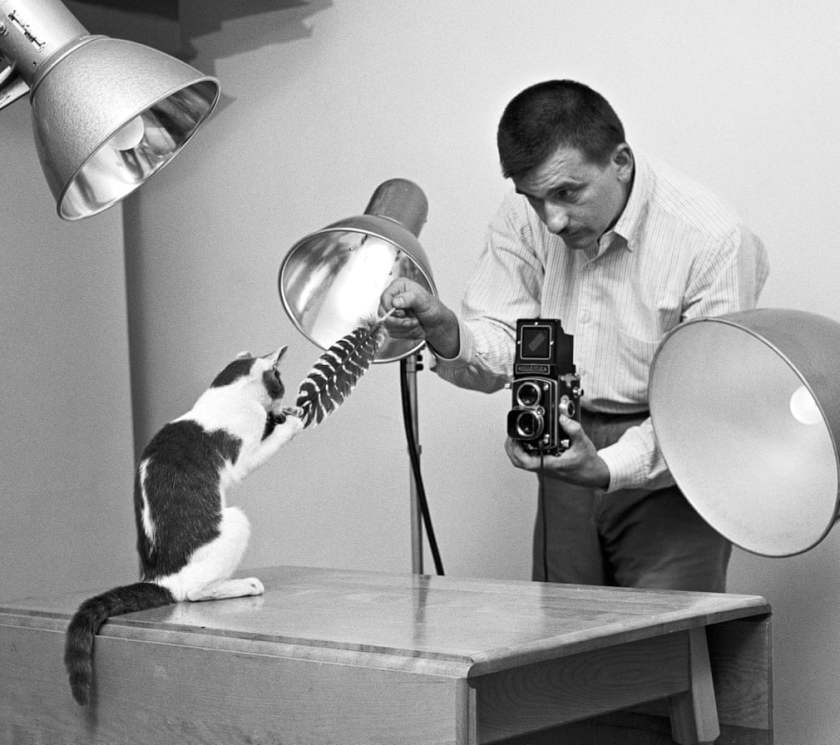
Walter Chandoha photographed cats for the better part of seven decades.
Walter Chandoha might not be a household name, but he’s a legend among photography enthusiasts and — most importantly for readers of this blog — a true OG of feline photography.
Chandoha, who took more than 90,000 photographs of photogenic kitties, passed away earlier this year at the ripe old age of 98. We don’t know the secrets to the photographer’s longevity, but it’s a good bet all that time spent with cute cats was a major contributor.
The New Jersey native and NYU graduate didn’t set out to become the most celebrated cat photographer. His work appeared on hundreds of magazine covers before the fluffy little carnivores pulled him into their world:
In 1949, Walter Chandoha adopted a stray kitten in New York. When he began taking pictures of his new pet, Loco, he was so inspired by the results that he started photographing kittens from a local shelter, thereby kickstarting an extraordinary career that would span seven decades
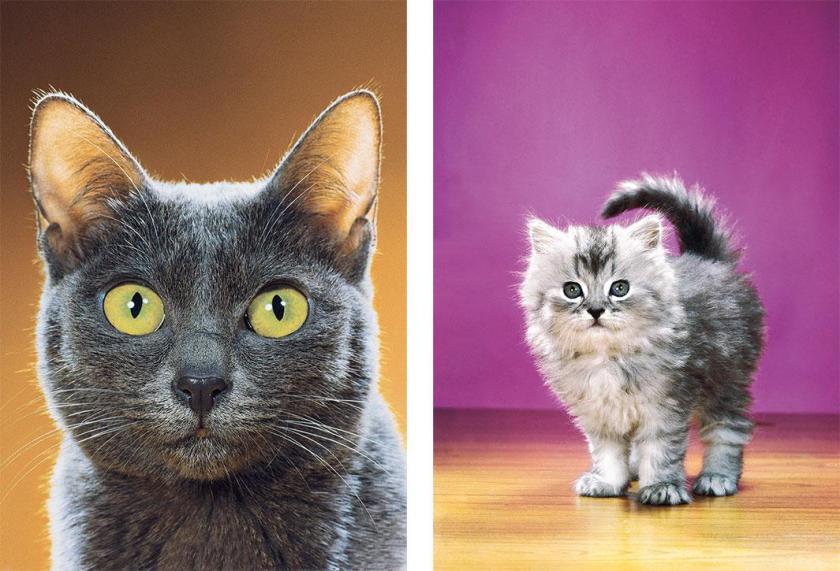
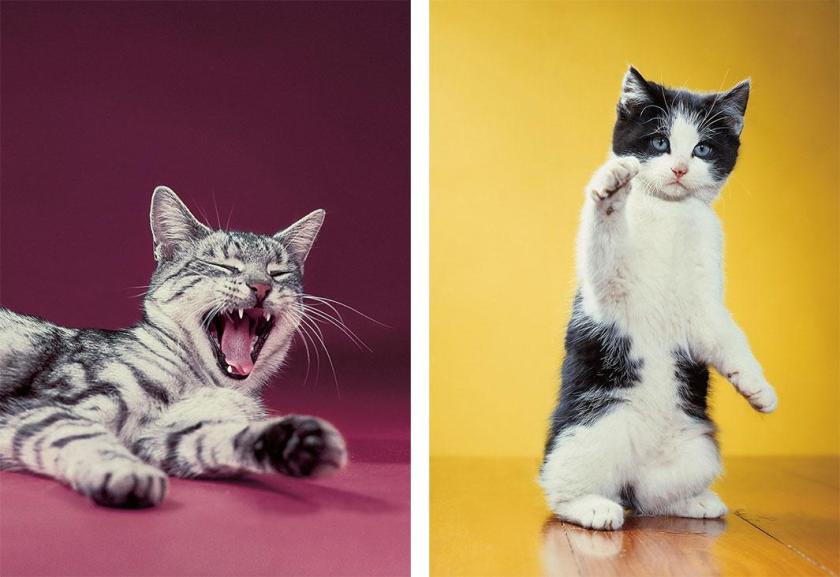
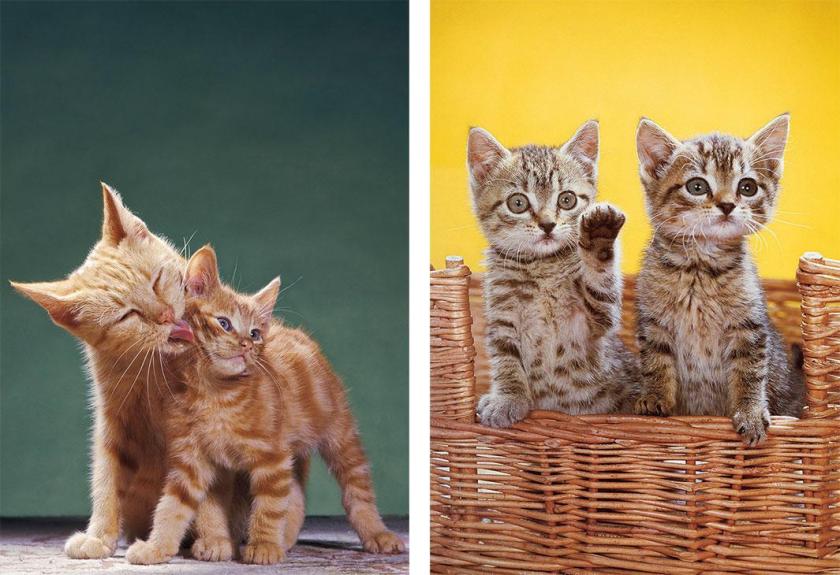
Now those photos are collected in a book called, appropriately, Cats: Photographs 1942-2018.
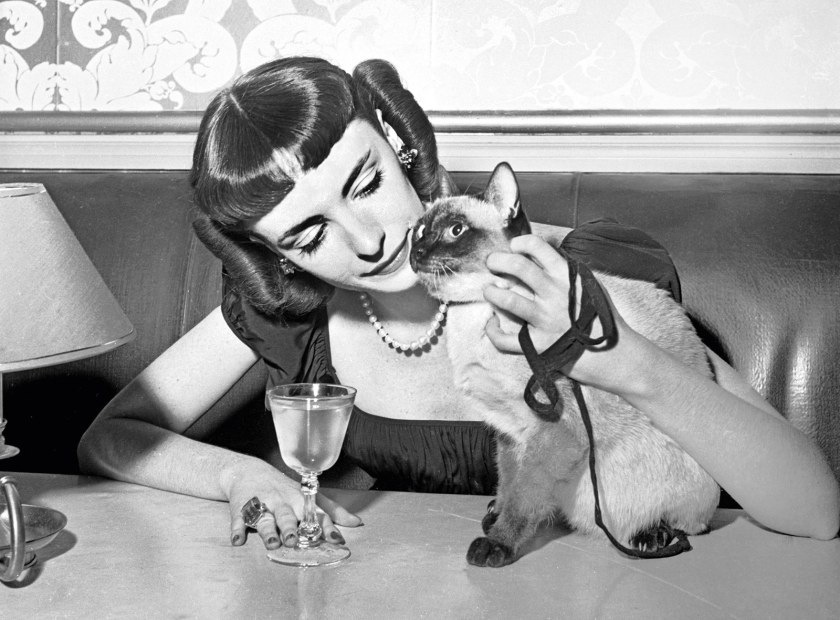
A pair of Chandoha’s kitty muses.
Fashion has Helmut Newton, architecture has Julius Shulman, and cat photography has Walter Chandoha. In 1949, his encounter with a stray kitten blossomed into a career that elevated feline portraiture to an art form. This is a tribute not just to these beguiling creatures but also to a remarkable photographer who passed away this year at the age of 98; and whose compassion can be felt in each and every frame.
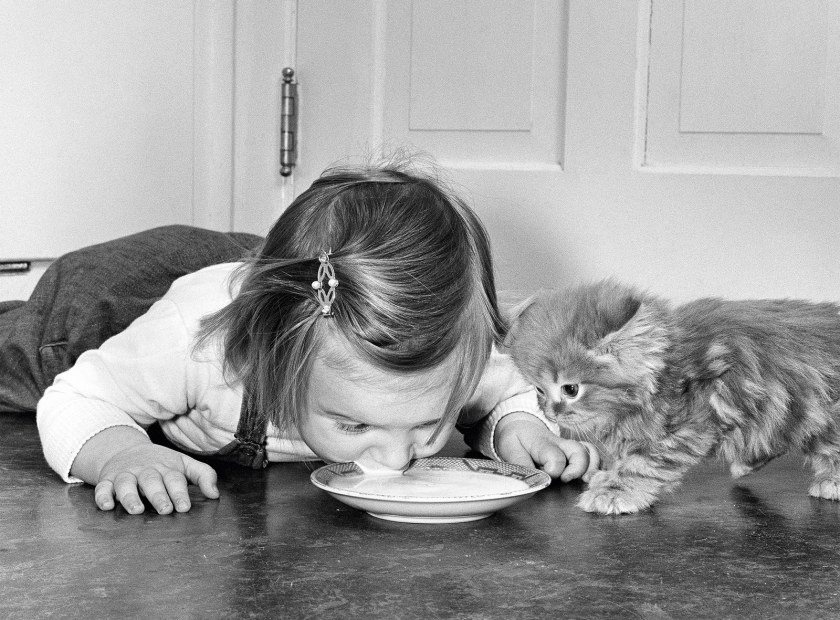
Hello, kitten!“Why are humans always putting us in baskets?”Chandoha and one of his feline models in the 1950s.Walter Chandoha was photographing adventure cats before it was cool.“Hey, get outta my milk, tiny human!”
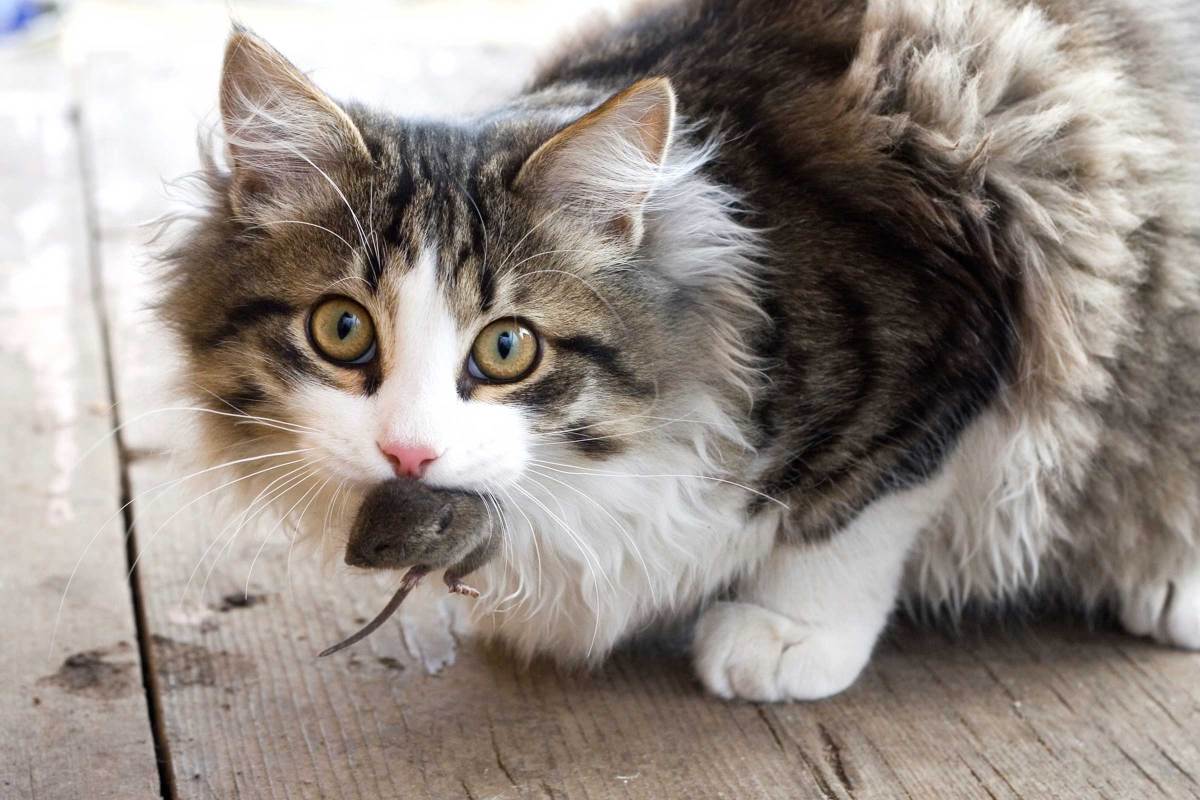
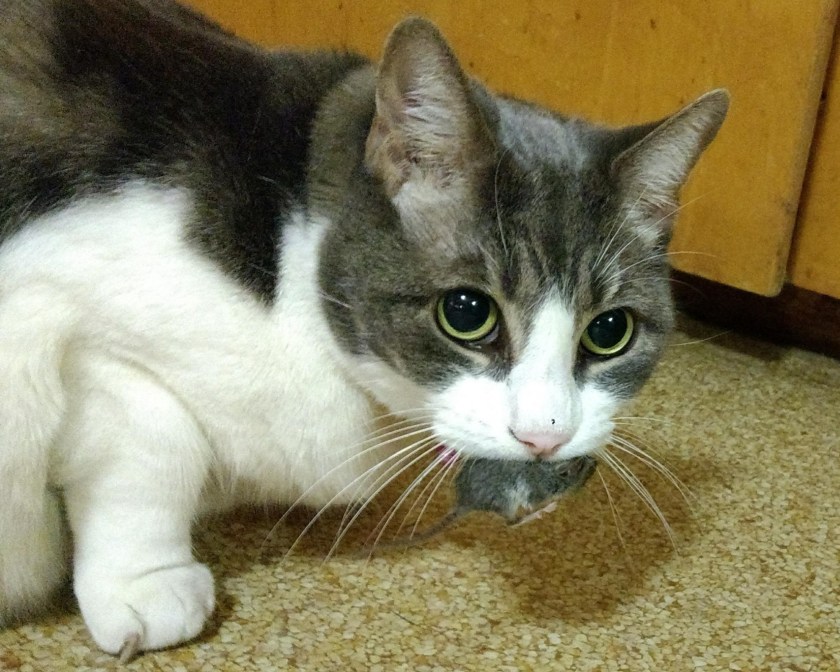
“What a cute kitty,” I thought, then squinted. “Wait… Is that a dead mouse clamped between her teeth?”
After zooming in and verifying that, yes, that is a poor rodent meeting its unfortunate end, I came to a profound realization: Cats are cute even when they’re committing murder.
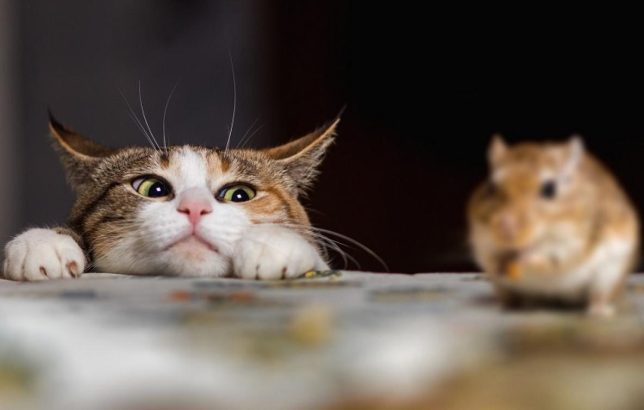
Like this little guy below: Totally cute. Totally thinking about murder.
“My hobbies include eating, sleeping, knocking items off flat surfaces, and murder. I’m really passionate about murder.”
Think about that for a second. We love cats because they’re great companions. They’re loving despite all the myths that claim they’re not, they’re cute, and they’re endlessly amusing.
We welcome them into our homes, adjust our schedules to their needs, and fret about how they might not like a new brand of litter or a newly-arranged living room.
We laugh when they shred paper and enthusiastically tear into plush toys.
We trim their razor-sharp claws, kiss their little heads and give them names like Buddy, Gizmo and Puddin’ Head.
And yet cats aren’t just murderers, they’re serial killers. They’re the bane of birds, rodents and lizards on six of the seven continents. They’re so ruthlessly efficient at killing, in some countries it’s illegal just to let them outside.
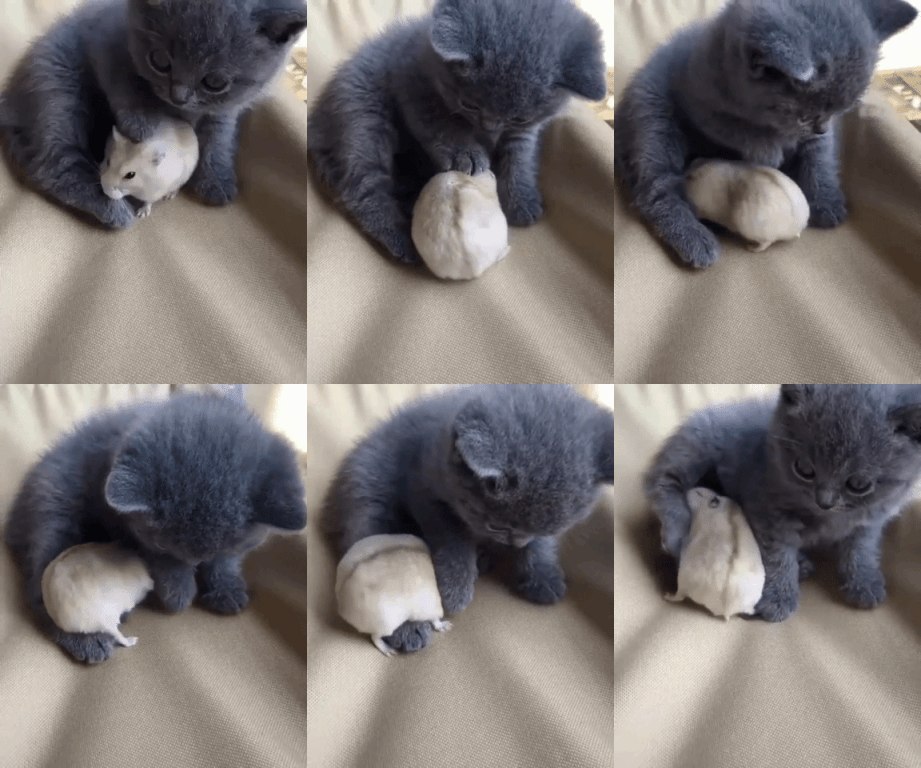
A serial killer in training.
Thankfully I haven’t had to deal with my cat bringing me “presents” of dead rodents or lizards. We live in an apartment, Buddy doesn’t want anything to do with the outside unless I’m with him, and if our games are any indication, he’s a hilariously inept hunter who probably couldn’t catch a rodent even if I slow-tossed one to him like a pitcher serving up meatballs in a home run derby.
Yet I’ve heard many stories from friends and acquaintances whose cats are little terrors. Murderous cats are even the subject of this week’s pet advice column on Slate, where a reader complains that her cat proudly presents her with dead mice, frogs and rabbits.
So what sort of powerful magic is at work here? Why do we disregard the murderous side of our little friends? Or is this the work of toxoplasma gondii, that infamous cat-carried parasite that is rumored to take over human brains?
In truth, it’s just who cats are. They’ve been companion animals for so long, it’s easy to forget the reason cats and humans came together in the first place was to kill rodents who were eating their way through stored grain in the very first human agricultural settlements.
So instead of fretting about their murderous ways, maybe we should just be thankful they’re not large enough to eat us too. Isn’t that right, Mr. Fluffy?
“What? Am I not cute even whilst committing murder?”“I am NOT an inept hunter! You don’t want to tangle with these talons, bro.”
In a discovery that won’t surprise most feline servants, scientists have concluded cats really do get attached to us even if they have a funny way of not showing it.
The internet is abuzz this week with news of a study that indicates a cat’s bond with his human is much like a child’s bond with a parent.
The research, conducted by a team at Oregon State University, sought to gauge how attached cats are to their owners by putting them in a strange situation and seeing how they react with their humans present and without.
In the study a cat is led into a strange room accompanied by his or her human. After two minutes the human exits and the cat is left alone in the unfamiliar room. Another two minutes later, the cat’s servant returns.
It’s the way the cat acts when its human is away — and how it adjusts when the owner returns — that interests researchers. And sure enough, domestic feline behavior followed a familiar pattern:
With owner/servant in the room: “What is this strange place? What are we doing here?”
Human exits: “Oh no! Don’t leave me in here! I don’t know what this place is! Come back! Hey, come back here! This place looks, smells and feels funny. I’m scared!”
Human returns: “Ah! Okay, much better. I’m just gonna rub up against you so I feel better. You know, this room isn’t so bad after all, is it? You look pretty calm. That means I should be calm, right?”
Although it might seem strange that scientists can learn so much from such a simple experiment, the result is important because the way cats react is precisely the way small kids and dogs react to strange situations.
“I love you, furless human, and I’m not just saying that ’cause you feed me!”
It’s all about what psychologists call secure attachment: When a child is bonded with her parent, the mere presence of that parent lends calm and comfort in a strange situation.
Without mom or dad present, the kid is unsure, cautious and maybe even frightened. But with mom or dad in the room, the child feels comfortable and safe enough to go exploring and isn’t intimidated by the new environment. Psychologists call it a “secure base test” because it means kids use their parents as a safe “base” from which to explore.
Two decades ago, researchers broke new ground when experiments showed dogs behave the same way, drawing comfort and feeling more secure with their owners nearby.
“Like dogs, cats display social flexibility in regard to their attachments with humans,” study author Kristyn Vitale said. “The majority of cats are securely attached to their owner and use them as a source of security in a novel environment.”
That is, cats don’t always feel like playing nice and participating in a study because, well, they’re cats.
This latest study isn’t the first time researchers have tried to gauge feline attachment to their humans, but it’s the most expansive study of the phenomenon to date: The Oregon State University team conducted the test with some 80 kittens younger than eight months, then repeated the same experiment with adult cats.
The idea was to determine if cats grow out of their emotional attachment. The results suggest they don’t, which lends credence to the theory that domestic cats under the care of humans are, in some respects, kittens for life.
“Once an attachment style has been established between the cat and its caregiver, it appears to remain relatively stable over time, even after a training and socialization intervention,” Vitale said. “Cats that are insecure can be likely to run and hide or seem to act aloof. There’s long been a biased way of thinking that all cats behave this way. But the majority of cats use their owner as a source of security. Your cat is depending on you to feel secure when they are stressed out.”
For those of us currently employed as cat servants, that last bit is important: Cats most definitely do pick up on our moods even when it seems like they don’t.
To read more, check out a 2015 study by Italian scientists that found cats look to their owners for emotional cues about how to respond to new situations, and a 2017 by the same Oregon State University team that found cats value human interaction just as much as they value food.
“Buddy doesn’t do hugs, okay? Buddy speaks in the third person, Buddy meows insistently for dinner, but Buddy does not do hugs. Deal with it, human.”



 Pain In The Bud