
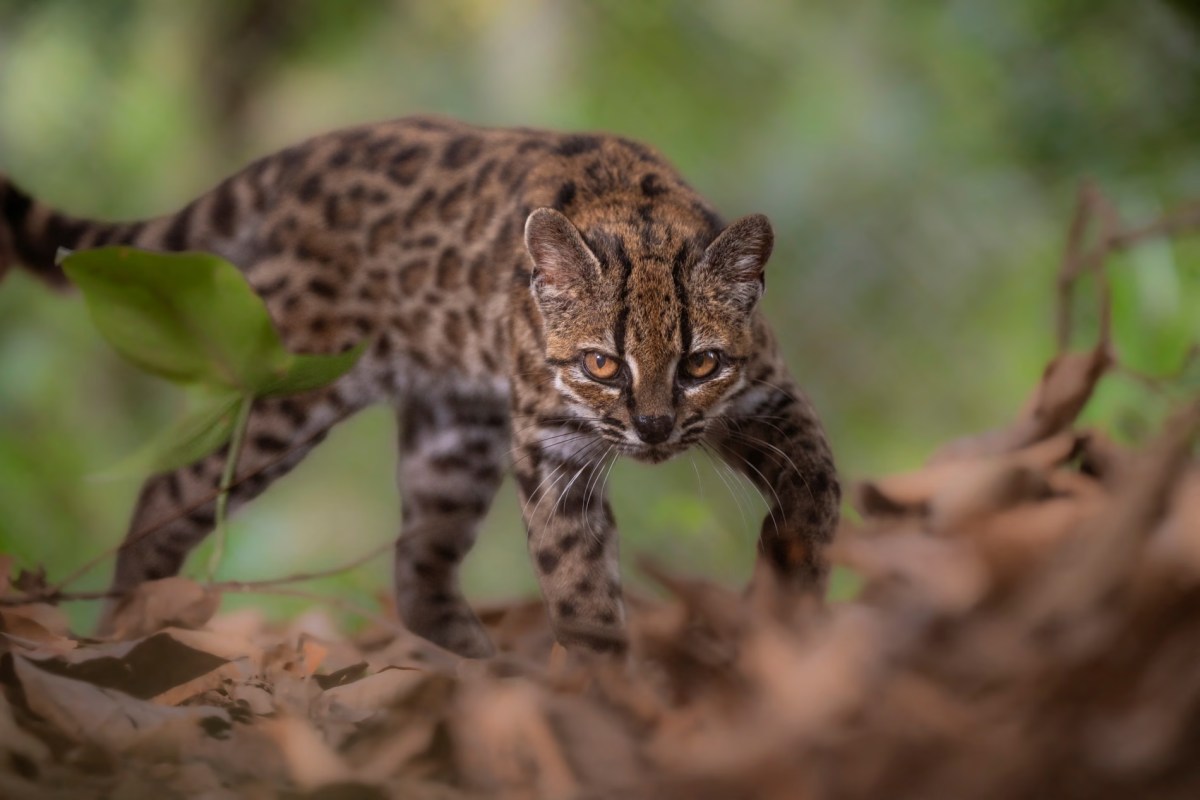
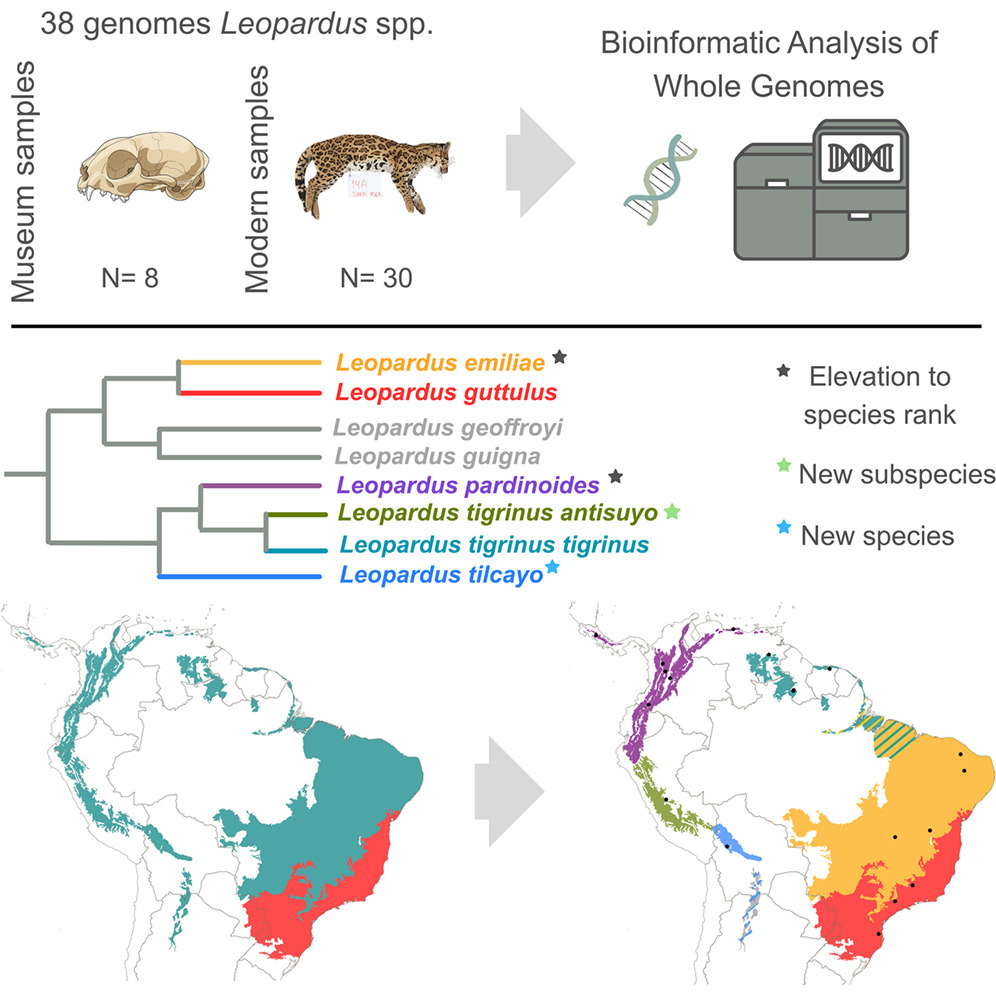
Say hello to Leopardus tilcayo, also known as the Tilcayo tiger cat.
The small, slender feline is the first new species of cat discovered in 103 years following the Uruguayan pampas cat in 1923. Found in Bolivia’s Yungas forest, also known as the cloud forest for its high elevation and lush vegetation, the Tilcayo tiger cat is smaller than domestic felines, weighing in at about six pounds on average.
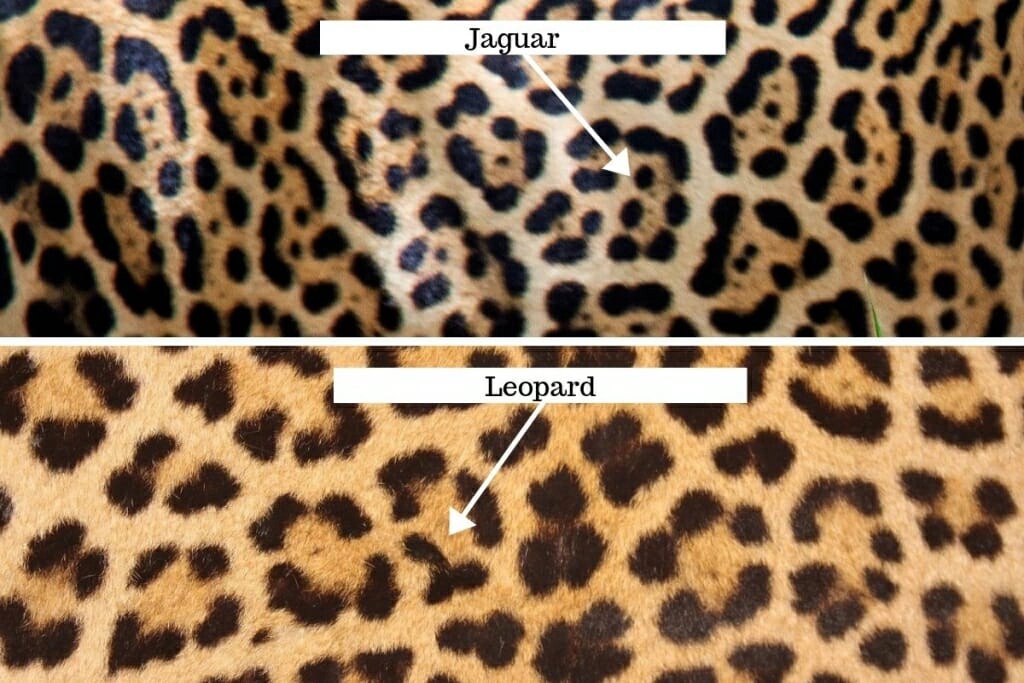
Although it’s part of the genus leopardus and it’s colloquially known as a tiger cat, its coat pattern features rosettes that more closely resemble those of jaguars with the latter felid’s broken patterns and spots inside the rosettes. By contrast, leopard rosettes do not have randomly placed spots.
The new feline is closely related to the other “tiger cats” of the Americas, including the ocelot, oncilla, kodkod, pampas cat and margay.
Notably, it is not a subspecies split from another cat, but an entirely new species to scientists. DNA tests confirmed its status as a separate species. It eluded discovery for so long in part because of its remote location in forests at high elevation.
Paola Nogales Ascarrunz, co-author of the study in the journal Current Biology, said a discovery like this is extremely unusual. The discovery of Leopardus tilcayo was formally announced to the world on Thursday when the paper was published. The same paper noted a new subspecies of tiger cat, the Leopardus tigrinus antisuyo, but the Tilcayo tiger cat is the big news.
“This time, it’s a cat. That’s really novel. And it hasn’t happened in 100 years,” Ascarrunz said. “No one else had named it. No one else had described it.”
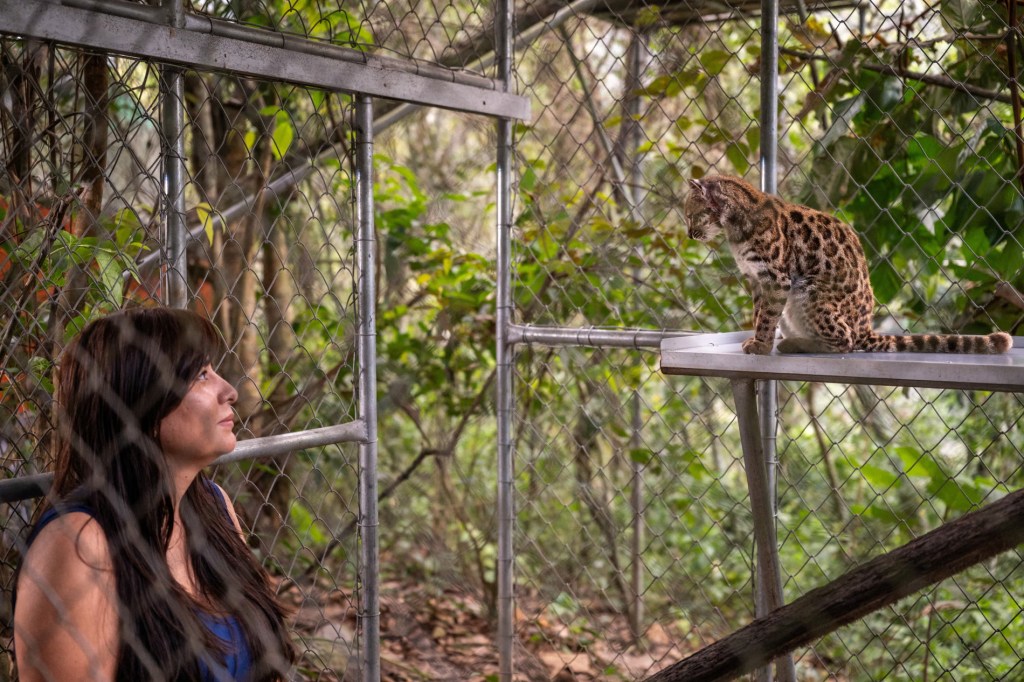
The first time Ascarrunz saw the Tilcayo tiger cat while volunteering at a wildlife rehabilitation center in Bolivia, she “thought it was a kitten,” she said.
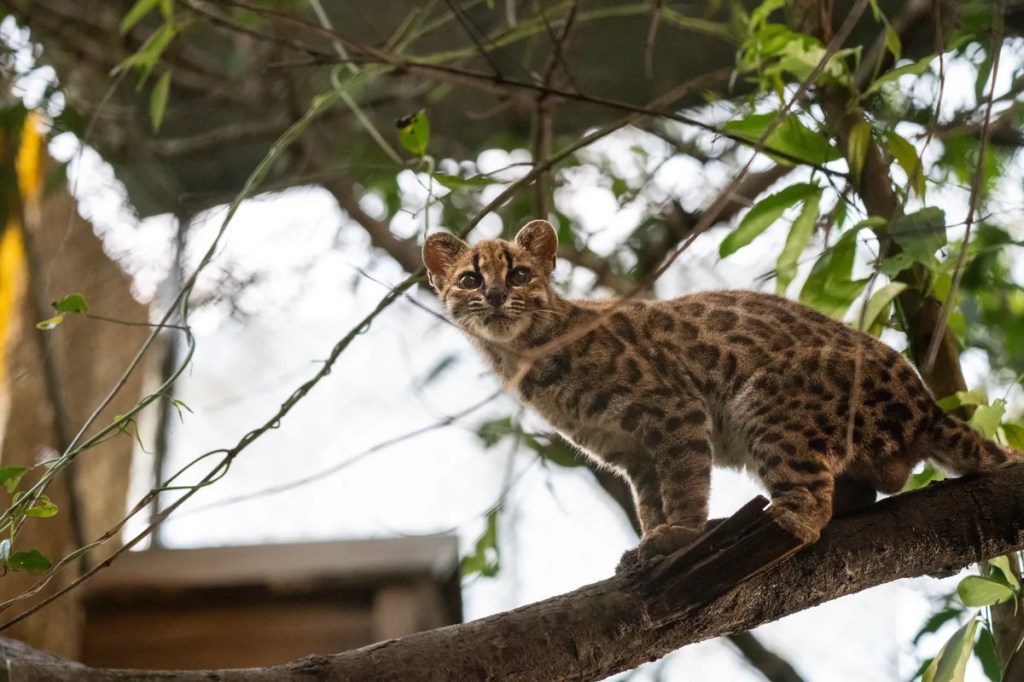
Biologists are still learning about the Tilcayo tiger cat. They’ve only closely examined two members of the species and have camera trail footage of several others. They don’t yet have an estimate of how many individuals live in the Yungas forest.
Unfortunately, study co-author Tadeu de Oliveira noted, all of South America’s tiger cats “are in habitats that are vanishing fast.”
Eduardo Eizirik, an evolutionary biologist at Brazil’s Pontifical Catholic University of Rio Grande do Sul, said the new discovery emphasizes the importance of preserving the Earth’s remaining wild places as humanity encroaches from every angle.
“Showing the general public that even in a flagship group such as cats … there are still new species to be discovered may transmit an important message,” Eizirik said. “There are many undiscovered species out there in the world, and they are at risk of disappearing before we even discover them.”


Awww a pint size predator 🐆 it’s amazing that we are still finding new species, -let’s hope they don’t get hunted to extinction!
LikeLiked by 1 person
They won’t go extinct from hunting. Humans will wipe out their habitat and that’s how we’ll lose them. It’s sickening how little we care about anything else on this planet except ourselves.
LikeLiked by 1 person
There are some inroads being made, we just don’t hear about them very much – for obvious reasons.
LikeLike
Yeah habitat loss/fragmentation is probably the big one. If you look at the range distribution maps in the post, these tiger cat/leopardus species don’t have the kind of massive ranges that pumas enjoy.
LikeLike
Or poached as pets. We don’t know anything about their general disposition or whether they’re calm around humans. Some of the cutest tiny wildcats really aren’t keen on interacting with people.
Thankfully they’re also in areas that are difficult to access.
LikeLiked by 1 person
Very cool! Ramses is making a note of this for his next Caturday Post… Whenever that happens. LOL
LikeLike
It really is incredible that these little guys managed to evade detection for so long.
LikeLike
So beautiful and small… how can he live in such dangerous places… This makes me wonder how many species there are that we haven’t discovered, species that are already extinct and that we’ll probably never know about.
LikeLike
The unknown unknown, as Donald Rumsfeld famously said. There’s a possible species called the Narino cat that was identified by a single skin from 1989, but if it really is a separate species, no one has found it and it could be extinct.
Researchers use camera traps, but with a genus like leopardus, the “tiger cats,” it’s really difficult to tell them apart on camera or even seeing them in the flesh.
LikeLike
What a stunning little cat! Hard to believe it stayed hidden for a century. I’m currently hiding out too, just waiting for my kitchen cabinet refacers to finally finish up. Reading about this tiny predator is the perfect distraction, though it definitely has more patience than I do!
LikeLike
This story got big coverage over here, which seems entirely appropriate for a country obsessed with a cat like Larry!
LikeLike
All hail Larry! Maybe we’re surprised by the idea that there are still truly wild and remote places untouched by humans, and still a few secrets to uncover.
LikeLiked by 1 person