An Extraordinary Tiger Mourned His Longtime Mate, Then Stepped Up To Raise Their 4 Cubs

A Bengal tiger mourned his longtime mate and then did something extraordinary, replacing her as their cubs’ primary caregiver.

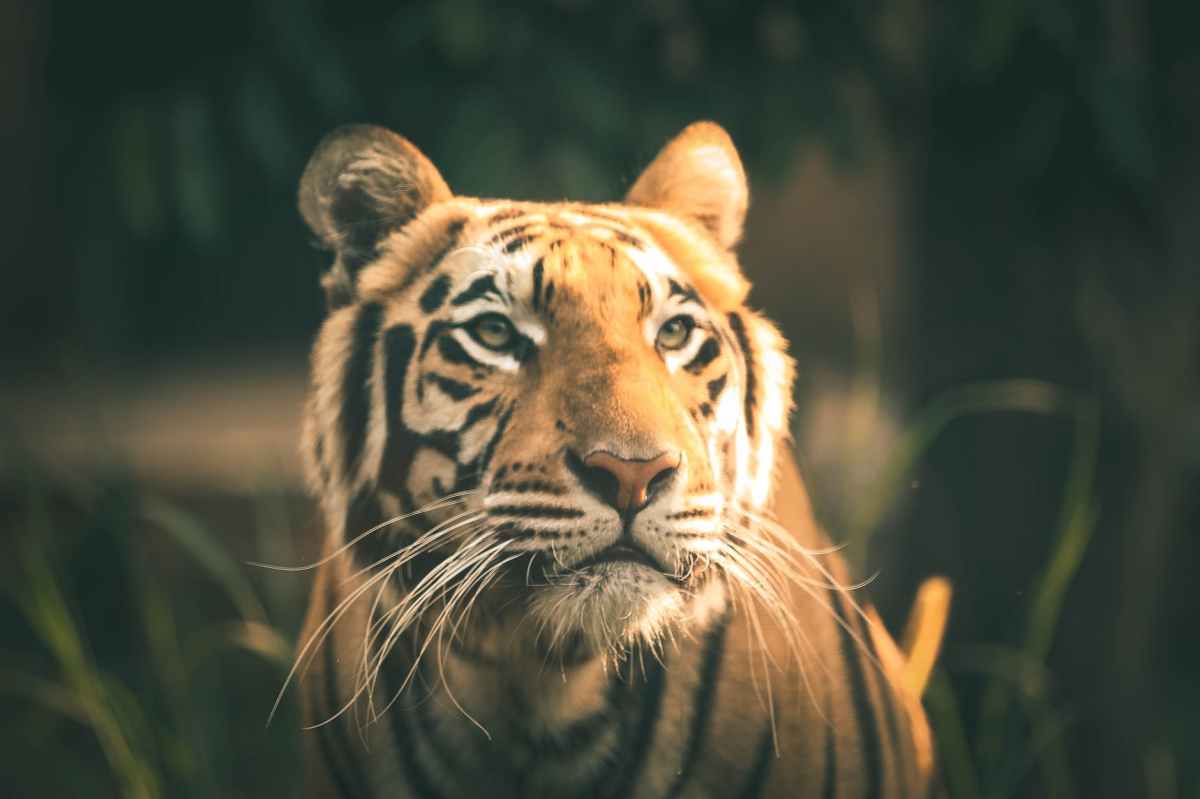
The magnificent tiger in the photo above is officially called P-243, but he’s affectionately known to locals as The Hulk of Panna.

He made his home about a decade ago in the Panna Tiger Reserve, a 210-square-mile national park in the Indian state of Madhya Pradesh, home to more than 72 million people.

What makes him special, aside from his massive frame, is the fact that when his longtime mate died and left four of their cubs to fend for themselves, the Hulk stepped up and became a full-time dad.

The mom, known as P-213-32, had previously given birth to a litter of four cubs, but only two survived. As far as the rangers at Panna National Park could tell, the Hulk and P-213 had been together for years. The new cubs were their second litter.

The Hulk “was not seen with any other tigress,” the rangers wrote in a report.

On May 12, 2021, park rangers were concerned when P-213’s radio collar began transmitting potential mortality signals, alerting them to the fact that the tigress hadn’t moved for about six hours. The rangers observed her from a distance, then dispatched a team of elephant scouts to take a closer look.

matriarchofpanna
T1 (tigress 1) was known as the matriarch of the Panna Tiger Reserve. After poachers nearly wiped out the entire population of tigers almost 15 years ago, T1 and another tigress were the last two female tigers. T1 herself gave birth to 13 cubs and today the reserve has more than 80 of the endangered big cats living within its boundaries. Credit: RS Murthy

The use of elephants by experienced riders in India to monitor tigers is as ancient as it is ingenious — while virtually every other animal in a tiger’s habitat gives the big cats a wide berth, elephants and tigers have an unspoken mutual agreement, a kind of wild non-aggression pact. That’s because as massive and powerful creatures who move in packs, elephants are too much trouble for tigers to bother with. Unlike their lion cousins who do hunt elephants opportunistically, tigers don’t form prides and even if elephants were solitary animals and easier to hunt, even a mother and her hungry cubs — let alone a single tiger — can’t eat that much meat. They also can’t transport the kill to safer dining spots the way they do with their typical prey.

So tigers and elephants tend to do little more than acknowledge each other’s presence, and the tigers have learned that humans riding on elephants aren’t hostile.

The elephant rangers who got close to P-213 realized the tigress had a swollen right forelimb and they made the decision to sedate her. For the next two nights, field veterinarians accompanied the rangers and administered painkillers and antibiotics. The treatment seemed to work, the swelling was reduced and the tigress was ambulatory if still sluggish, but she died less than a week later.

Her death “came as a shock to all of us,” the team wrote. “A beautiful tigress and a caring mother, [her death] left her four cubs alone.”

Frustratingly, a postmortem and lab analysis of her blood didn’t turn up any obvious cause of death.

P-213’s death “was itself heavy loss to bear but now the major worry was her four orphaned cubs,” the ranger team wrote. The cubs were last seen with her on May 10, about 11 days before she died. The two previous days they’d been spotted sharing a kill with their mother, and rangers reported the cubs looked strong and healthy.

A few days later, after an exhaustive search by five elephant riders and 50 park rangers, a ground team found the cubs “healthy and active and [did not appear] hungry or stressed.” They also spotted their father, the Hulk, nearby.

What happened next was extraordinary.

After park rangers cremated P-213, the Hulk approached the site about an hour after the last people cleared out. The next day, rangers observed him “sitting for long hours at the place where P-213 died.”

They also saw the dedicated mate and father calling out softly as he looked for his cubs, three males and a female who were about seven months old at the time.

A few days later, the Hulk successfully hunted a sambhar, a type of deer, and shared the kill with his cubs according to a local news report. Then on June 6, the Hulk was spotted feeding the kids again after he killed a cow.

“For the entire day the tiger remained in the area but did not eat the kill. This was unexpected behaviour from a tiger and the PTR management deployed ground staff deployed to find out the reason,” the news report said. “The team found that the area where the tiger killed the cow is the territory of four tiger cubs. This male tiger, known as P243, is their father. The cubs had lost their mother a month ago.”

hulkofpanna
The Hulk prowls his territory. Credit: Sanjeev Siva

As if he hadn’t done enough to earn “dad of the year” honors for his species, the Hulk was even spotted playing with his offspring.

“After the death of the tigress, we located these cubs and placed camera traps in the area,” said U.K. Sharma, the director of Panna Tiger Reserve. “We found that the tiger visits these cubs regularly, and his behavior shows that he is not a threat to the cubs. We have seen the cubs playing with the male tiger and sharing kills.”

The team at Panna reserve continued watching closely and got to see the cubs flourish in the care of their dad. There were moments of uncertainty when rangers went days without seeing the cubs or finding their pug marks, but their fears were always put to rest by trail cameras that captured images of the Hulk with his kids in tow, resting with them in favorite spots and sharing meals with them as he taught them to hunt and survive.

Because male tigers typically aren’t known for nourishing behavior and their traditional role is to defend their territory to keep their mates and cubs safe, the Panna reserve’s staff were ready to step in if things began to look dicey. They never had to. A follow-up report about eight months later, when the cubs were healthy and fast-growing 15-month-olds, affirmed the team’s earlier decision to stay hands-off and let the Hulk do his thing.

“Surviving the wild without mother tigress is no mean feat but surprises do happen,” the rangers wrote. “And these become experiences, practices and lessons for the future. The lesson learnt is ‘[the] best thing one can do when tiger cubs are growing is to let them grow. Let us permit nature to have her way. She understands her business better than we do.'”
The Era of Tiger Pets Is Over, Plus: Influencer Defends Hitting Cat, Says People Are Upset Over ‘Nothing’

Big Cat Rescue will pivot to conservation efforts across the world. Meanwhile, TikTok “influencer” Hasbulla says people are attacking him for “nothing” over a video showing him abusing his cat.

We start with some great news: Big Cat Rescue is shutting down because its services will no longer be needed.

Of course there are still plenty of tigers, lions, jaguars, leopards, pumas, lynx and cheetahs in the non-profit sanctuary’s care, but the passing of the Big Cat Public Safety Act has finally put an end to the cruel, abusive and absurd practice of keeping big cats as pets.

The animals will be moved to Turpentine Creek, an accredited animal sanctuary in Arkansas. Big Cat Rescue will continue to fund their care and will sell its existing land in Florida as it transitions to programs to prevent the extinction of big cat species, almost all of whom are critically endangered.

“We have always said that our goal was to ‘put ourselves out of business,’ meaning that there would be no big cats in need of rescue and no need for the sanctuary to exist,” Big Cat Rescue wrote in a memo released this week. “Supporting our cats in larger enclosures at Turpentine Creek, at much lower cost per cat than we incur by continuing to operate Big Cat Rescue, will free up resources to let us do much more to save big cats in the wild.”

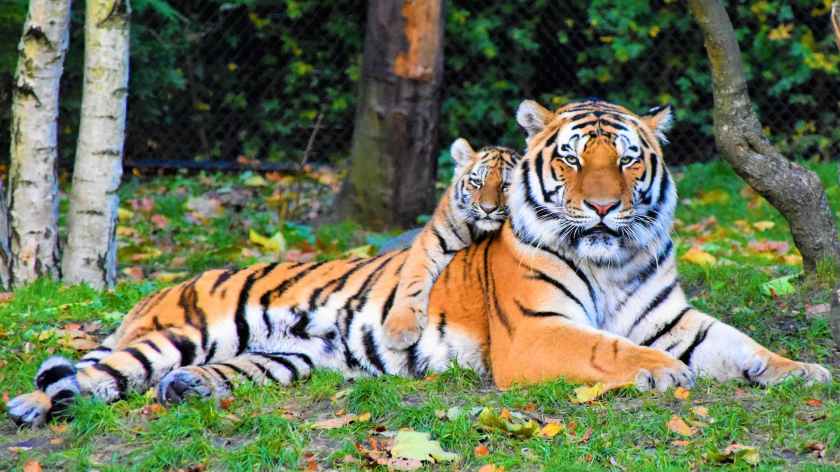
photo of tiger and cub lying down on grass
Credit: Waldemar/Pexels

The Big Cat Public Safety Act has not only made it illegal to own tigers and other wild cats as pets, it also puts an end to the cub-petting business used by roadside zoos, in which cubs are taken from their mothers as infants so the roadside zoos can charge customers to pet the cubs and pose for photographs with them. While big cat “pet owners” are grandfathered in, many have been rescued and there will be no more pets after the current group dies out.

Influencer Hasbulla says people “are attacking me for nothing” over video in which he abuses cat

Hasbulla, the Russian influencer whose videos have been viewed more than 10 billion times on TikTok, says people are making a big deal over “nothing” in response to a video showing him abusing his cat.

Hasbulla 3 169
Hasbulla is 20 years old but has a child-like appearance due to a genetic condition.

The 3’4″ social media “star” is known for frequently talking about “acting like a man” and in addition to being an enthusiastic supporter of Russian President Vladimir Putin and his war in Ukraine (he’s called Putin “a lion” on several occasions), he holds typical Russian views on the way men are “supposed” to act.

Hasbulla said he was merely disciplining his cat for “misbehaving.”

“Those brothers who think that I was beating the cat, pulled the ear, this and that. I pulled the ear gently,” Hasbulla said in a video accompanying a Twitter post. “I know that people are waiting for the moment, if I write something wrong, to just attack me like this. Like, ‘you do this, you do that’. She was misbehaving and I just pulled the ear and that’s it. I love my cat more than you. If I didn’t love the cat, I wouldn’t have it at home. My most lovely animal is a cat. And when she disobeyed, I scolded her a little. And you are attacking me for nothing.”

Of course anyone with common sense knows cats are not capable of “misbehaving” because they have no concept of what behaving means by human standards, and Hasbulla is being dishonest when he claims he was “gently” disciplining the cat.

In the video, which the Russian voluntarily uploaded, he’s seen grabbing the terrified cat by her ear and yanking violently. The cat runs from him and retreats to a cardboard box where she tries to soothe herself, but Hasbulla follows, scolding her in his native language and hitting her several times on her head and body.

Unfortunately there is little concern for animal rights in Hasbulla’s country, so it’s very unlikely he’ll run afoul of any Russian laws, and even less likely that an animal welfare organization will confiscate the abused feline.

Ban On Big Cat Pets Heads To Biden’s Desk

The Big Cat Safety Act will put an end to the era of cub petting mills at roadside zoos and private “ownership” in states like Texas and Florida.

All that awaits is a stroke of President Joe Biden’s pen.

The Big Cat Safety Act was passed by the US Senate this week, clearing its last legislative hurdle. The law would ban the “ownership” of big cats as pets and would end their exploitation by roadside zoo operators, while also outlawing big cat breeding by private parties.

It’s a bipartisan effort that gained steam after years of efforts by animal rights organizations and documentaries like Netflix’s infamous Tiger King, which showed millions of viewers how the majestic felids are kept in cruel conditions and chained to an endless breeding treadmill to provide a constant supply of cubs. Those cubs are taken away from their mothers shortly after birth and used as props in lucrative “selfie with a tiger” offerings at unaccredited roadside zoos.

Private “ownership” of big cats has been a contentious issue and an embarrassment for American animal rights activists, particularly because almost all big cat species are critically endangered. There are more tigers living in backyards in Texas and Florida, for example, than there are living in the wild in the entire world.

Breeding for conservation is a process that involves careful planning by experts at accredited zoos and sanctuaries. Because there are so few big cats left, with some subspecies down to just a few hundred living animals, mates must be carefully chosen to avoid genetic bottlenecks and to ensure healthy and viable breeding populations in the future. As private breeders and roadside zoos breed the animals without regard to subspecies or genetic diversity, they do not contribute to species conservation in any meaningful way and can do harm with indiscriminate matches, conservationists say.

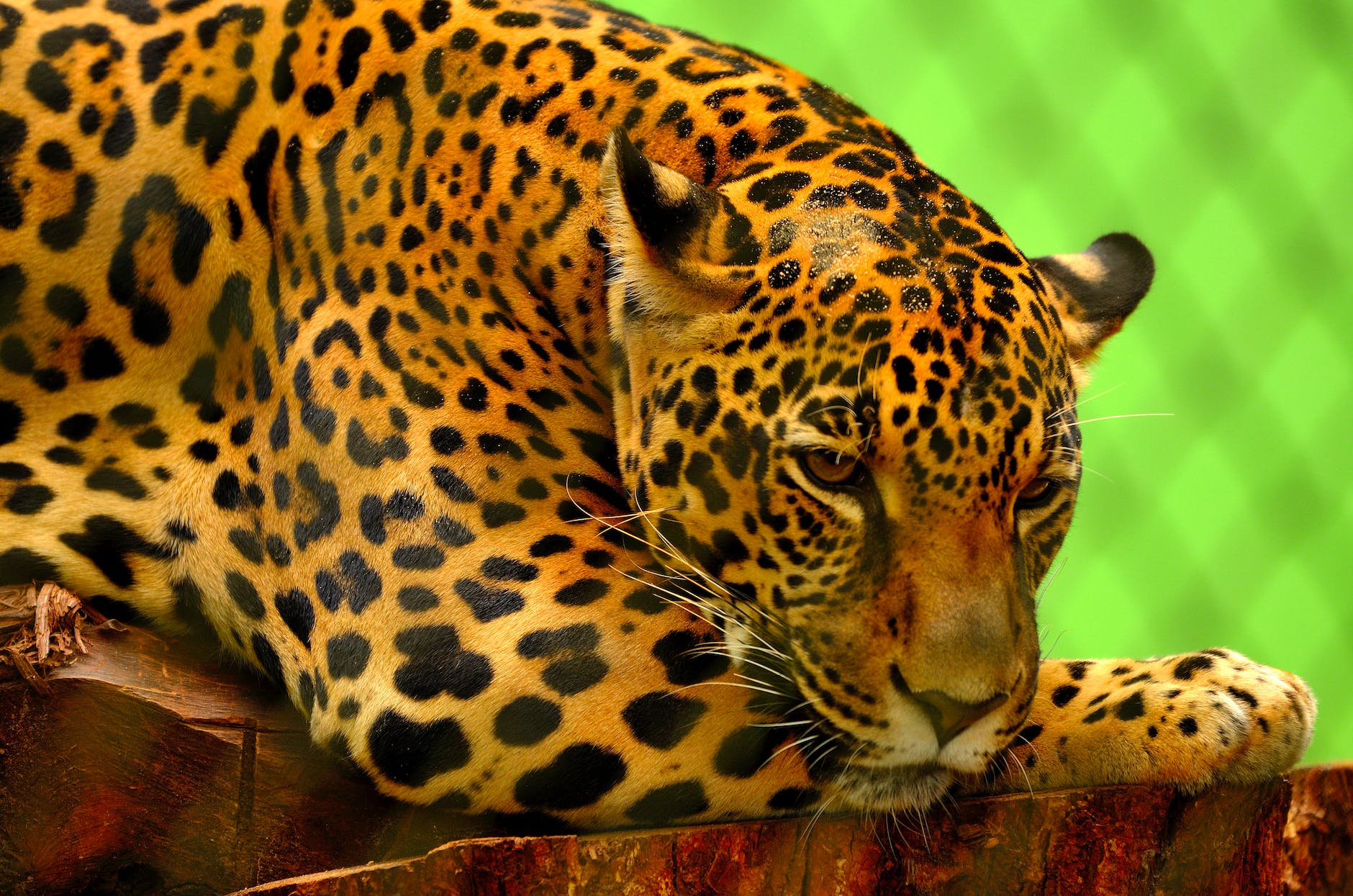
leopard on brown log
Credit: Pexels

While the bill outlaws private ownership, it still allows sanctuaries, zoos and universities to keep big cats in regulated facilities that meet their physical and psychological needs. It also permits programs like the statewide puma project in California, which has been tracking the elusive felines for more than two decades and involves occasional sedation and temporary custody so the team can provide veterinary care.

“An extraordinarily cruel era for big cats in the U.S. finally comes to an end with the passage of the Big Cat Public Safety Act,” said Kitty Block, president of the Humane Society of the United States. “We’ve been fighting for this moment for years because so many so-called ‘Tiger Kings’ have been breeding tigers and other big cats to use them for profit. And once the cubs grow too large for cub-petting or selfies, these poor animals get dumped at roadside zoos or passed into the pet trade, which is not only a terrible wrong for the animals, but also a threat to public safety. Now that the Big Cat Public Safety Act will become law, it’s the beginning of the end of the big cat crisis in the U.S.”

The Big Cat Safety Act cleared congress in mid summer, and its passage in the senate means it will get to Biden’s desk with several weeks to go in the current legislative session. Biden is expected to sign it without delay.

“For me, this fight for the big cats was never personal,” said Carole Baskin of Florida sanctuary Big Cat Rescue. “This was always about developing a national policy to shut down the trade in these animals as props in commercial cub handling operations and as pets in people’s backyards and basements.”

The new law does nothing for big cats currently in captivity, unfortunately. Current “owners” will be grandfathered in, although they won’t be able to replace their “pets” legally, as breeding and purchasing the animals will be illegal. The last “pet” members of the panthera genus in the US will die out within the next two or three decades, assuming no major outliers in lifespan.

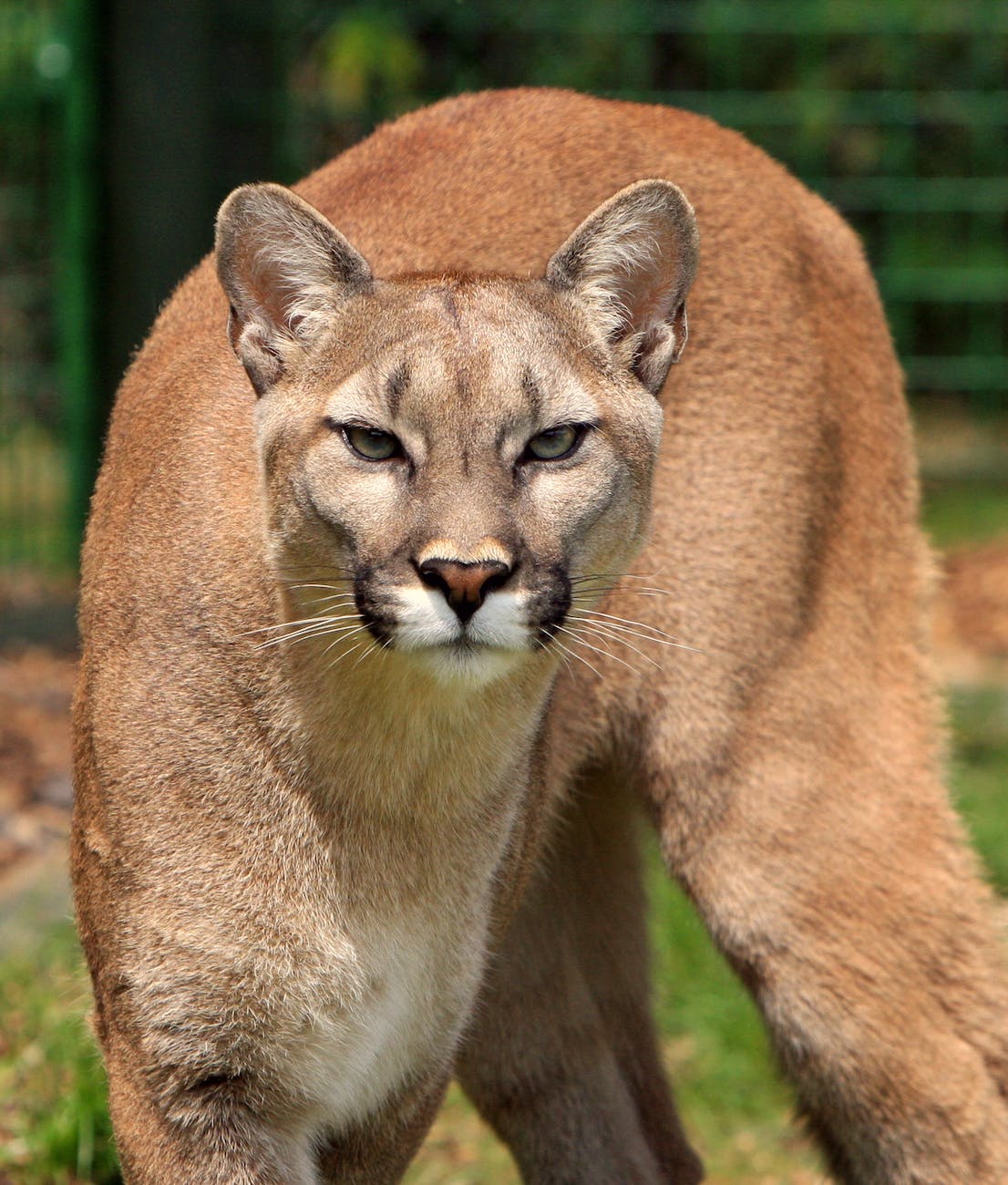
Puma
As felines who can purr but not roar, mountain lions are not technically “big cats,” but they’ll also be protected under the new law. Credit: Pixabay/Pexels