US Law Treats Pets As Property, UK Law Treats Them As Sentient Creatures With Real Emotions

Your cat may mean the world to you, but in American courts she’s no different than a TV or an air fryer.

With a quick resolution to a UK cat theft that made international news, it’s become clear that our friends across the Atlantic are way ahead of us in crafting laws that protect animals.

In the US, the legal system views pets as property. You can see the vestiges of our agricultural past in the way animal-related crimes are categorized. Here in New York, they’re found in Agriculture and Markets law, not the state penal code.

The former was written to handle things like compensation for killed or stolen livestock, not to recognize the emotional damage a thief does to both the person and pet when they’re separated.

Today laws forbidding puppy mills and defining the responsibilities of municipal pounds are lumped in with legislation governing things like farm fencing and how horses may be tested for performance-enhancing drugs ahead of county fairs. It’s archaic, confusing and limits the legal consequences for mistreating pets.

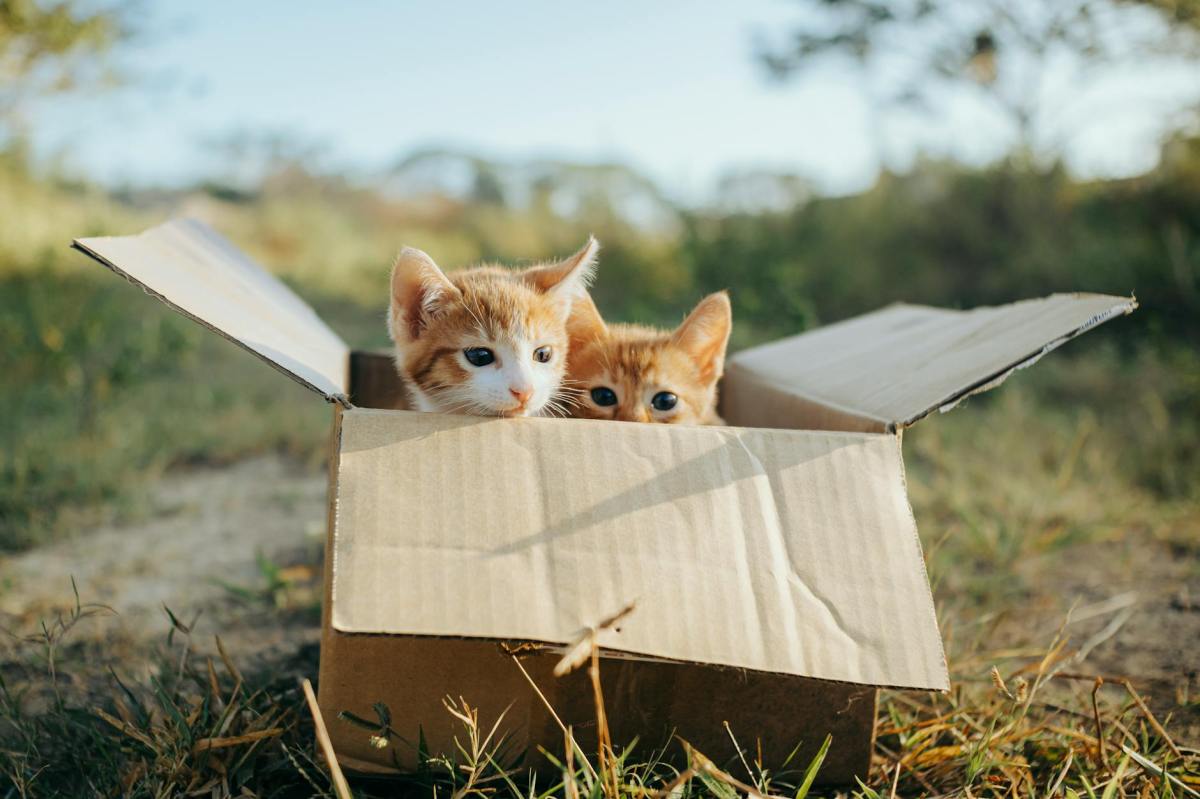
Credit: Breno Cardoso/Pexels

That means the penalties for stealing someone’s beloved dog or cat amount to a slap on the wrist. Your cat may mean the world to you, but in the eyes of the court she’s worth the $175 fee for adoption and shots you paid to a shelter.

That’s also why police enforcement is a crapshoot. If someone makes off with your furry friend, you might get lucky when you find out the local sheriff loves his dogs dearly and makes sure animal-related crime is taken seriously.

Or you might get a desk sergeant who thinks you’re wasting department resources, glowers at you from behind the desk as you submit your report, and leaves it in a pile with other things he believes are beneath the dignity of real police.

It’s easy to blame the police, but their attitudes are impacted by the outdated laws and a society that hasn’t caught up. SPCA law enforcement officers are often treated like Ace Ventura with a badge, and police agencies are reluctant to devote significant resources to cases that will amount to misdemeanor charges, which can be pleaded down further in court.
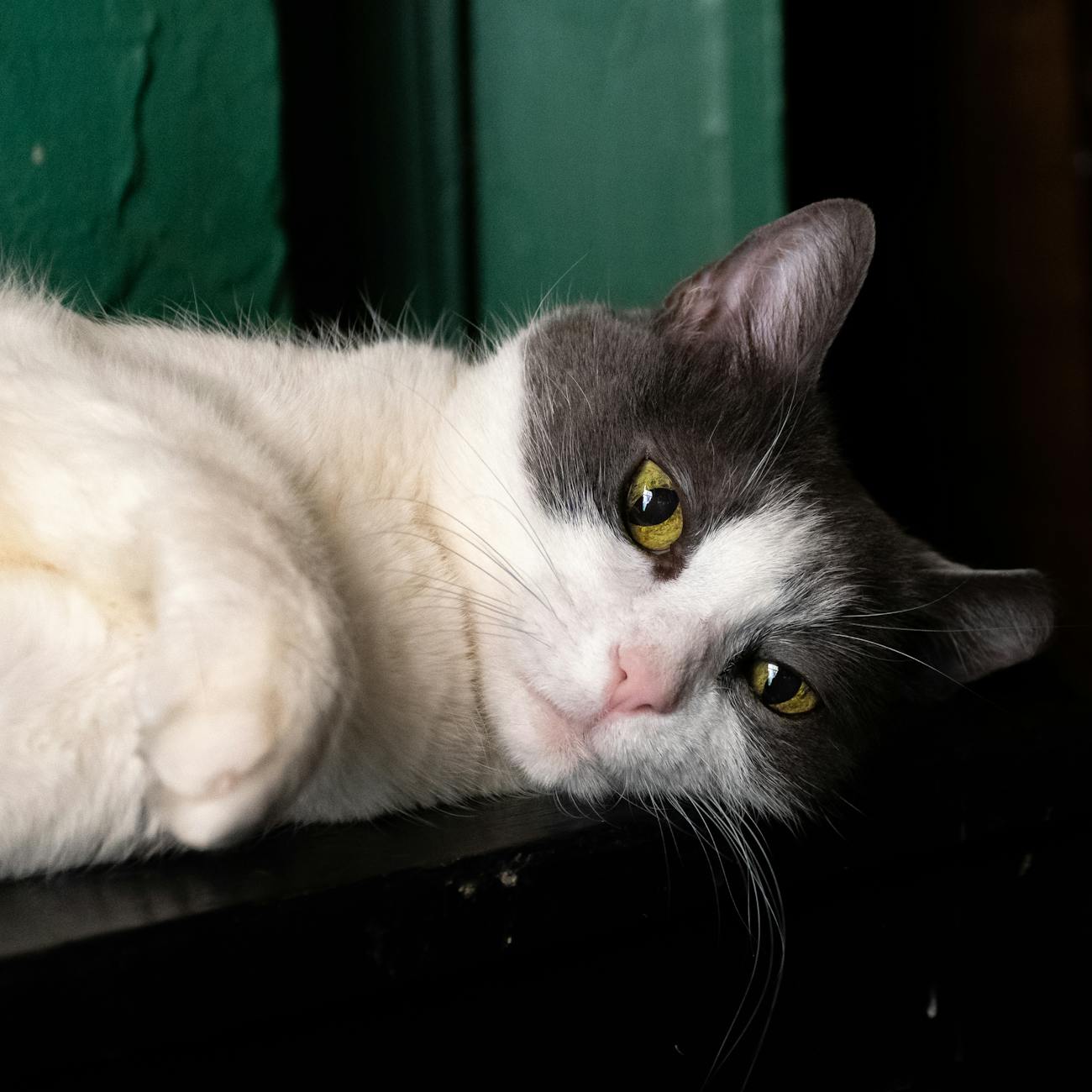
Credit: Alexandros Chatzidimos/Pexels

Compare that to the West Yorkshire police, who launched an investigation when security camera footage showed an Amazon delivery driver stealing a family’s cat a week ago. Happily the feline has been reunited with her people and is back home, but neither the driver nor the company are off the hook, as the police still have an active investigation.

In the UK, courts take animal-related crimes seriously, and so do the police. That’s because of several important pieces of legislation, starting with the Animal Welfare Sentience Act of 2022.

The law finally frees cats and dogs from any remaining association with property laws. Instead they’re viewed as what they are, sentient creatures who have their own feelings. It also recognizes animals like the octopus, which can be startlingly intelligent.

That opens the door to legislation like the Pet Abduction Prevention Act of 2024, which takes into account the trauma to the human and animal victims. Both dogs and cats are likely to be deeply confused and distressed at being taken from their people, and cats in particular don’t do well when removed from their territory.

When a judge sentences a person for, say, stealing a family’s beloved senior dog, he can take into account the stress both the family and dog endured, and the disruption to their lives. When a couple breaks up and both sides fight over a cat, the judge can base a decision at least in part on what’s best for the kitty.

You can’t do that when a law says the animal in question is no more important than a toaster.

The 2024 law cited more than 2,000 dog abductions and more than 400 cat thefts in 2020, and it has legal teeth — judges have discretion to put convicted pet thieves behind bars for as many as five years.

American lawmakers should take a look at how things are done across the pond. At a time when rancorous politics and divisive ideology stains almost everything, this is an opportunity for legislators of all ideological stripes to work together, earning a win for themselves, and most importantly, for animals.

One Unverified Claim Of An Aggressive Stray Prompted A New Jersey Town’s Plan To Trap And Kill Cats

Local authorities have backed off the plan, but the story raises important questions about how local governments deal with stray cat populations.

The recent saga of a New Jersey town’s ill-advised plan to “destroy” feral cats highlights almost everything wrong with local government.

First, a notice went out from the northern New Jersey town of Matawan, informing residents that feral cats had become a “nuisance” and their presence posed a danger to “the welfare and safety of both the community and the cats.” The town, in cooperation with the police and SPCA, the notice said, would begin trapping stray, feral and free-roaming felines in November, and any cat not claimed after seven days would be “destroyed.”

The backlash was loud and immediate, and it took the Monmouth County SPCA by surprise.

After receiving angry complaints, the local SPCA posted a notice on Facebook blasting the “outlandish and outrageous campaign.” The SPCA’s leaders said they hadn’t been consulted and hadn’t approved of the policy, blaming the Matawan Animal Welfare Committee, a three-person group comprised of the town’s business administrator, Scott Carew, town councilwoman Melanie Wang and an animal control officer.

“We are completely outraged and disheartened that our organization has been attached to this archaic campaign to euthanize feral cats, when there are so many other successful, humane alternatives,” the Monmouth County SPCA wrote in its statement.

Carew backpedaled in the fallout, claiming the notice was a well-intentioned way of informing people who live in Matawan to keep their cats inside and stop feeding strays and ferals.

“By no means was the goal of the trapping efforts to destroy trapped cats,” Carew told NJ.com. “That said, since there was the chance that cats would be trapped and brought to the shelter, we wanted to alert cat owners whose cats are allowed to roam outside.”

But Carew also said he and the other were “obligated to address the complaint,” and said the town would have to enact “a resumption of trapping efforts” if it received more complaints about the cats. According to a statement by the Matawan police department, in a meeting between local leaders and people concerned about cats in one neighborhood, it was a single complaint about a possibly aggressive feral cat that prompted the plan.

That’s it. That’s all it took, in the eyes of local government officials, to justify a policy of trapping and killing sentient, human-habituated innocent animals, a group that includes free-roaming pets, former pets, strays and true ferals. A single, unverified complaint of a potentially “aggressive” cat, with no further detail about what the word aggressive means in that context, no information about what the cat supposedly did, or even confirmation that the cat was a feral and not a stray or a wandering pet.

When the dust cleared from all the finger-pointing, Carew said his committee should have informed the SPCA of its plans, and police brushed off responsibility by saying they “assumed” the notice was drafted with the cooperation and intent of the SPCA and other local animal welfare groups.

Cat trap
A cat caught during a trap, neuter, return program, which reduces feral/stray populations in the long term without the cruelty of culling. Credit: Pixabay

Local government leadership and incompetence has become a big problem. With the death of newspapers, particularly regional dailies that employed trained journalists, there are entire swaths of the country no longer served by local government watchdogs who have the time, skills and resources to monitor local officials and inform the public.

We’re fortunate that NJ Advanced Media, an online portal for content from more than a dozen New Jersey local newspapers, has found a way to exist as a viable business serving millions of readers throughout its home state. Without it, it’s doubtful the story would have surfaced anywhere.

Lots of people think local government is small potatoes, but the truth is that local officials are responsible for enormous budgets and wield considerable power. The decisions they make very likely have more impact on our lives than decisions made in the halls of congress, even if it’s the latter that gets people’s blood boiling.

In this case we have a meeting conducted in secret, without public notice, that would have determined the fate of an unknown number of animals. We have anonymous, nebulous complaints and allegations about “nuisances.” What constitutes a nuisance? How many cats are involved? Are the cats part of managed colonies and cared for by people who trap and neuter them? None of those questions were answered.

Additionally, instead of taking intermediary steps or using widely available resources — the “other successful, humane alternatives” the SPCA referenced, from the willing cooperation of local shelters to the free toolkit created by the authors of the incredible D.C. Cat Count — the local officials came up with their own ill-advised plan to trap and kill cats.

Outrage by animal lovers and the SPCA were enough to make sure a plan like this was quickly discarded this time around, but you have to wonder how many other places this kind of thing might be happening without so much as a blurb about it.