Do You ‘Pspsps’ To Your Furry Friend? Plus: An Obit For Miles The Cat

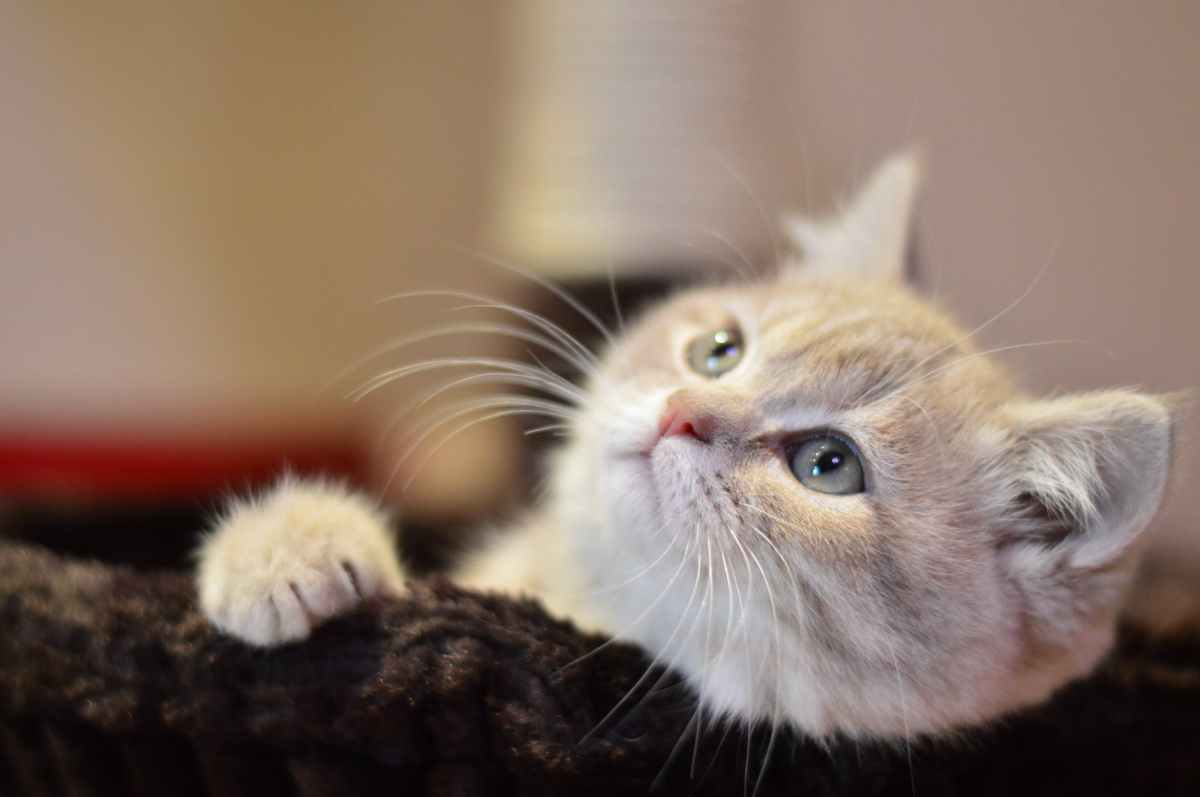
Do you use “pspsps” to get your cat’s attention?

Apparently a lot of people use the “pspsps” thing to get their cats’ attention, and Mental Floss has a new story proposing some theories about why people use it and why cats respond.

The first and most obvious is that felines hear higher frequencies than humans, and they’re especially tuned into those frequencies because their usual prey — including rodents and birds — not only make noises in the higher ranges, they make noise us humans can’t hear, but felid ears are primed to pick up.

Mental Floss’s Ellen Gutoskey also points out that it could be “a truncation of ‘Here, pussy, pussy, pussy’—popularized in part by ‘Pussy, Pussy, Pussy,’ a 1930s song by the Light Crust Doughboys. In fact, the tempo is fast enough that it almost sounds like they’re singing ‘Pspsps.”

I think she could be onto something there unless the “pspsps” sound is universal, but truthfully I have no clue whether people in other countries, or outside the English-speaking world, use it to call their cats. I don’t and never really needed to. Bud comes when called a good 85 percent of the time, and if he doesn’t I usually assume it’s for good reason, like he’s having a nice nap or he has no current use for his servant.

Miles the cat

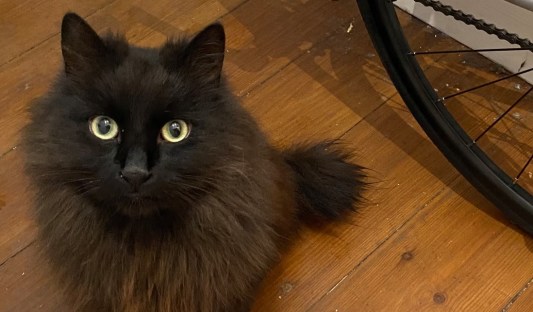
The Guardian’s Hannah James Parkinson writes about adopting Miles, the shelter’s most skittish cat who had been passed over time and again until she came along.

Earning Miles’ trust wasn’t easy, but Parkinson did it with time, patience and love, and eventually Miles became her little buddy and even came out of his shell enough to make friends with another neighborhood cat.
milesthecat
Credit: Hannah Jane Parkinson

Unfortunately Miles got hurt, infected and died while he was outside overnight. Parkinson doesn’t say if the little guy got hit by a car, but the description of his initial injury is consistent with it.

The indoor vs outdoor thing is a thorny issue. I saw it as a more black-and-white problem until hearing from several readers who live in places like farmland or very quiet neighborhoods where the chance of a cat getting hit is small.

I don’t begrudge anyone making what they think is the best choice for their cat(s), except maybe for Australians and New Zealanders. Seriously, guys, bring those cats in before sadistic “hunters” get them in their crosshairs or they nibble on the poisoned meat that both governments like to use to “manage” the cat population. Neither country seems overly concerned with pet cats getting caught up in their zealous extirpation campaigns, and when birders are this riled up it’s best not to take chances anyway. If your cat isn’t spending time outdoors, it can’t be blamed for killing local wildlife.

I love dogs, but…

The Daily Mail has a horrific story about a pair of unleashed rottweilers that followed a woman into her home as she was carrying groceries and mauled her two pet cats to death in front of her traumatized children.

The attack happened around noon on Aug. 30 in a small town in the UK’s Western Midlands. The dogs came bounding in and snatched one of the cats off the kitchen counter, then mauled the other. The ginger tabby died immediately, either from shock or his severe injuries, while the other lived long enough to make it to the vet, who said the little tuxedo couldn’t be saved.

The woman told the newspaper her kids are having nightmares about the attack, while the police response was underwhelming to say the least, especially because the cats weren’t the only animals attacked by the roaming rottweilers.

“We were called to Raglan Way, Chelmsley Wood (on August 30) to reports of two dogs attacking another dog. The injured dog was taken to the vets to be treated,” a police spokesman told the paper. “The owners of the two dogs were spoken to and were taken back home to be secured by the owners. We have asked neighbourhood officers to speak to the dog’s owners regarding securing the animal, and will consider any further steps that need to be taken to ensure public safety.”

The owners of the dogs “were spoken to.” Wow. Let no one say the West Midlands Police don’t have a sense of scale. Perhaps if it happens again they’ll send a stern letter.

I hope the resulting media stories, and the beginning of the attack caught on a home security camera, lead to enough pressure that the police take the incident seriously and the owners of the dogs have to face consequences. There’s nothing prohibitive about talking to them. The only way irresponsible people are going to leash their dogs, especially dogs capable of this kind of thing, is if the consequences for not doing so are sufficiently prohibitive to make them think twice.

Finally, here’s a video of a cute baby kookaburra to balance out all that horribleness:
Hilarious News Report Claims ‘Black Pumas’ Are Rampaging Across The UK

Big cat sightings across the UK have a lot in common with UFO sightings in the US.

Shhhhh!

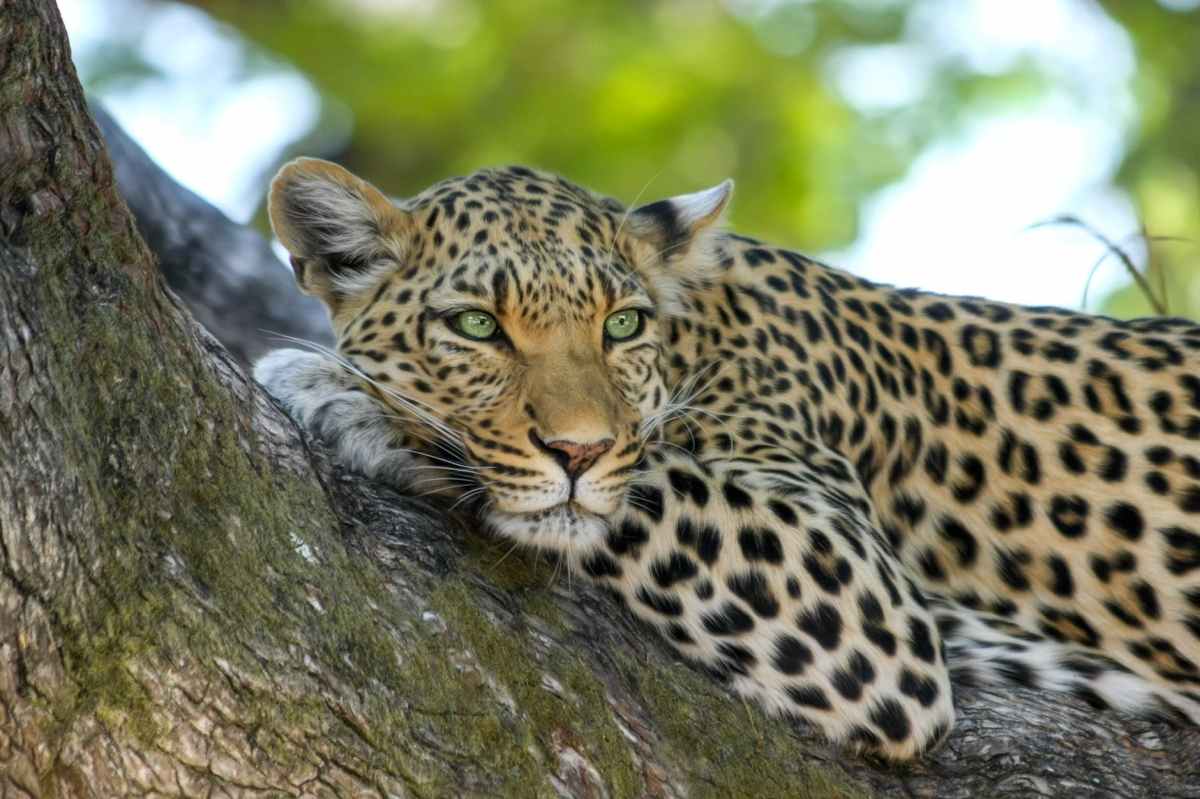
No one tell NewsCorp that “black pumas” don’t exist, pumas are native to the Americas, leopards are native to Africa and Asia, and a “black panther” is a color morph, not a species of cat.

A story from Fox News — prompted by a similar story in the UK’s Sun, part of the same Rupert Murdoch-owned media conglomerate — claims the British are “unnerved” by an “uptick” in sightings of cryptid big cats. The mysterious creatures are supposedly running rampant in the British countryside and in the suburbs, according to the article, which identifies them as black pumas, black panthers and black leopards.

Oddly, the story says the sightings are up significantly because there have been three “big cat” sightings in October, immediately before informing readers there are 2,000 such sightings in the UK every year.

Little Buddy and I are not exactly known for our math skills, but 2,000 sightings a year works out to 167 sightings per month, which is a lot more than three. Fifty five times more, in fact. So the story should really be about a dramatic dip in phantom big cat sightings, shouldn’t it?

What evidence does the Fox report cite for its breathless claim about big cats taking over the UK? A pair of grainy security camera videos, including one showing a “big cat sighting” at night, and the word of a “big cat sighting expert,” alternately called a “countryside expert” in other media reports, who by the way happens to be hawking a documentary on the sightings.

“It’s a crucial issue,” self-described wildcat expert Rick Minter told The Sun. “How do we come to terms with living alongside big cats in Britain?”

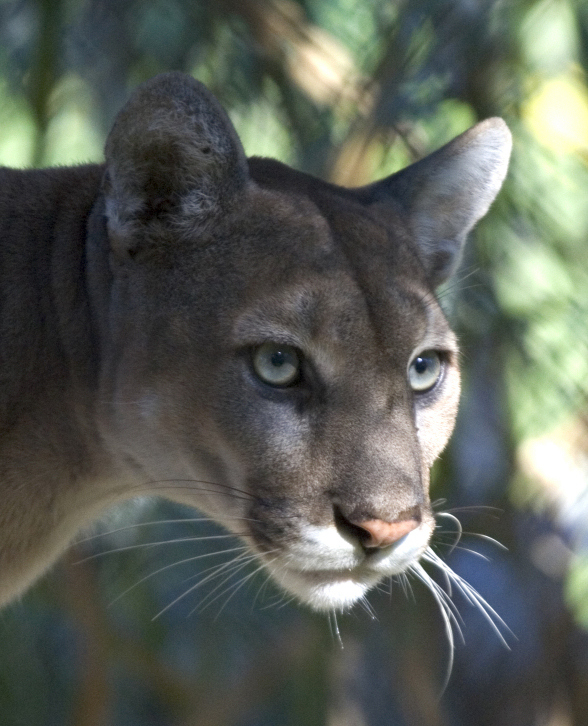
Puma
Pumas, also known as cougars, mountain lions, panthers and catamounts, are native to the Americas. Credit: Wikimedia Commons

For readers unfamiliar with the highest echelons of reputable journalism, The Sun is the UK’s foremost bastion of trustworthy reporting, a tabloid par excellence whose editorial staff are known for breaking stories about “crazed werewolves” and immigrants barbecuing the late queen’s swans when they weren’t running topless photos of models on Page 3. The Sun is owned by NewsCorp, the parent company of Fox News.

As for the two pieces of footage, one is the aforementioned blurry mess recorded by a home security camera at night, and shows a few frames of a cat’s behind and a tail as the felid walks out of the frame. The other is a blurry clip the credulous claim depicts a large cat feeding on a sheep. There’s no indication the figure is a felid of any type.

As far as we’re concerned, there are a few possible explanations for the sightings:

They’re former pets

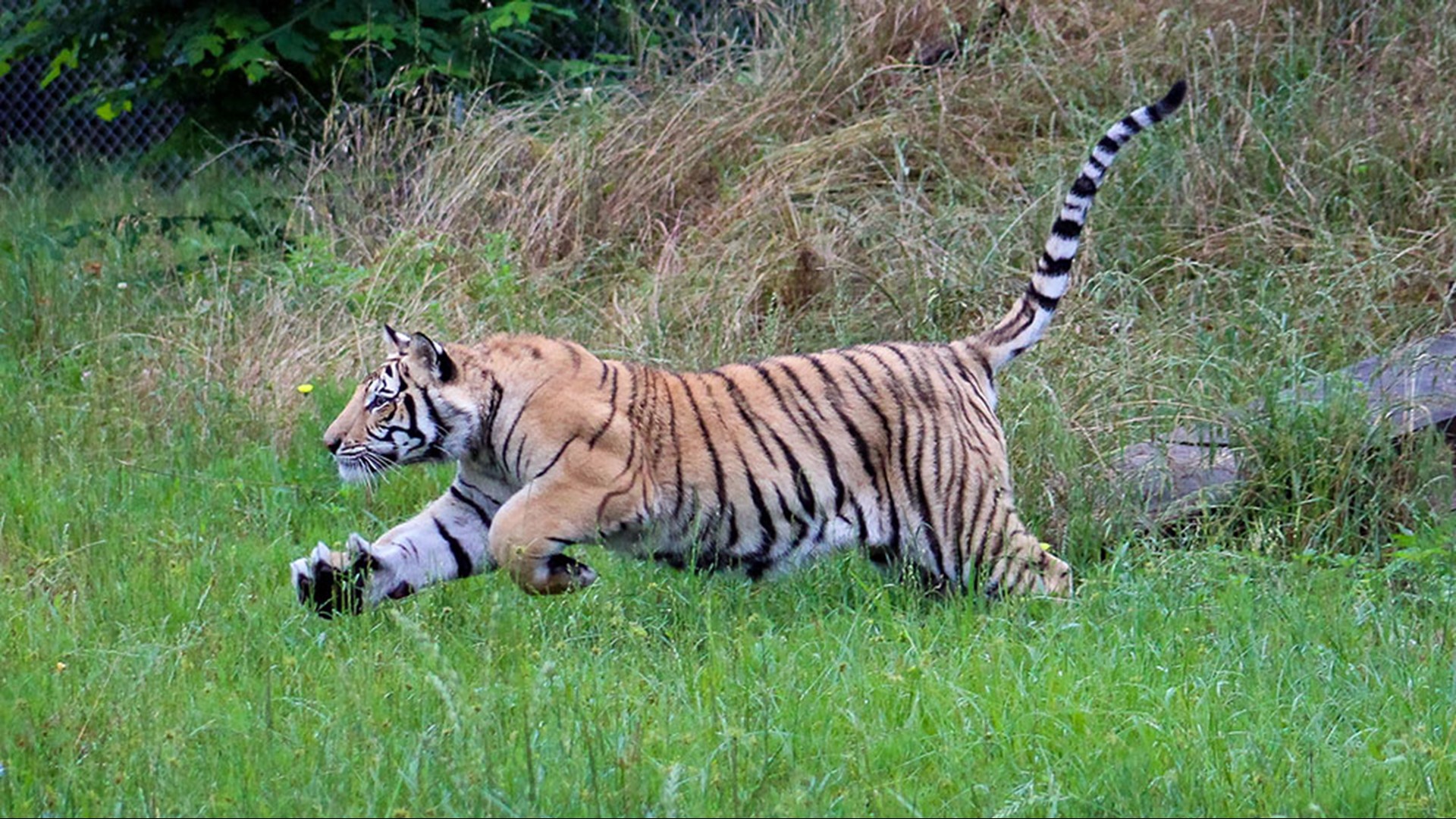
India the tiger
India the tiger was found wandering the suburbs of Houston in 2021. In this photo, he’s enjoying life in his sanctuary’s large enclosure where he’s got plenty of room, stimulation, toys and even his own rock pool.

If there are indeed big cats roaming the British countryside and suburbs, they would have to be former pets of people who acquired them on the illegal wildlife market, broke the law by “importing” them into the UK, then broke several additional laws by keeping them as pets until the cats quickly grew and the owners realized keeping them is untenable.

Such situations aren’t unheard of, obviously, but they can’t account for a dozen big cats on the loose at any one time, much less more than a thousand as Minter claims.

More importantly, big cats who are taken from their mothers as days-old cubs, sold as pets and later dumped are universally confused, terrified and unable to fend for themselves. They end up roaming suburbia in broad daylight, like a nine-month-old tiger named India who was spotted wandering around the outskirts of Houston in 2021, sniffing out potential food in garbage cans because they don’t know how to hunt.

If these phantom big cats were former pets, they’d be spotted, captured and taken to sanctuaries within a matter of days.

They’re small wildcats formerly native to the area, like the Eurasian lynx

The problem is, the Eurasian lynx was extirpated from the UK about 1,400 years ago. There have been debates among conservationists about reintroducing wild populations to the British countryside — and to Ireland — but no concrete plans as of yet. Proponents say the lynx could be beneficial, keeping deer populations level without major human intervention.

Eurasian lynx adults can grow to about the size of medium dogs, so it’s possible they can be mistaken for “big cats” in blurry video, especially when perspective and/or lack of other objects makes it difficult to place their actual size in context. However, as with big cats, any Eurasian lynx spotted in the UK are likely to be former pets.

They’re housecats

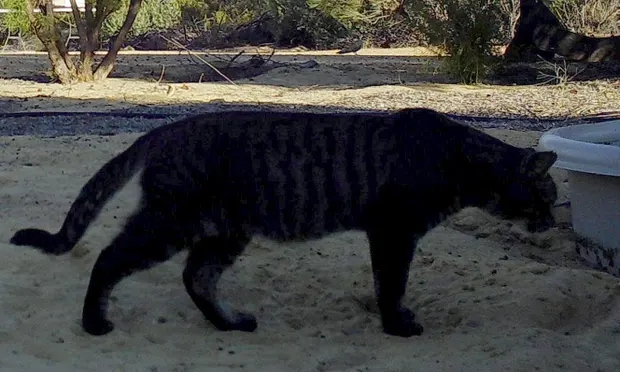
bigkitty
This feral cat, a plain old member of the felis catus species, was repeatedly mistaken for a big cat in western Australia back in 2018.

If witnesses in the UK are mistaking house cats for big cats, they wouldn’t be the first.

Stories abound of little cats prompting “big cat” sightings, from Vancouver (a Savannah cat) to Scranton, Pa. (a missing house cat), to San Jose (a Maine Coon) and even Australia. (A feral cat.)

One wildlife ranger in Australia became so annoyed with fielding frequent big cat reports that he implored people to educate themselves.

“People need to get over the idea the cats are panthers,” wildlife ranger Tim Gilbertson told Australia’s ABC news. “It is just not on. They are big feral cats, at least 50% bigger than a house cat and they are powerful.”

The usual issues are in play here: Fuzzy security camera footage, night sightings, confused witnesses. You’d think there would be more phantom big cat sightings in the US, since pumas can grow to the size of jaguars and could be mistaken for lions, but people who live in areas where pumas range tend to know they’re around and what they look like. They’re also the definition of scaredy cats, reluctant to let humans spot them or get anywhere near them.

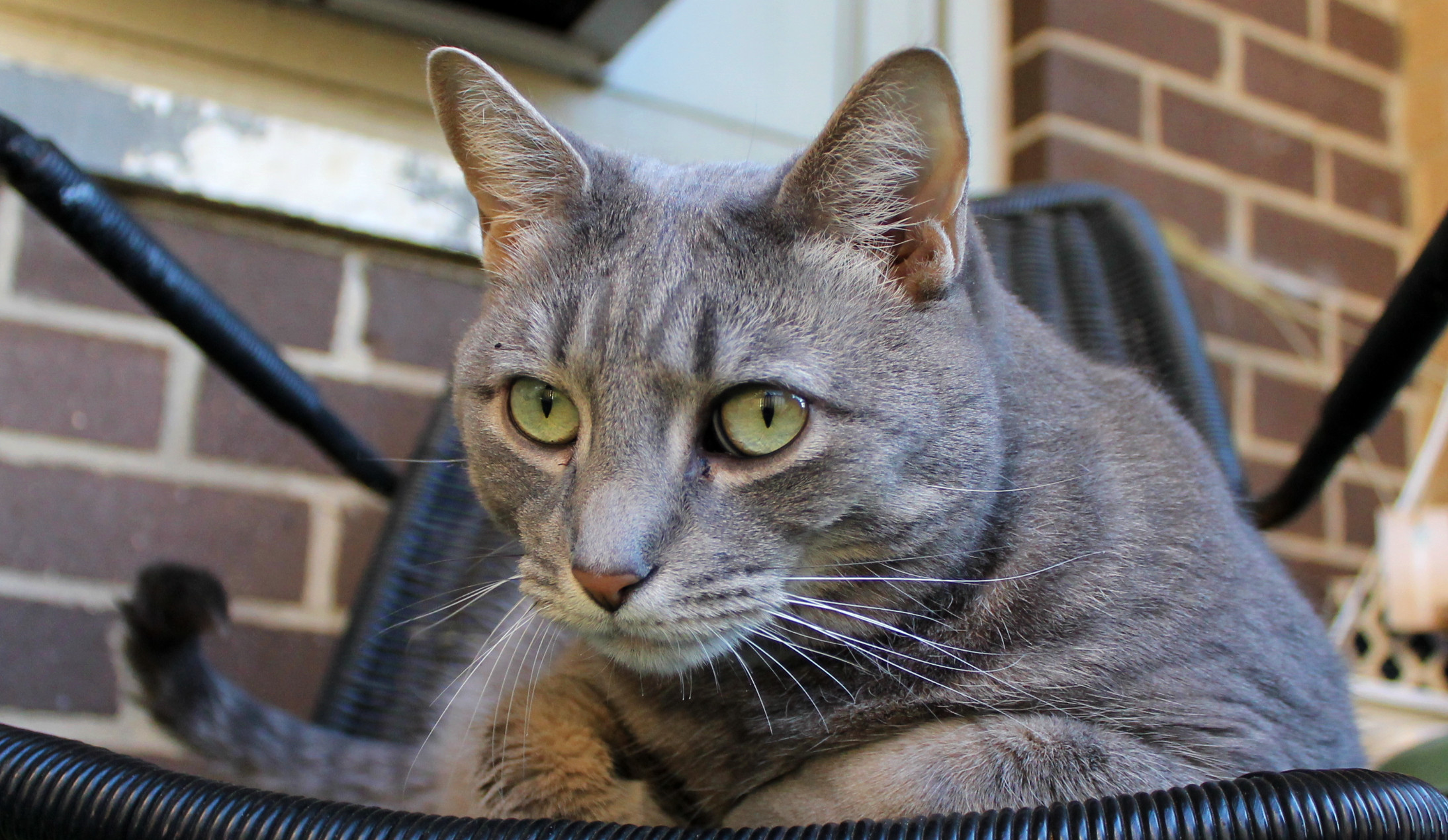
Buddy
Frequently mistaken for a tiger: Buddy the Cat.

Ultimately, witness reports count don’t count for much, and not just because memory is malleable.

Thousands of people have reported seeing Bigfoot, chupacabras, the Jersey Devil and the Loch Ness monster, but those creatures are all firmly in cryptid territory.

There’s Occam’s Razor, and there’s common sense: For a primate species like Bigfoot to exist, for example, there would need to be a breeding population, enough prey for the creatures to feed themselves, and someone somewhere would have found remains at some point. (Bigfoot sightings go back to the days before Columbus set foot on New World shores, but it’s only been in the last century or so that the cryptid has entered the popular imagination via folklore and media.)

Likewise, if there are indeed 1,000 big cats prowling the British countryside, as Minter claims, there would be a breeding population, ubiquitous tracks and the remains of prey animals killed in ways consistent with big cat ambush techniques. Cats of all sizes are ambush hunters and have a distinct way of killing prey which is unlike other animals.

The UK’s big cat sightings should be treated more like the UFO sightings in the US and particularly around Area 51. They start with a kernel of potential truth — the existence of a secret base to test experimental military aircraft, or the possibility that big cats who were former pets have been let loose — which leads people to consider the possibility, then when they see something they can’t easily explain, they reach for the exceptional.

But as Carl Sagan famously said, exceptional claims require exceptional proof, and it’s no accident that things like UFOs, cryptid primates and phantom big cats only appear on the grainiest, blurriest and darkest footage.

My money is on domestic cats mistaken for their much larger cousins. Maybe Buddy’s been taking some transatlantic flights under my nose. I’ll have a little chat with him about it and ask him to kindly stop terrifying our friends across the pond.