With A Three-Fold Increase in Cat Thefts, UK Chooses Microchip Mandate

With breed cats commanding prices in the thousands, thieves see pet theft as a quick score. Lack of prosecution has made it an almost zero-risk crime in the UK.

Mandates in the wake of COVID-19 haven’t been especially popular with a weary public, but surveys show one proposed directive has almost universal support in the UK: Requiring all cat owners get their pets microchipped.

Cat thefts in the UK have tripled in the last five years, with the pandemic contributing to the increase since early 2020, police say. Authorities say they hope compulsory microchipping — and consolidating the many chip ID databases into one — will help discourage people from stealing while making it easier to reunite felines with their families.

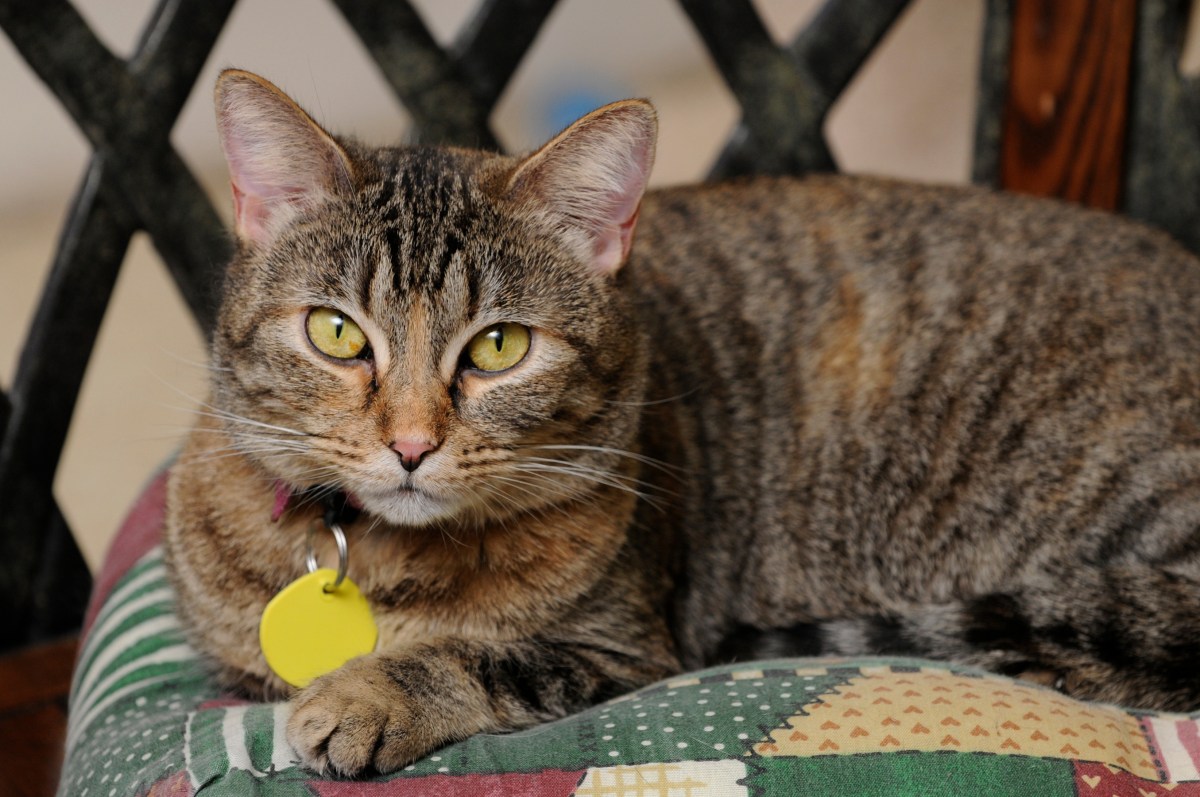
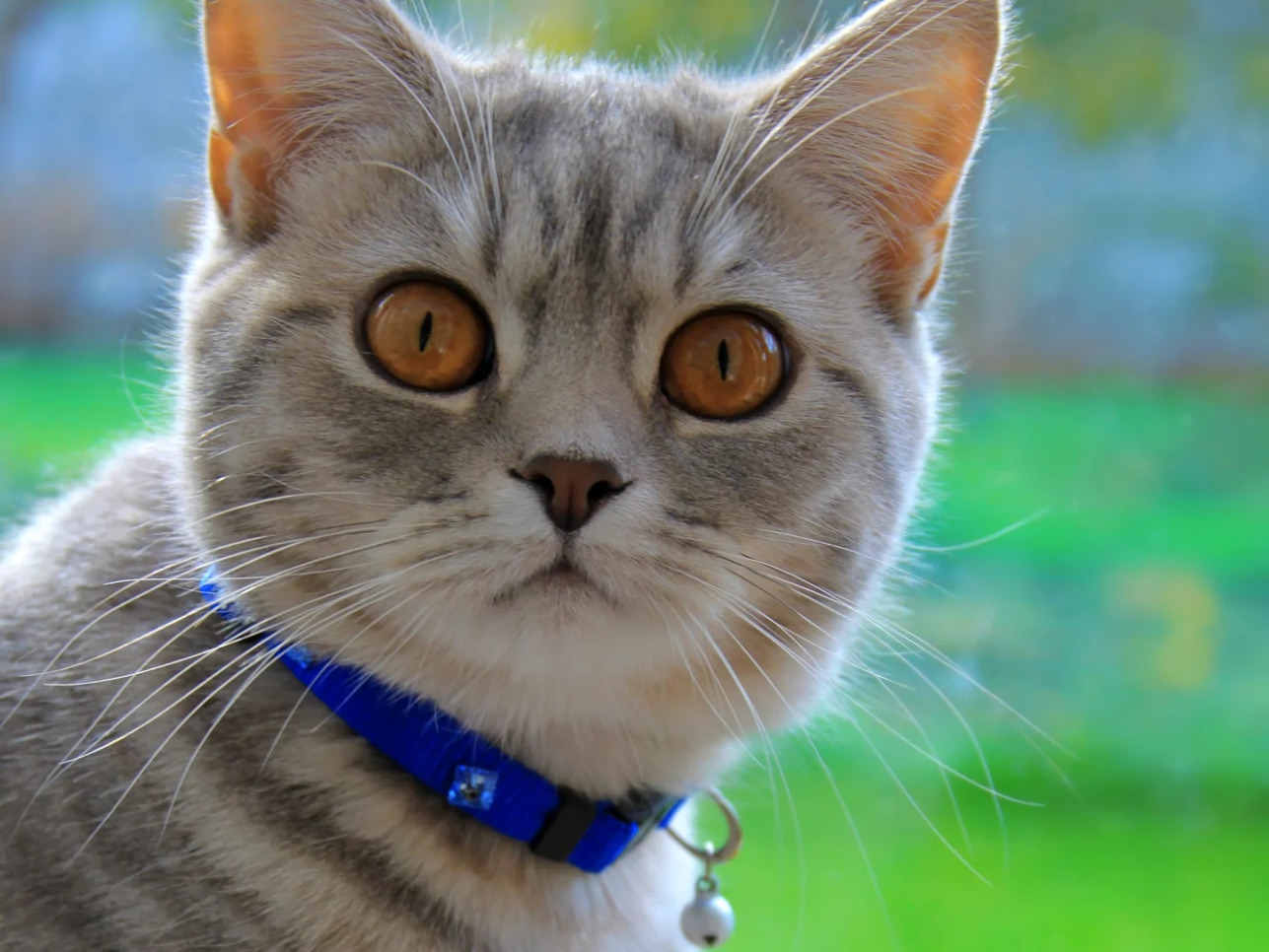
Thieves mostly target pedigreed kitties over moggies, with Bengals as the most commonly-stolen cats, followed by British Shorthairs and Persians, according to police statistics. Thieves try for breed cats because of resale value, police say.

Dog thefts have skyrocketed as well, with thieves targeting Chihuahuas, Jack Russell Terriers and German Shepards, among other popular breeds. The price of breed dogs has ballooned by as much as 89 percent since the beginning of the pandemic, when demand for new pets and a slowdown in breeding created a boom market.

For context, an estimated 3.2 million British families welcomed new pets, mostly cats and dogs, into their homes since the first lockdowns in late winter and spring of 2020, the BBC reported. Like their counterparts here in the States, UK shelters experienced unprecedented adoption rates as people battled loneliness and depression during the initial COVID waves and last year’s long winter when the virus came back with a vengeance.

“The number one reason behind pet theft is because the prices for pets have gone up drastically,” Becky Thwaites, spokeswoman for UK pet charity Blue Cross, told SWLondoner. “This happened exponentially over lockdown, as responsible breeders stopped breeding due to social distancing guidance, but more people were wanting pets.”

Despite the spike in animal thefts, only about one percent of all such crimes have led to an arrest, according to a public information request by a UK animal welfare group. 

Police have been reluctant to pour resources into those cases, partly because the law lacks serious consequences for people who steal animals. While the maximum sentence for stealing a pet is seven years in jail, under current UK law sentences are pegged to the value of the stolen item. (Unlike the US, the UK does not make a distinction between prison and jail.)

But for people who love their cats, it’s not about the monetary value — it’s about sentiment, love and the distress to human and animal when they’re separated.

Abductions instead of thefts

To change that, a new pet theft task force — set up earlier this year to study the growing problem — recommended a change in the law. Instead of treating pet thefts as property thefts, under the proposal they would be treated as abductions, with all the increased charges and consequences that come with the classification.

Treating animal thefts as abductions “acknowledges that animals are far more than just property and will give police an additional tool to bring these sickening individuals to justice,” UK Home Secretary Priti Patel told the BBC.

Advocates say treating pet thefts as abductions makes sense not just as a legal adjustment, but also as a reflection of the way cats and dogs are stolen. While some thieves stalk dog parks and lure pets away with treats, others have taken to more brazen and violent means like taking animals by force and jumping people while they’re walking their dogs.

The change would require owners to have their kittens chipped by 20 weeks and adult cats chipped upon adoption from a shelter or rescue.  Failure to microchip a pet would result in a warning and a three-week grace period. After that, cat owners would face a steep fine of £500, equal to $660 in USD.

Consolidating chip databases

There are about 10.8 million pet cats in the UK, although widespread chipping alone won’t solve the problem of pet thefts and lost pets flooding shelters. There are currently 16 different microchip databases in the UK. They don’t always share information and scans don’t cover each of the databases, so even if a cat is recovered, brought to a shelter and scanned, there’s no guarantee the kitty will be returned home.

The existence of so many non-cooperating databases operated by private companies “can pose a huge barrier to successful reunification of pets” said the British Veterinary Association’s Malcolm Morley.

UK authorities and the animal welfare groups pushing for the change are cognizant of the problem and want to streamline the 16 existing database into one central repository of cat microchip registration. That will take time and will have to include compromise on the part of the various private companies running the existing fractured databases.

“Every day, we see how important microchipping is for cats and for the people who love them,” said Pet Protection’s Jacqui Cuff, “whether it’s reuniting a lost cat with their owner, identifying an injured cat, or helping to ensure an owner can be informed in the sad event that their cat has been hit and killed by a car.”

Florida Woman Reunited With Lost Cat [UPDATED]

The SPCA says it has already agreed to adopt the cat to another family and won’t reunite her with her original owner.

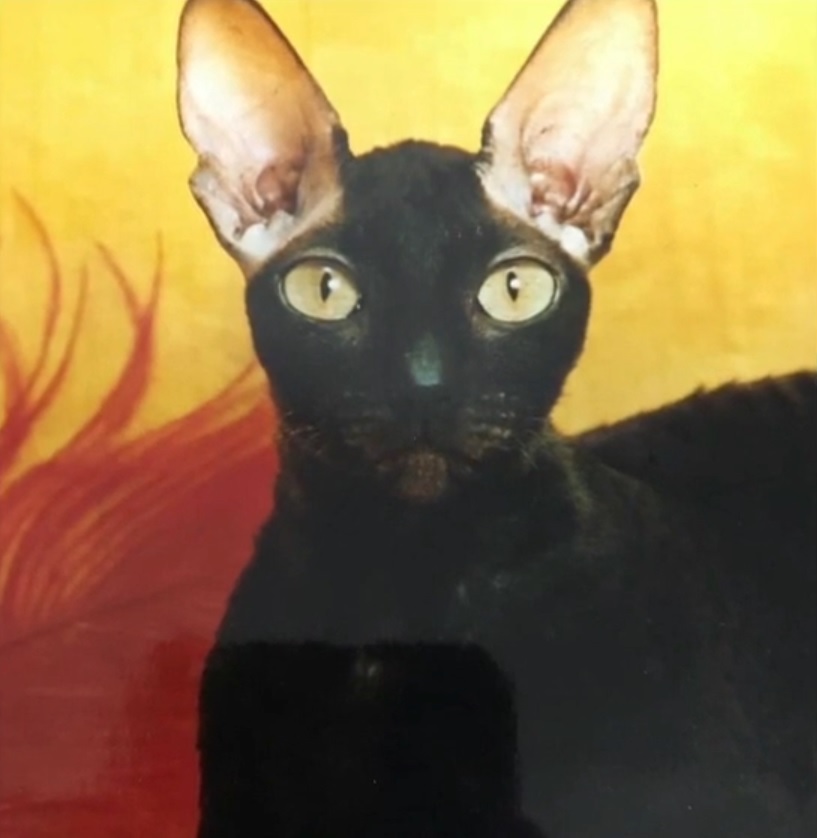
UPDATE: Charlene High was reunited with her cat, Donna, after staff at the Humane Society were able to work out a solution between her and the New York family that was going to adopt the 5-year-old Cornish Rex.

Little Donna went missing in February when contractors were installing a wheelchair ramp in High’s home and she got spooked as so many cats do, running out of the house.

She was found on March 14 and brought to the Humane Society of Highlands County, where staff held her for the mandatory five days before listing her for adoption.

In the meantime, High — who had been calling around to local shelters, posting Donna’s photo online and looking for her in the neighborhood — saw a social media post about a cat who had been found. The staff at the Humane Society named her Karena, but she was High’s Donna, and High said she was “ecstatic” her kitty was alive.

High and Donna couldn’t be immediately reunited, however. A family from New York had filed adoption papers for Donna and were planning on driving down to Tampa to pick up the cat.

Staff at the Humane Society worked to find a solution for everyone involved.

“We had to do some backchanneling and talking to the adopters and trying to find a solution with the adopters while also talking to Ms. Charlene,” said Sara Olivero, a staffer at the Humane Society of Highlands County. “We’ve had to do a lot of shuffling, a lot of phone calls, a lot of phone tagging.”

Ultimately, Donna’s would-be adopters agreed that she should be returned home, and will adopt a kitten instead, Olivero said. Donna was spayed, given a day to recover at the shelter, and was reunited with High on Tuesday.

“Ms. Charlene felt bad. The situation was bad to begin with,” Olivero said. Thankfully the solution was satisfactory to all and “every party is happy” with the outcome.

A Fox13 Tampa Bay (WTVT) story about the situation was aired and published to the web on Monday after the resolution, but presented the story as if the dispute was ongoing in addition to including several errors of fact.

We contributed to the flow of misinformation by linking to the WTVT story 11 hours after it was published, a practice called aggregation, and added our own commentary based on the misinformation. We got burned, and the result was presenting an inaccurate and outdated account of events to our readers.

We regret the error and promise to do better in the future. We’re glad the Humane Society found a satisfactory solution in a difficult situation, and we’re glad that Donna the cat has been returned to her original home.

donnathecat
Credit: Charlene High


Does Your Cat Tolerate A Collar?

Some cats don’t tolerate collars, clothes or costumes.

Even indoor cats should wear collars, according to a pair of veterinarians who spoke with PopSugar.

Megan McCorkel, a veterinarian who writes for Better With Cats, said collars can make a difference if the unexpected happens and your cat gets outside:

While it might not seem as necessary to put a collar on an indoor cat as an outdoor cat, accidents can still happen, Dr. McCorkel said. Even indoor-only cats can venture out of the house unexpectedly. However, because indoor-only cats don’t have the street savviness of outdoor felines, they might be in a bit of panic when they first get out, she explained. Luckily, a collar helps people realize that your stressed-out kitty doesn’t belong outside, prompting them to return your lost cat home safely and quickly. “I think of a collar on an indoor cat like an insurance plan,” Dr. McCorkel said. “I hope I don’t need it, but when I do, I’ll be glad it’s there.”

The last time I tried to put a collar on Buddy was six years ago, and he was miserable with it on. At the time I tried the gradual approach, leaving it on him for short spurts and giving him extra treats and praise when he had it on.

Eventually I left it on Bud for the better part of a day. He whined and cried and never forgot it was around his neck.

Finally he managed to contort himself so he could get a hind paw underneath the collar and pull on it with his front paws. He trilled with anticipation, sliding it up his neck toward his ears — then lost his grip, and the collar snapped back like a rubber band.

I will never forget his shriek of unmistakable frustration in that moment. I knew he was miserable, and I took the collar off immediately.

Screenshot_2020-12-05 Cat-wearing-a-collar-Vets-Now webp (WEBP Image, 1333 × 1000 pixels) — Scaled (96%)

Right now I’m not worried about him getting outside because I live in an apartment building, meaning Bud would have to get through three or four sets of doors, and primarily because he wants nothing to do with the outdoors. As an indoor cat, Buddy gets overwhelmed by the sights, sounds and smells outside, and that’s when he’s on his harness with me as his safety blanket. He enjoys sunbathing on the balcony, but he won’t even step out there unless it’s a perfect 75-degree day.

I’ve made the determination that it’s not worth making him suffer. That could change in the future when my living circumstances are different.

What about your cats? Do they tolerate collars? Do you think they’re necessary?