Woman Fined $130 After Her Cat Meowed ‘Too Loudly’ On Train To Paris

The Europeans aren’t messing around when it comes to noise on public transportation, and a loud pet can cost you.

Note to self: Never take Buddy on a French train, unless I want to be out a few hundred bucks by the time I reach my destination.

That’s my takeaway after coming across this story about a woman who was fined €110 (about $130 in ‘Merican dollars) by the French National Railway Company after another passenger complained that her cat was causing “acute tensions” by vocalizing.

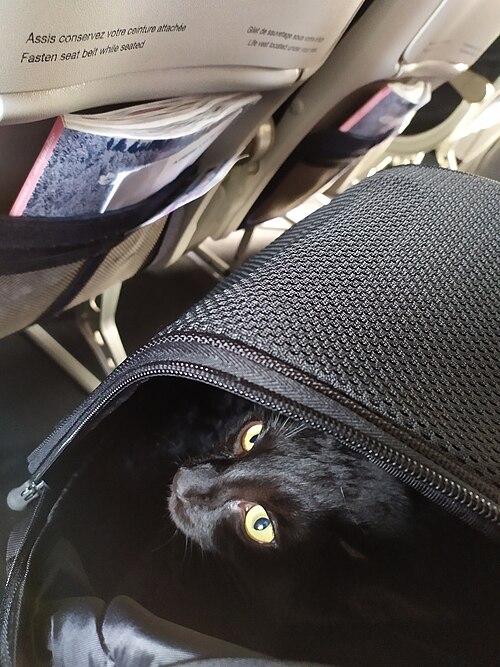
Naturally, the passenger and the railroad have two different versions of events. Camille, who was identified only by her first name, said she’d purchased a ticket (about $8) for her cat, Monet, and had the feline in a carrier for the trip from Vannes, Brittany, to Paris, per railroad rules.

Monet “meowed a bit at the start” at the beginning of the journey, Camille admitted, but wasn’t excessively loud.

Buddy the Cat, a gray tabby cat, with a synthwave background.
“Loud? I’m merely expressing my displeasure with the level of service around here!”

Railroad operators said there were multiple complaints, not just one, and claimed a conductor asked Camille and her boyfriend, Pierre, to switch to a mostly-empty car as a compromise with other passengers.

A conductor ticketed Camille when she declined the “simple and common sense solution,” according to French broadcaster BFM.

I’ve joked in the past about sedating the Budster before flights so the other passengers won’t toss him out at 40,000 feet, but there’s truth at the heart of it: Buddy is a naturally chatty cat, he’s got strong opinions, and he doesn’t hesitate to share them with anyone.

Of course you don’t want your companion animal to create a scene or make other passengers uncomfortable. I still wince when ai think about the woman who forced fellow passengers to endure the smell, proximity and potential defecation of her “emotional support horse,” and when people began abusing the privilege of going places with emotional support animals (emotional support alligator, anyone?), it was only a matter of time before companies that operate common spaces — be they in a fuselage, a baseball stadium or a grocery store — tightened the rules to avoid conflict.

Still, unless the cat was wailing, or Camille really did refuse to switch seats, a $130 fine is excessive.

Just something to think about for those of us who have plans to travel with our cats.

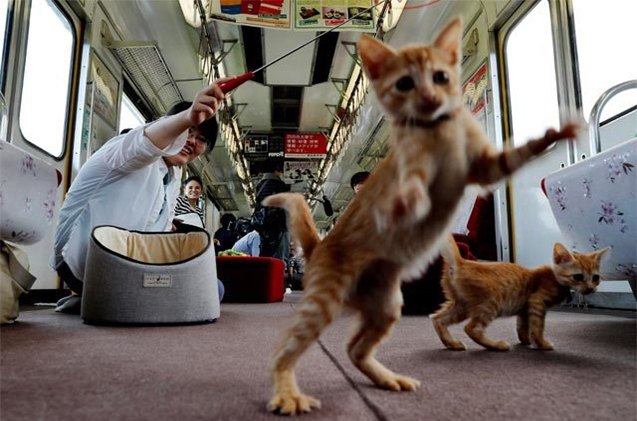
Header image of a cat cafe train car in Japan, credit: Wikimedia Commons

Breastfeeding A Cat On An Airplane Pt. III

“She’s not showing you her baby because it’s a cat. A feline! A house pet!”

I’m just going to present this here without comment, because nothing I can say can possibly make this any better than it is. If you’re unfamiliar with the original saga of breastfeeding cats at 40,000 feet, read our previous post here.

Watch the four parts from top to bottom in order:

And to think, I was ready to write another post about how Americans are all going crazy on planes. 🙂

UPDATE: Airline Investigates Cat Breastfeeding Incident, Flight Attendant Speaks Out

There have been more than 5,000 confrontations involving unruly passengers on airlines in 2021, on pace for more than all other years combined.

When we first heard about an airline passenger grossing out her fellow travelers by breastfeeding her cat, we figured at least kitty was happy with the situation — but apparently not, according to a flight attendant who was involved in the incident.

Instead of purring and kneading in a milk coma, the cat — likely a Sphinx — wanted nothing to do with feeding from the woman’s breast on the flight in late November, flight attendant Ainsley Elizabeth said.

“This woman had one of those, like, hairless cats swaddled up in a blanket so it looked like a baby,” Elizabeth said in a video about the incident. “Her shirt was up and she was trying to get the cat to latch and she wouldn’t put the cat back in the carrier. And the cat was screaming for its life.”

“What does she do at home if she’s doing that in public?” Elizabeth asked. “And then security met the flight just to tell her that she couldn’t do that again, cause it was weird and gross.”

Elizabeth has since deleted the social media account she used to upload the video.

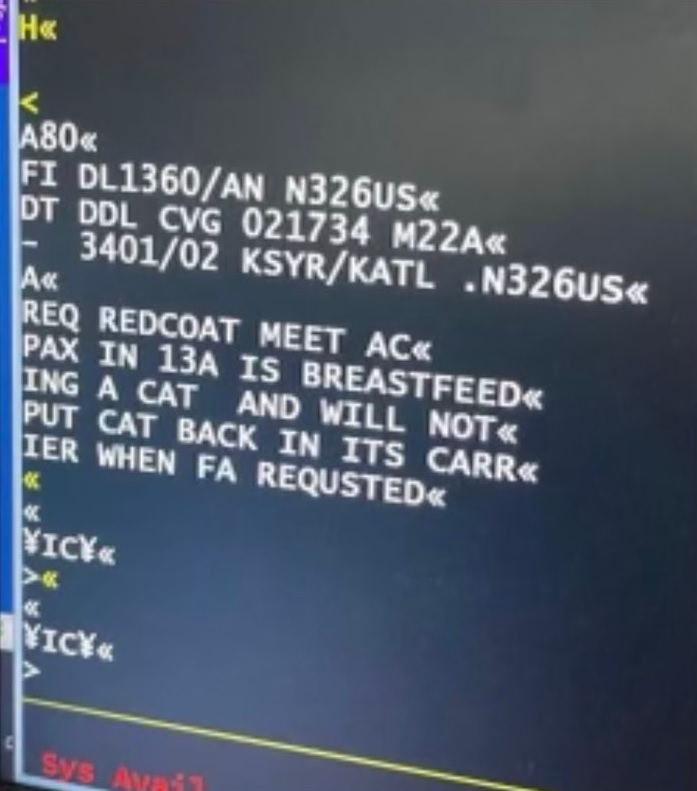
As we noted in our earlier post, the woman was uncooperative when flight attendants asked her to stop, prompting the pilot to send a message ahead to the destination airport via ACARS, short for Aircraft Communications Addressing and Reporting System.

acarscat
An ACARS message sent from Delta Air flight DL1360 to ATL, Hartsfield-Jackson Atlanta International Airport.

The bizarre incident happened aboard a Delta Airlines flight from Syracuse, NY, to Hartsfield-Jackson Atlanta International Airport in Georgia.

Meanwhile, Delta airlines has begun an investigation into the Great Breastfeeding At 40,000 Feet saga, after the incident went viral last week and garnered headlines around the world — including newspapers in the UK, Australia, New Zealand and dozens of non English-speaking nations.

Initially the passenger was reprimanded, but an investigation could result in more serious consequences, like a ban on using the airline.

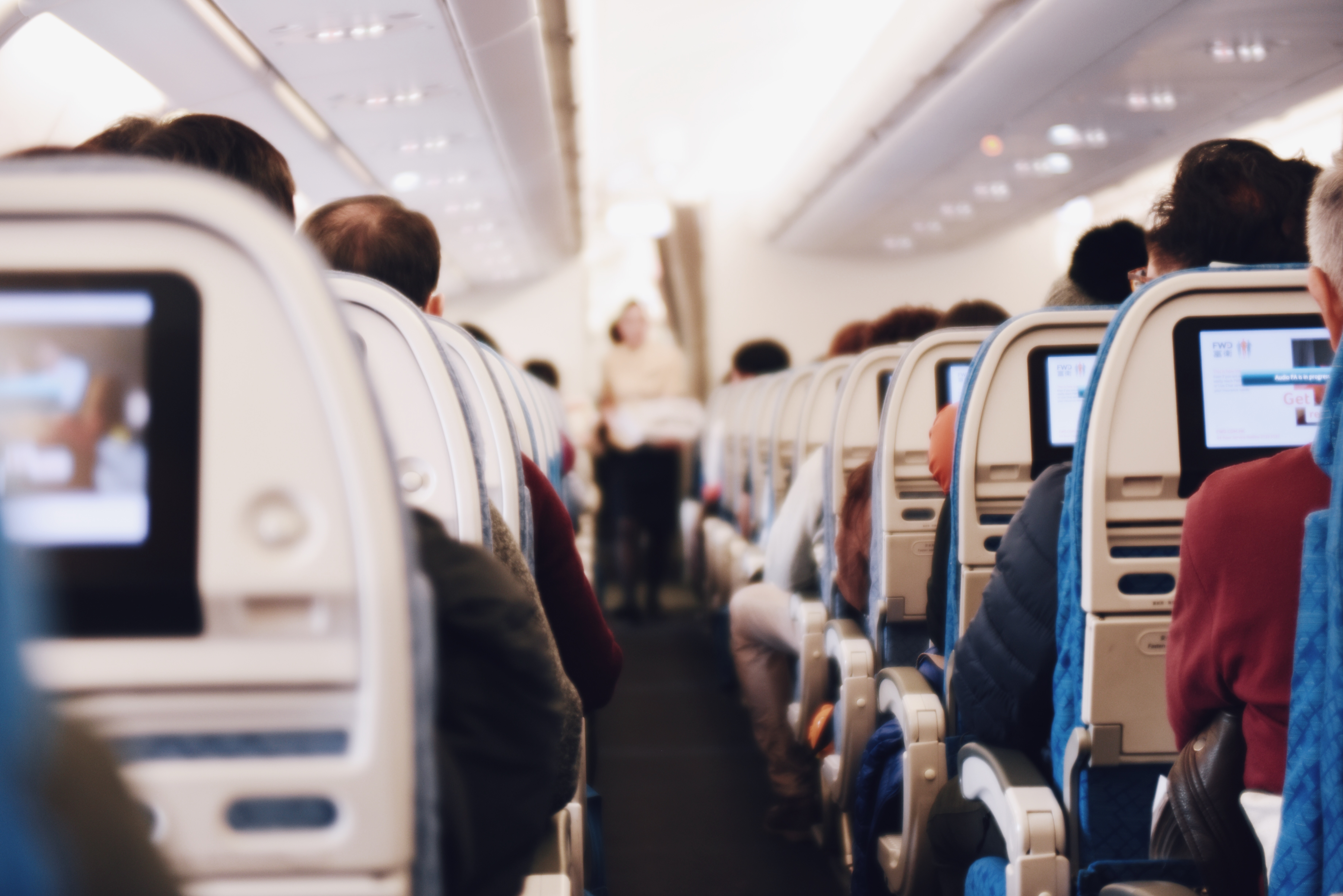
Airline aisle during flight
In-air confrontations have skyrocketed in 2021, mostly due to disagreements over COVID-19 safety rules such as wearing masks. Credit: Wikimedia Commons

The story comes amid a general surge in violent attacks and tense confrontations aboard passenger jets — and now the FBI is getting involved.

As of Nov. 4, the FAA had logged 5,033 cases involving “unruly passengers,” including 37 that were referred to the FBI for criminal prosecution.

That puts 2021 on track for more cases than all other years combined, according to the Association of Professional Flight Attendants. The majority of those incidents — as many as three out of every four — are related to confrontations over mask policies due to the Coronavirus pandemic.

Teddy Andrews, a long time flight attendant with American Airlines, testified before a congressional committee in September, recalling an incident in which a passenger called him the n-word when Andrews asked the man to wear his mask.

“These days I come to work anticipating disruptive behavior,” Andrews told USA Today. “Our colleagues are anxious, fearful. What is going to happen on the next flight? How will this passenger react if I remind them to wear their mask? Will complying with airline policies set them off? Can I avoid engaging, or would that be an evasion of my duties?”