
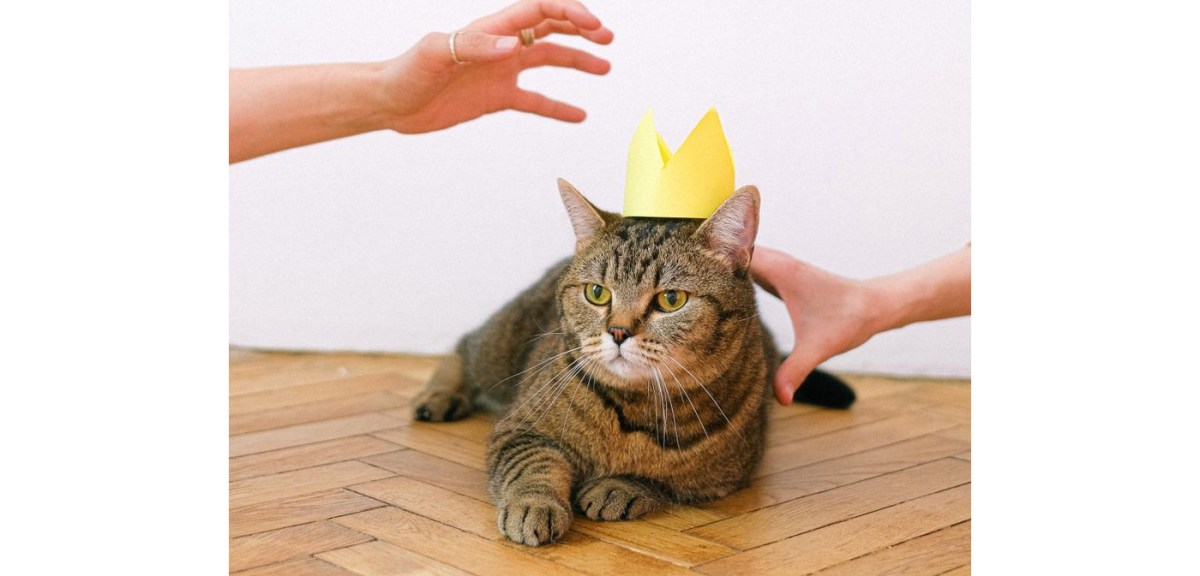
About a decade ago, Americans were adopting almost twice as many puppies as they were kittens, continuing a long tradition of dogs wearing the favored pet crown in the US.
Now households have only .94 puppies for every kitten, according to researched firm Packaged Facts, and it’s not because people are adopting more cats. Instead, people are adopting fewer puppies and dogs.
The reasons are complex but boil down to larger trends in our society. People have less disposable income, live in smaller homes, and travel more. Dogs have to be kenneled or brought along on trips, which presents additional logistical challenges, while cats are rarely taken on short trips and vacations. As highly territorial animals who thrive on stability, cats do better staying at home where things are just how they like them, with familiar sights, sounds and smells.
Yet despite the significant shift in the adoption ratio, the pet products market hasn’t adjusted, Packaged Facts CEO Robert Granader writes in the Washington Post. Most services, including grooming and boarding, are aimed at dogs, as are special retail items, accommodations and conveniences.
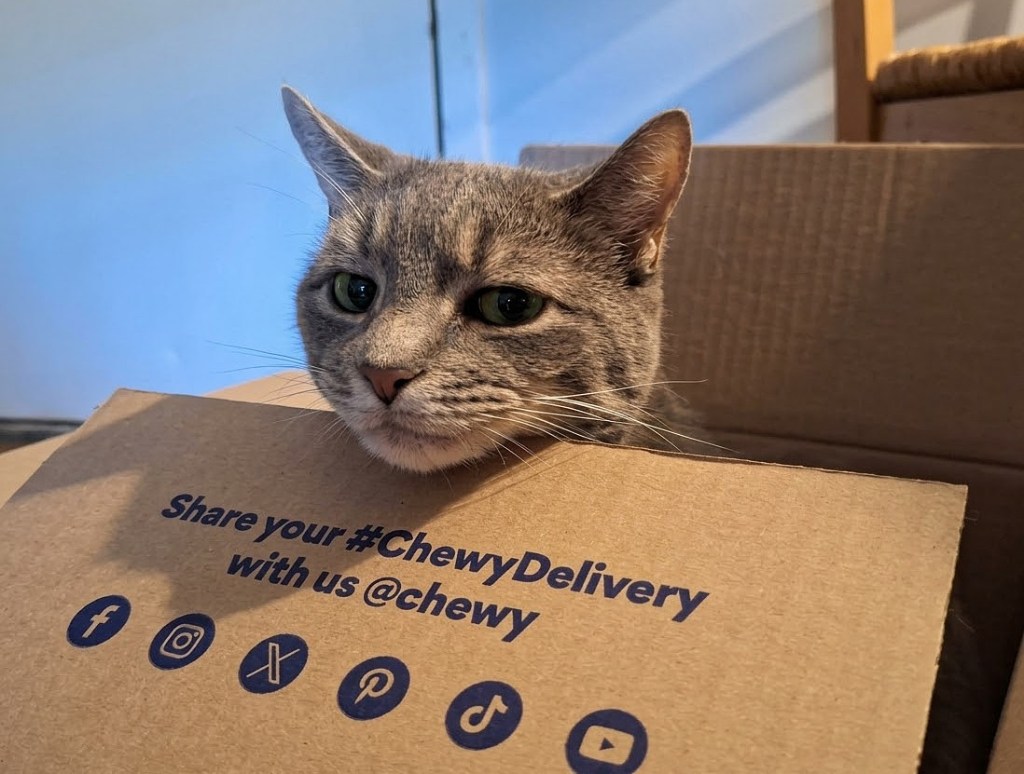
“There are dog parks, dog beaches, dog-friendly hotels, dog-friendly restaurants, dog bakeries and even dog airlines,” Grenader writes. “Cats are largely left out. They get leftover boxes from Amazon deliveries.”
Noting that homeowners are twice as likely to adopt dogs than renters, Granader points to decline home ownership, higher mortgages and stagnant wages as additional contributors to the dog adoption slowdown.
Of course that also means dogs will have fewer opportunities to find homes, and will lead to a ripple effect on shelters and euthanasia rates. Unless economic and societal changes revert, the trend is likely to hold.
“This isn’t a story about cats replacing dogs,” Granader wrote. “It’s about Americans becoming more like cats: living in smaller spaces, valuing independence and preferring to be left alone.”
Of course the story includes common misconceptions about cats. Grenader claims cats are “quieter” and find it “easier to live by themselves.”
“A cat barely notices you’ve left the house,” he writes.
Granader may not have much experience with cats, as those of us whose feline overlords wait by the door for us to return and vocalize regularly can attest the species is not necessarily quieter or less attached. They may pretend they are unbothered by our absence, but that’s feline stoicism and weirdness, not a reflection of reality. The idea that domestic cats prefer solitude is also an old myth.
As for the impact on products, services and choices, the market will go where the money is, and it’ll take a few years for the effects of declining dog adoptions to fully realize in consumer spaces. In other words, don’t expect your local pet shop to switch an extra aisle over to cat gear next time you pop in.
Lastly, we would not rule out the possibility that this is all the result of some feline scheme whose foundations were laid years ago. Cats are remarkably lazy but equally innovative when properly motivated, and they’ve always been sure they should possess the crown.
The photo of Buddy in his new box was taken on Saturday. Looking pretty good for a little dude pushing 13, eh?
Header image credit: Pexels


Here’s a thought. Make laws to stop BREEDING DOGS AND CATS. I recently read a story where they had to rescue 62 DESIGNER dogs where they lived in filth! Just one of thousands of horror stories.
LikeLike
Indeed. A lot of people think they’re going to make lots of money by breeding “pedigree” pets and just end up with too many animals to care for.
LikeLike
You should punch some holes in that box and hang some strings and tape or tie toys at the end. Maybe Buddy woild like it! I do that for some of my cat clients.
LikeLike
Thanks, Gilda. I’ve made them into little forts for him before with doors and windows, which he likes. Tying strings and toys is a good idea.
LikeLike
👍😁
LikeLike
They do sleep 18-24 hours a day, so that’s a kind of solitude
LikeLike
Buddy looks as handsome as always! Being an indoor kitty, you should be able to enjoy many more happy years with him.
Then again, he has always been such a gorgeous boy!
LikeLike
I hope so too. God willing he’s got plenty of good years left. He still looks, sounds and moves like a young cat. I shall pass on your compliments so his head gets even bigger.
“Bud, your readers think you’re very handsome.”
“Mrrrrrrp!”
LikeLike
I think a lot of the kitten vs puppy thing is akin to what one of my inlaws once said, ‘I had a way easier time with my two month old baby, than I had when my two month old puppy.’ A lot of people just plain don’t have the time or the energy to raise a puppy. Once a kitten is eating on their own, and doing the litterbox thing on their own, which can happen as early as the end of their first month (but which usually takes another week or two), they’re pretty much 100% good to go.
LikeLike
I remember losing a lot of sleep when Bud was a kitten. The first two months or so were rough that way, but of course he was a baby. I’m sure puppies are no cakewalk either.
I guess it depends on the animal’s personality, but it’s a strong argument for adopting an adult cat.
LikeLike
I love all animals, but cats are definitely my favorite pets. All pets are intelligent, loving and attached to their pet parents. Our family has had cats for 3 generations and our cats missed us terribly when we were away for some time.
LikeLike
Indeed, cats definitely miss their humans when we’re away, especially when they’re strongly bonded to us. They get a bad rep sometimes but that’s from people who don’t really understand them.
LikeLike
I wonder if there is a similar trend in the UK? The decline in home ownership is replicated here (most young folk just can’t afford to buy into the market), but I don’t know if the link between home and dog ownership also hold true in the UK. Whatever, it’s desperately sad that so many cats and dogs end up in shelters.
LikeLike
In the UK people still adopt more puppies, but there’s a disturbing trend overall toward buying more pets of both species from breeders instead of adopting.
It’s a complex issue and probably best addressed in a post, but celebrity and “influencer” culture is a major cculprit. I know several major UK rescue groups have been sounding the alarm on this for quite a while.
There are indications cats may be gaining on dogs, but interestingly the most popular dog in the UK is the golden retriever, suggesting people aren’t as worried about medium/large dogs and smaller spaces.
That said, with different organizations and different statistical release schedules between our countries, we’re comparing the previous year’s trends in the UK to more recent trends in the US.
I’m definitely going to look further into this, especially the disturbing trend toward buying from breeders, so I’ll keep you posted.
LikeLiked by 1 person
Keeping exotic breeds/pets as status symbols is totally obscene. I’m reminded that in the 13th century our King Henry III had a pet elephant, but it was a gift from Louis IX of France so maybe not entirely his fault. Almost, though…
You should definitely write some more about trends in how people acquire their pets, the breeder v. rescue centre tension. And I’d be interested to know more about the work of the rescue centres. Mrs P and I donate to both cat and dog rescue organisations, and they send us snippets of information to encourage further generosity! We also have a good television show here (“For the love of dogs”) which goes behind the scenes at some dog rescue centres, but there’s nothing similar for cat rescue.
LikeLike
I’ve always been more of a cat person, but if a dog or any animal needs my help and I can help them, I’ll do so regardless of the species. By the way, Buddy looks amazing in that box.
LikeLiked by 1 person