Alabama Women Who Fed And Trapped Cats Found Guilty Despite National Outcry Over Their Arrest

Since there are no laws against trapping, feeding cats or managing colonies, authorities charged the women with trespassing.

Despite widespread condemnation at the arrest and treatment of two Alabama women who were caring for a cat colony, a town judge found the women guilty after a trial Tuesday.

Beverly Roberts, 84, and Mary Alston, 60, were arrested on June 25 after a group of police officers pulled up to a park in three vehicles and ordered the women to leave.

Exasperated at the disproportionate police response — and the non-negotiable demand that they leave a public park during daylight hours — the women protested, and things grew heated when the police told them not to question their authority.

“I’m teetering on going to jail for feeding cats?” an incredulous Alston asked the officers in footage of the arrest, which was released by attorneys representing the women after they fought to obtain it from the Wetumpka Police Department.

Shortly afterward, one of the officers lost his patience when Alston said she needed to collect her traps before leaving.

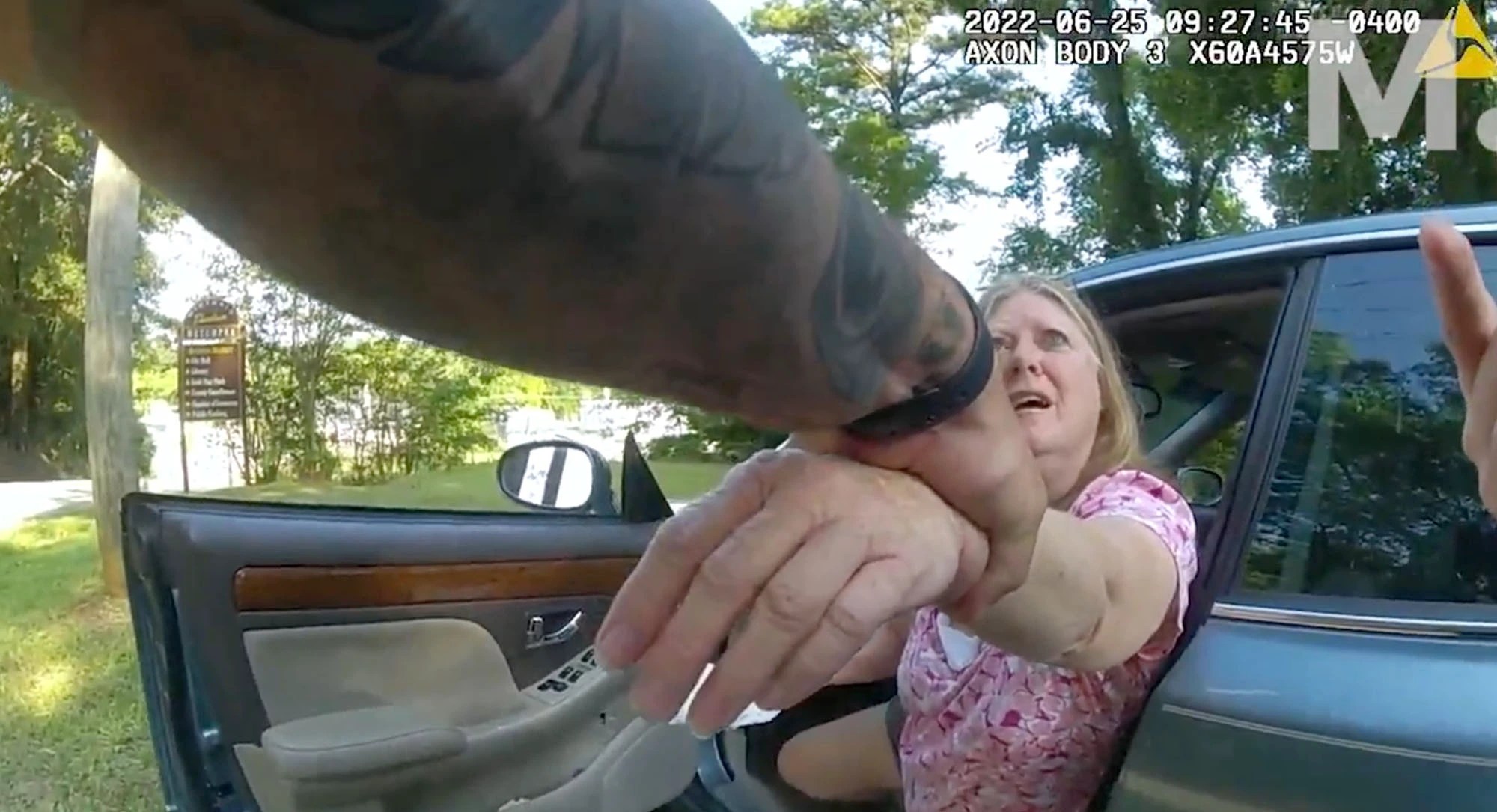
“You aren’t doin’ it fast enough and now you’re going to jail!” he said, grabbing Alston by the wrists and yanking her out of her car.

The two women had tried explaining to the police that they were caring for a colony of stray cats and that they were using their own funds to conduct trap, neuter and return services, a common activity among cat lovers who care for strays and ferals in towns across the country. In most places, the authorities work with volunteers and local rescues, understanding that TNR programs help control cat populations.

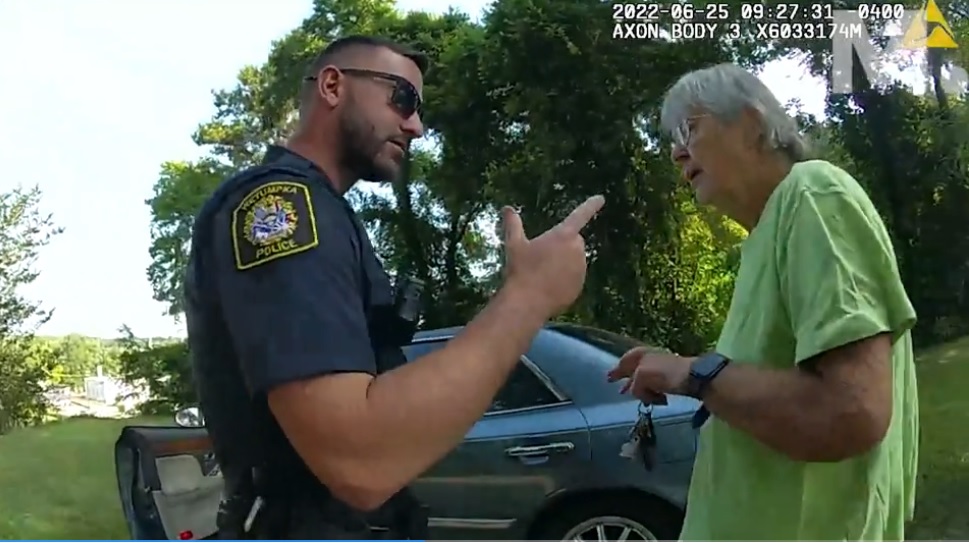
Roberts wasn’t moving fast enough for the police either, and one officer jabbed a finger at her, raising his voice.

“It’s gonna get ugly if you don’t stop!” he said.
Wetumpka cat arrests
A police officer pulls Alston from her car on June 25 before arresting her for trespassing.

Despite complaints from across the country, widespread coverage in local media and national animal-related news sites, Wetumpka Police Chief Greg Benton doubled down on his officer’s response, insisting the cats are a “nuisance” and Roberts and Alston were making the situation worse by managing the colony.

During Tuesday’s municipal trial, it became clear why Wetumpka police had acted so aggressively: They were called by Wetumpka Mayor Jerry Willis, who saw Alston’s parked car near the park and directly phoned the assistant chief of police.

Despite that, and despite admitting he’d had arguments with the women in the past about managing the colony, Willis told Judge Jeff Courtney he didn’t tell the police to respond and didn’t order the arrests.

“They have a right to make those decisions,” Willis said. “I don’t make those decisions for them.”

When attorney Terry Luck directly asked Willis if he’d ordered the arrest or played any part in the trespass order, Willis simply said “I did not.”

However, Officer Jason Crumpton said under oath that the assistant chief told him and the other officers to arrest the women.

After Roberts said, per the Montgomery Advertiser, that she was “not the first person in Wetumpka to feed cats,” merely the first to get caught, Courtney said the women “weren’t convicted for feeding cats.”

“I know,” Roberts said, “because that’s not illegal!”

There are no laws against managing cat colonies or feeding cats in Wetumpka, so police charged Roberts with criminal trespassing and disorderly conduct, and Alston with criminal trespassing and interfering with governmental operations, a charge tantamount to resisting arrest in many states. The charges are misdemeanors. Courtney suspended the 10-day jail sentences that come with convictions at that level and sentenced Roberts and Alston to two years’ unsupervised probation, a $100 fine each and court costs.

Attorneys for Roberts and Alston say they plan to appeal.
 

Sunday Cats: Buddy The Philly Cat Makes A Friend, His Attackers Get A Trial Date

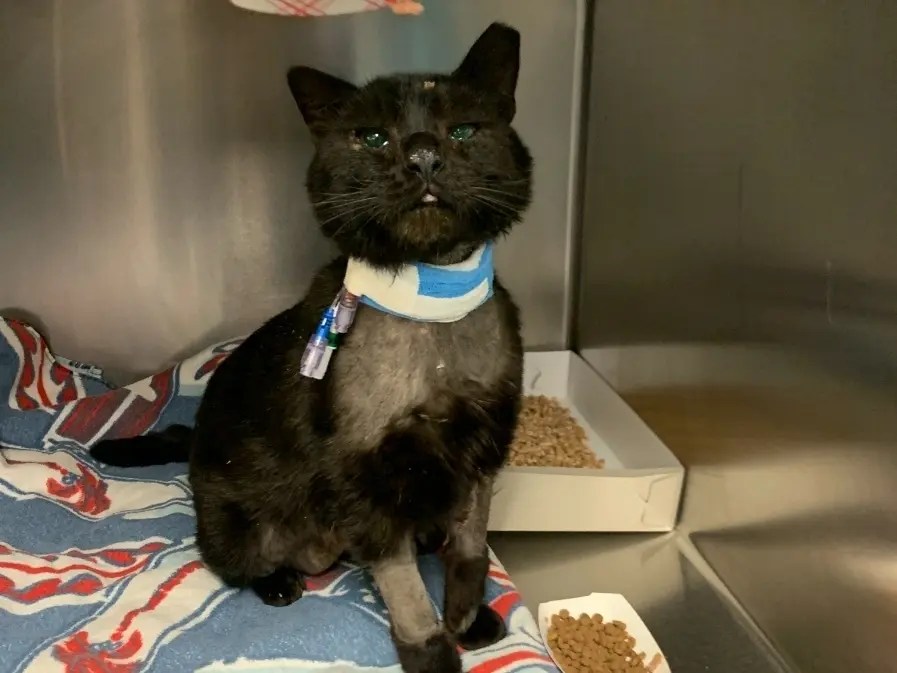
Buddy, the cat who survived an attack by two dogs, continues to recover in a foster home, where he lives with the emergency vet who cared for him after the attack.

Two Philadelphia minors will head to trial in May after they sicced their dogs on a cat sitting on a porch a month ago.

The juveniles, who are 17 and 12 years old, were walking their dogs in Philadelphia on March 22 when they set them loose on Buddy, a black cat who was cared for by a local family but spent most of his time outside. They shouted encouragement as their dogs mauled Buddy on his family’s porch and Buddy would have been killed if the commotion hadn’t drawn attention from inside.

When one of Buddy’s caretakers stepped outside and tried to stop the dogs, the teens pulled their canines back and fled. They turned themselves in to authorities a few days later after the story went viral and they realized the attack was captured by a doorbell camera system.

They each face felony and misdemeanor charges for animal cruelty, inflicting harm on an animal and other alleged offenses. Since they’re charged as minors the court system is not releasing their names, which is common practice in juvenile cases in most states.

Buddy was so badly injured that veterinarians weren’t sure if he’d make it at first. With a lot of care and love, the little guy pulled through the first few critical days and continued to recover until he was well enough to go to a foster home in early April.

His new caretaker is Katie Venanzi, a veterinarian who specializes in emergency care and operated on him that first day when he was brought in to Blue Pearl Vet Hospital by the Pennsylvania SPCA.

“He was kept secluded in one room initially, but now he has a run of the house and he is doing so well with his foster sibling cat Teddy. His foster parents affectionately say they are the two most awkward cats in Philadelphia, but their relationship is blossoming and we hope it continues that way so that Buddy can officially stay in that home forever,” the SPCA’s Gillian Kocher said. “Hopefully in the coming weeks, we will have some additional details and will let everybody know when we can make an official announcement about Buddy’s adoption, but for now he’s doing wonderfully.”

The reason Buddy was outside in the first place is that, as a stray, he resisted an indoor life when his original family tried to keep him inside.

Venanzi told a local radio station that her and her husband are trying to help Buddy adjust to an indoor life and hope they can adopt him.

“We want to do whatever he needs,” she said. “We understand that he used to live outside. If he is not comfortable living in our house, we are willing to work with other people who are going to give him an opportunity to be in a safe environment but still exposed to the outdoors. We are going to take it day by day and see how he does, but we are really hoping to keep him.”

When Buddy’s story went viral, people around the world responded by making donations to the Pennsylvania SPCA and buying t-shirts with Buddy’s likeness on them, allowing the group to raise thousands. Meanwhile, in a post to social media, the Pennsylvania SPCA noted it had taken in 158 abused animals since Buddy was attacked: “That’s more than five Buddys a day.”

Some of those dogs and cats were shot or stabbed, while others were neglected or starved, Kocher said. Leftover money from Buddy’s surgeries and treatment will be used to help the other abused animals in the SPCA’s care.