
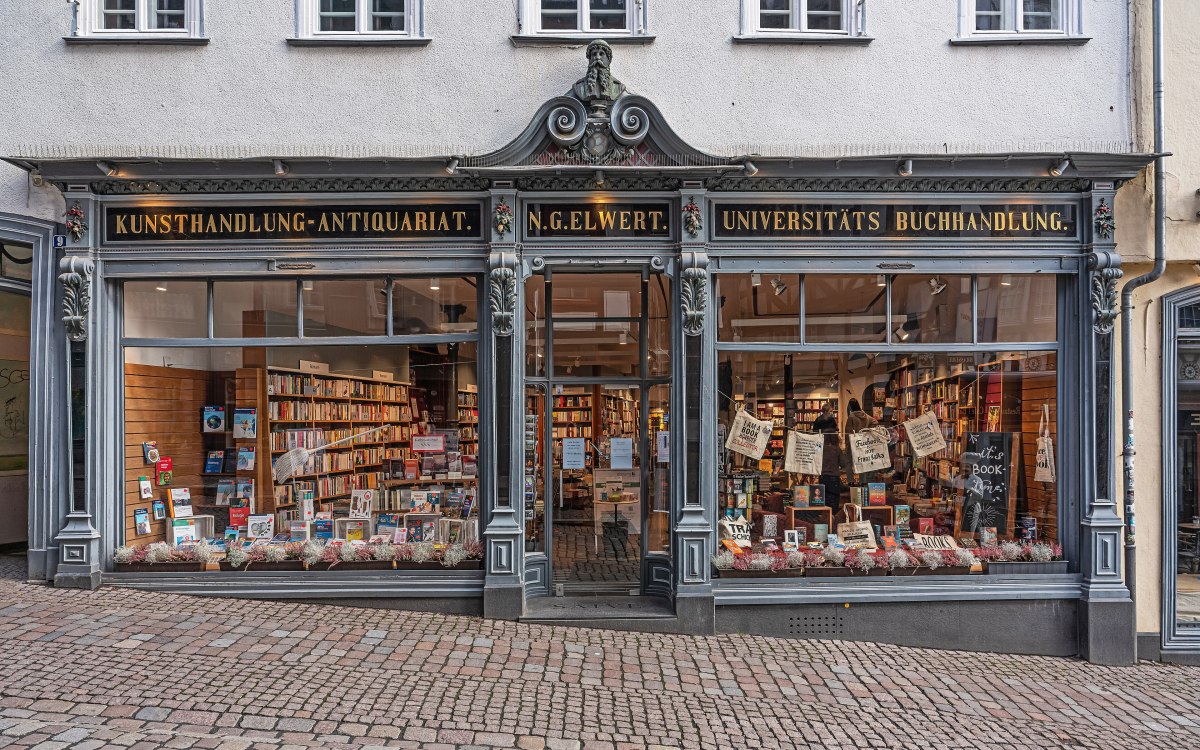
I’ve always liked the idea of antiquarian bookshops.
I am almost completely ignorant on the subject, mostly because chasing after extremely rare print volumes is the domain of people with a lot of expendable income. The most valuable books in my possession are an original 1939 first edition print of Will Durant’s The Life of Greece, and two novels signed by their authors. Their value is sentimental, not monetary.
But I like the general romanticized image of the antiquarian bookseller: an older man or woman in tweed ensconced in a cozy shop in Manhattan, with every shelf filled with dusty volumes and every surface covered by globes, astrolabes and other curiosities. There’s one of those tight winding staircases with wrought iron railings leading to a loft for access to the highest shelves, the music is from a vinyl collection of light jazz, and it’s always raining outside.
A doted-on shop cat dozes on a red leather armchair, tail twitching from some nightmare in which it’s slightly less adorable than it thinks it is.
Collectors in damp trenchcoats drop in, asking after 17th-century occult tomes, grimoires, and Voynich-esque manuscripts with engravings of impossible creatures, trees with visual organs and arcane rituals. Bibliophiles ask after leatherbound collections of classics like Don Quixote, and the occasionally curious passerby peeks in, surprised that such shops still exist in the age of the internet.
It turns out that’s not too far from the truth, especially the bits about the internet and, of course, the cats.
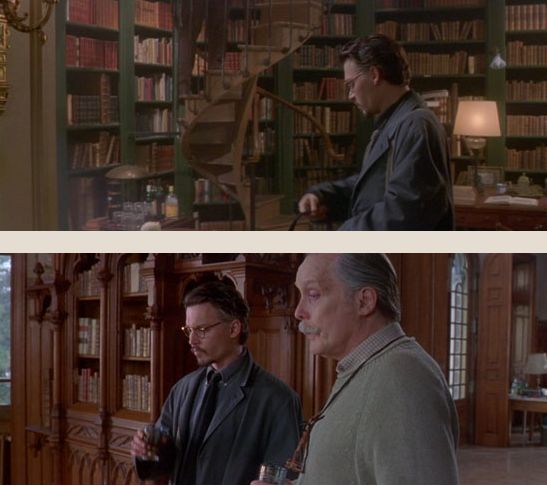
The Booksellers is a documentary that screened in festivals in late 2019 before heading straight to video when the pandemic brought the world to a screeching halt.
It’s an inside look at the annual New York Book Fair and the small world of antiquarian and rare booksellers in New York, a shrinking constellation of people mostly descended from, or formerly apprenticed to, the booksellers of old before Barnes and Noble and Jeff Bezos laid waste to that sector of retail.
Before network TV, cable TV, dial-up internet, broadband, Kindles, iPads and smartphones turned us into a media-gorging — yet paradoxically less literate — society, New York was home to more than 500 bookshops, including generalists and specialists who catered to people with particular and peculiar interests. Now it’s home to fewer than 80, according to the documentary.
When the booksellers were asked about the way the internet has impacted their trade, their weary sighs reminded me of my older colleagues from my brief time experiencing the end of the “good old days” of newspapering, before the internet destroyed or compromised every publishing income stream and delivered us to this moment. This dystopian time when entire swaths of the country have become news deserts, Elon Musk in all his wisdom asserts that Twitter accounts run by anonymous trolls in Belarus are just as reliable — even more trustworthy, in fact — than those liars in legacy media, and corporate raiders are stripping the last handful of newspapers down to assets they can auction off.
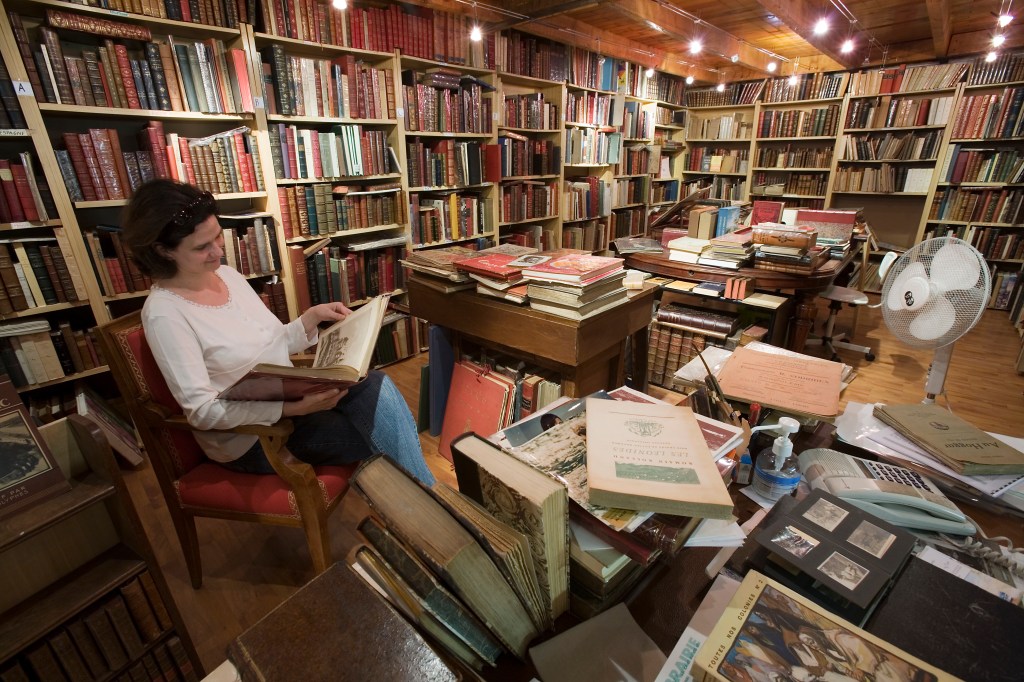
Not all of it’s bad. One rare book dealer laments the fact that “the thrill of the hunt” is gone, meaning it no longer takes years to track down some obscure volume because you can hop online and find it in a few clicks. I get that, but nostalgia for that sort of thing is the ultimate in looking back through rose-colored glasses. Plenty of us could wax nostalgic about the days when we’d hear a song on the radio and have to hum the damn thing to record store clerks, but we’re forgetting about the considerable frustration involved. Given the choice between “fun” ignorance and access to information, I’ll always choose the latter.
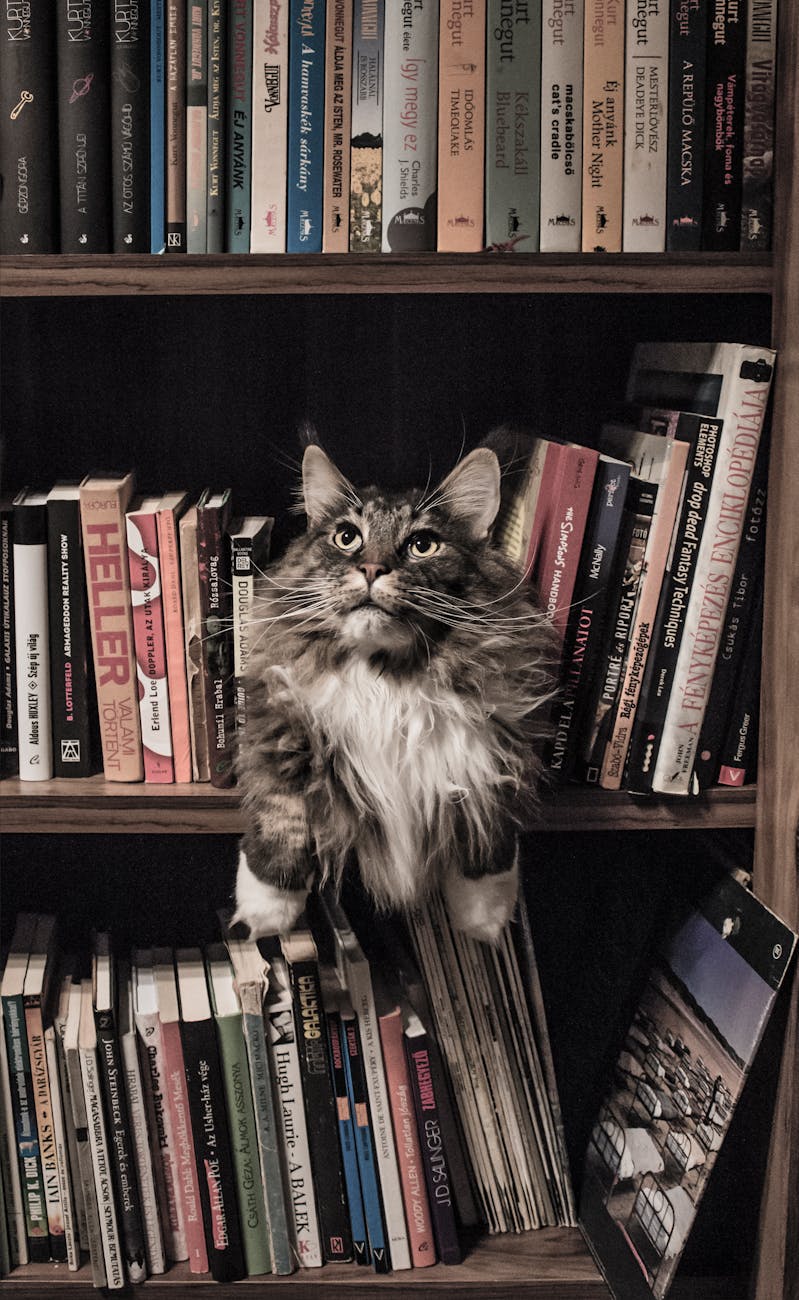
As for the cats, it’s not a surprise when many of the book dealers interviewed for the film identify themselves as cat lovers or idly scratch their feline friends while showing off their vast personal collections. Antiquarian bookshops tend to be warm, quiet, gently-lit spaces, perfect napping spots for cats who guard old books from rodents.
If you’re interested in watching The Booksellers, you can find it on Amazon Prime video, or better yet, just click below:
Header image credit: A. Savin/Wikimedia Commons
 Pain In The Bud