
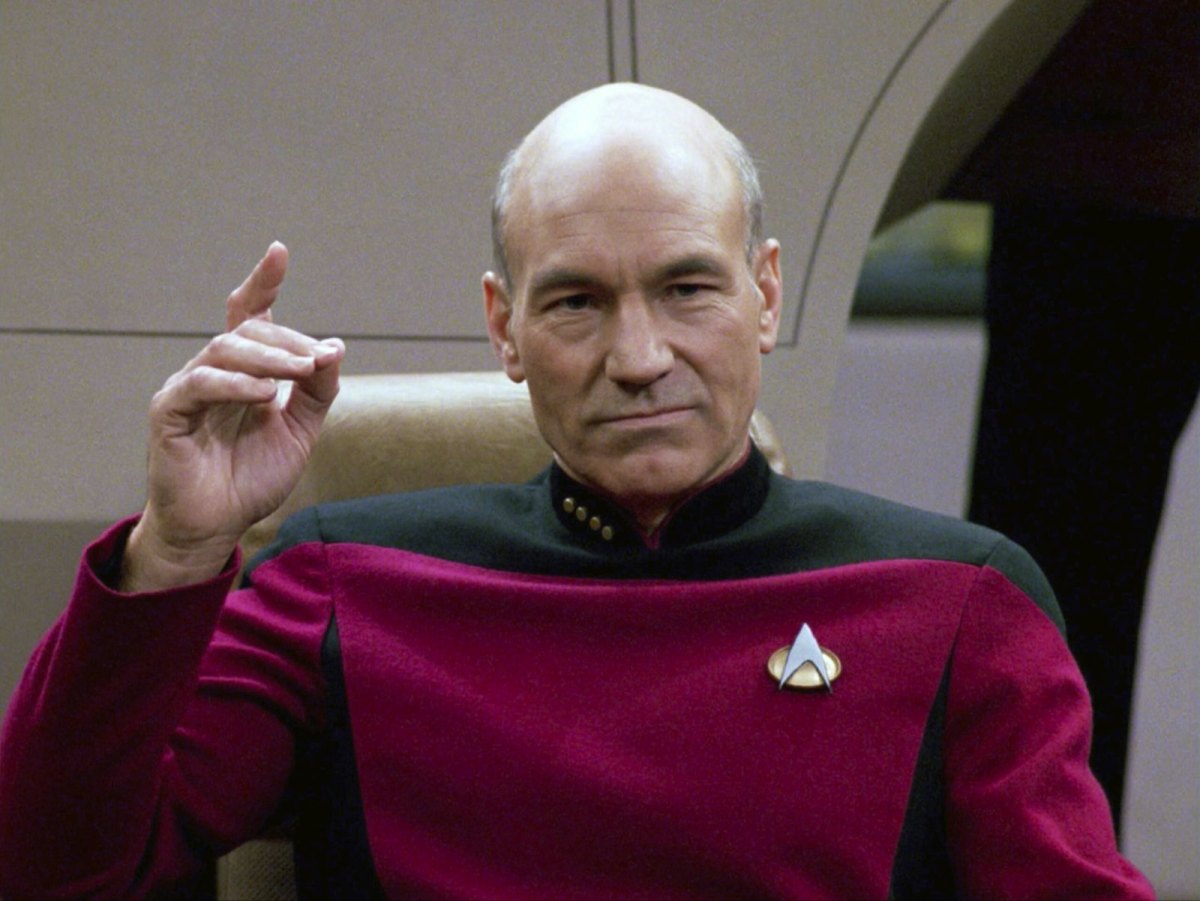
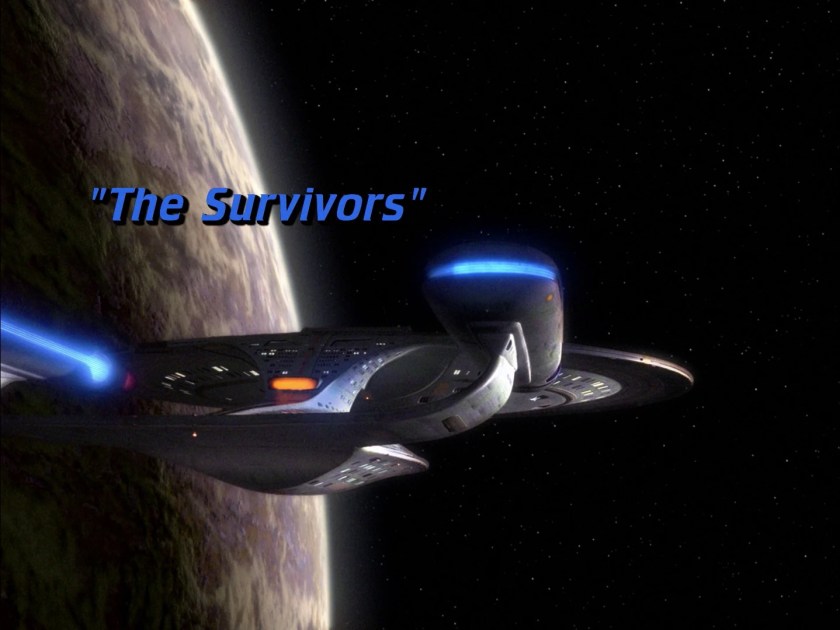
In one of my favorite Star Trek episodes ever, dubbed “The Survivors,” Captain Jean-Luc Picard and the USS Enterprise-D are dispatched to a Federation colony in response to a desperate distress call.
A mysterious alien armada had arrived in orbit and began bombarding the planet without warning. By the time the Enterprise arrives at Delta Rana IV, the colony planet, the ship’s sensors report total devastation except for one tiny, perfectly square patch of land where a lone house still stands unscathed, its lawn as green as ever even as ruins smolder in the distance.
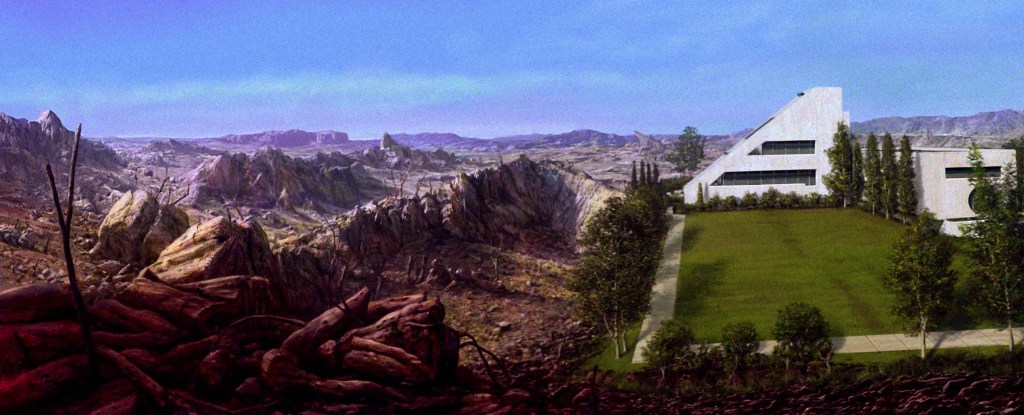
Kevin and Rishon Uxbridge, an elderly couple, live in the home but refuse to be rescued. They tell Captain Picard they’re going to tough it out on the scorched, desolate colony world, and they’re strangely unconcerned by the reappearance of one of the alien ships, which deploys powerful weapons to chase the Enterprise away several times.
After a cat-and-mouse game between the alien vessel and the Enterprise, Picard realizes there’s something deeply wrong with the Uxbridges, catches Kevin in a lie and questions the couple. That’s when Kevin Uxbridge admits he’s not human – he’s a powerful, immortal energy-based being called a Douwd who had sworn himself to pacifism and married a human woman.
But when the invading Husnock armada destroyed the colony, and took the life of his beloved wife Rishon, Kevin lost his mind and in a moment of grief and rage wiped out the Husnock.
“You don’t understand the scope of my crime,” Kevin tells Picard and his crew. “I didn’t kill just one Husnock, or a hundred, or a thousand. I killed them all. All Husnock everywhere. Are eleven thousand people worth fifty billion? Is the love of a woman worth the destruction of an entire species? This is the sin I tried so hard to keep you from learning now. Why I wanted to chase you from Rana.”
The episode ends on a somber note as Picard leaves Kevin and the resurrected Rishon to themselves, telling Kevin: “We’re not qualified to be your judges. We have no law to fit your crime. You’re free to return to the planet and to make Rishon live again.”
Just before the credits roll, Patrick Stewart’s theatrical voice cuts in for a captain’s log.
“We are departing the Rana system for Starbase One Three Three. We leave behind a being of extraordinary power and conscience. I am not certain if he should be praised or condemned. Only that he should be left alone.”
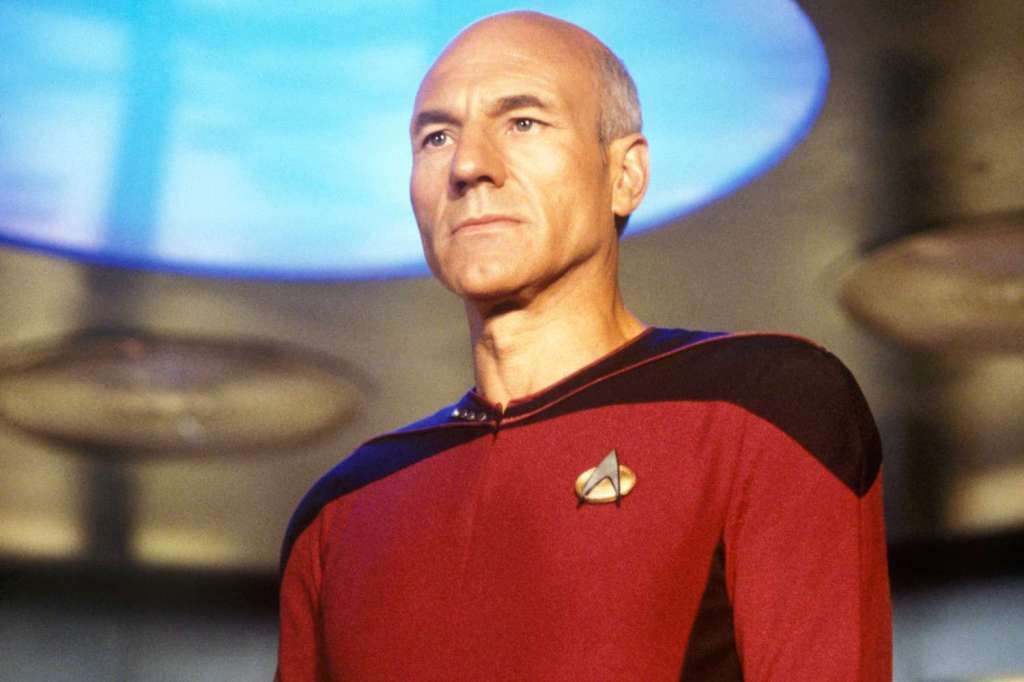
The episode is a fine example of the way Patrick Stewart played Picard, not as a swashbuckling, frequently-brawling, alien-skirt-chasing captain in the mold of James T. Kirk, but as a cerebral leader who was primarily an explorer and diplomat, not a military commander.
Time and again, Stewart imbued Picard with the judicious, insightful demeanor that would become the character’s trademark. When Captain Picard was at the helm, you felt confident that in this fictional world, humanity was sending its absolute best to represent our species among the stars.
Stewart was one of my heroes as a 90s kid who grew up on reruns of The Next Generation, and I loved Star Trek despite getting years worth of shit for it from literally everyone – my brother, my friends, girlfriends, cousins, coworkers, even my mom.
The English actor, who was knighted by Queen Elizabeth in 2010, passed away Thursday. He was 86 years old.
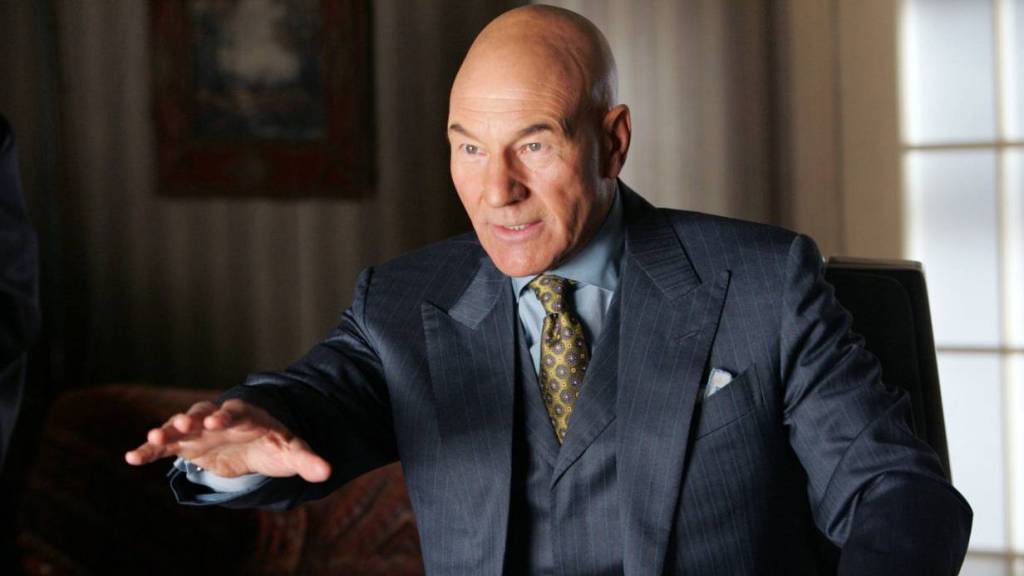
To most of us, he was Picard and the X-Men’s Professor Xavier, but he was so much more than that. He was a bona fide stage actor, spending most of his early career playing just about every role Shakespeare had to offer. He’s played Moby Dick‘s Captain Ahab, A Christmas Carol‘s Ebenezer Scrooge, and took on a shocking role as white supremacist leader Darcy Banker in the 2015 thriller Green Room, showing his considerable range. Most recently Stewart lent his voice to a character in this year’s The Sheep Detectives. It was his last role to be released while he still lived, with his final appearance yet to hit screens in the upcoming Avengers: Doomsday.
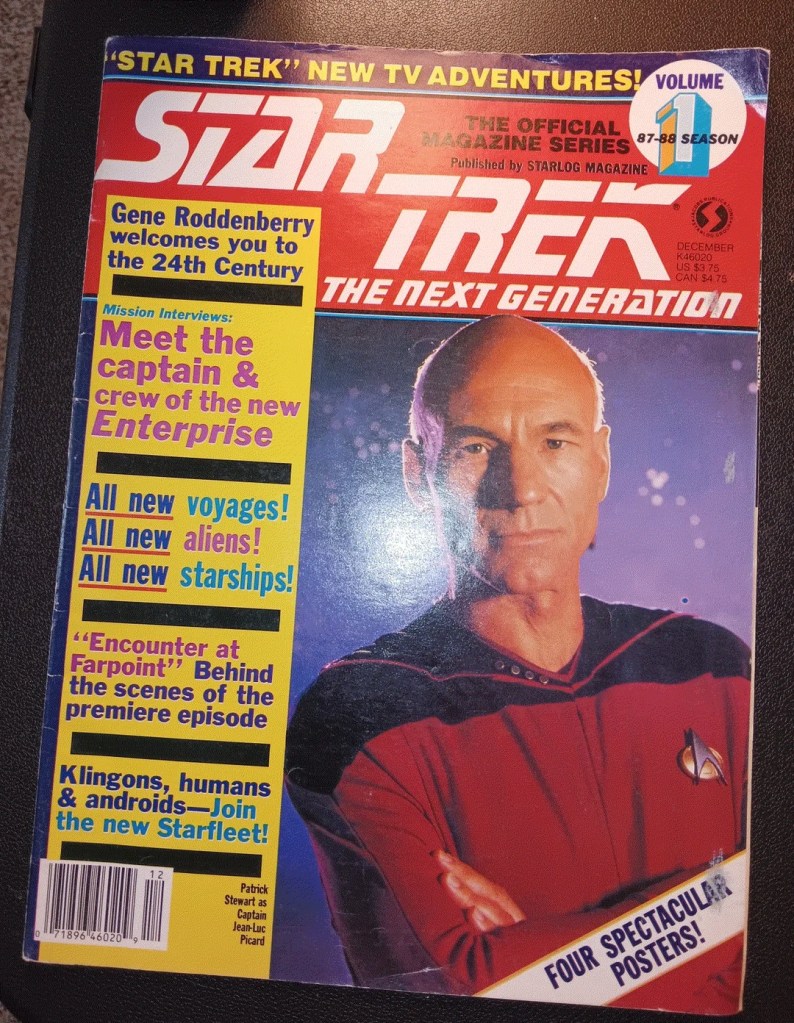
Most people will remember him fondly as Picard during a seven-season run that straddled the late 1980s and early 90s. As strange as it may seem now, The Next Generation was widely expected to fail, with critics expressing skepticism that audiences would warm to a starship Enterprise without Kirk, Scotty, Bones, Uhura, Chekov, Sulu and Spock.
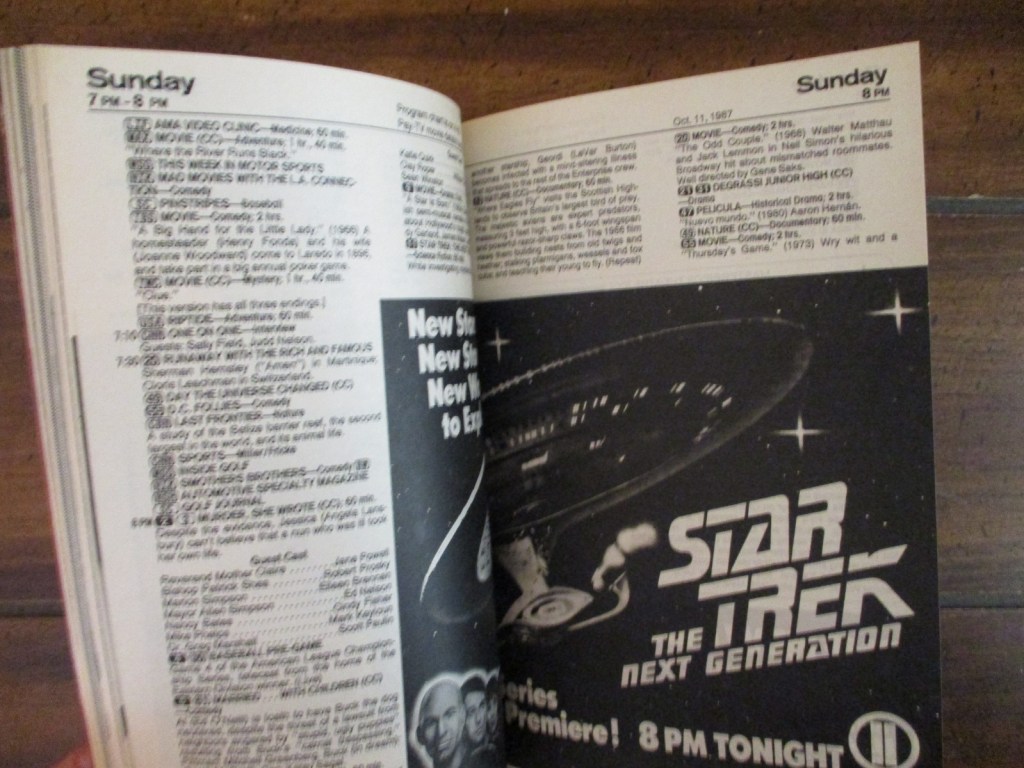
“Can a New Crew and a ‘Bald Frenchman’ Starship Enterprise Live Up to the Legend?” TV Guide asked in a 1987 feature previewing the new show.
Stewart, for his part, was told not to unpack his bags. His agent assured him the series would fail and Stewart would be back in London, sipping his Earl Gray tea and reading for theater roles again within a few weeks.
After admittedly finding the show and its premise ridiculous, Stewart gradually began to understand Star Trek’s significance in the public imagination, and the opportunities it afforded him as the face of the franchise.
“When it first started, I didn’t think that I would survive beyond the pilot,” Steward later said. “I thought the producers would come to their senses and realize they’d made a grave error in casting me. I was certain that I’d be on my way back to London… Eventually, it became clear to me that not only wasn’t I going to go away, the series wasn’t going to go away. I stayed, and have relished every moment.”
The Englishman led a revival of the 1960s franchise that spawned two more TV series set in Picard’s era (Deep Space Nine and Voyager), the unfairly-maligned Star Trek Enterprise, four theatrical releases featuring The Next Generation crew, and the modern era of Star Trek that includes Voyager, Strange New Worlds and Picard, which saw Steward reprise his most famous role as the iconic captain – now an admiral – is called upon once again to use his wit, insight and skills as a starship commander to save the Federation of Planets.
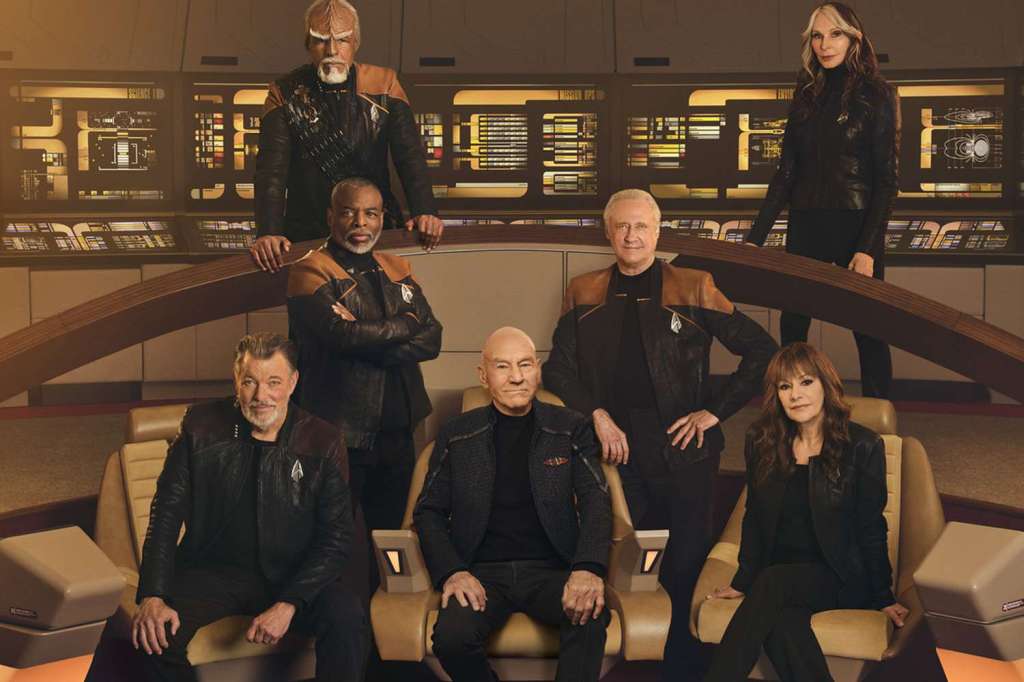
Stewart was known as a consummate gentleman, a man who grew up poor in a home where domestic violence was a regular occurrence, an advocate for women and animals, and a voice who urged calm during turbulent times. The only time I ever saw the man express anger toward anyone was during an awards show in London in 2010, when he lashed out at James Corden for appearing disengaged and disinterested while hosting the event.
And really, who among us has never had an urge to yell at James Corden, whom Balthazar restaurateur Keith McNally once described as a “tiny little cretin”?
The actor also kept in touch with fans through social media, showing his gift for self-deprecation and sharing moments from his life, like his first-ever slice of pizza in 2013.

Unlike William Shatner, who famously went to low Earth orbit and experienced the Overview Effect’s powerful feelings of awe and human connectedness reported by many astronauts, Stewart never went to space.
But he wasn’t quiet about his feelings, and when asked about Star Trek’s Utopian vision of the future, he didn’t sugar-coat his opinion of humanity.
“I would like to see us get this place right first before we have the arrogance to put significantly flawed civilizations out onto other planets,” he said, “even though they may be utterly uninhabited.”
I’d like to think Stewart is sitting in the captain’s seat of a celestial Enterprise right now, finally getting a proper look at new life and new civilizations. And when he looks back at our pale blue dot, I hope he sees us appealing to our better angels to “get this place right.”

