For The First Time, American Vets Can Prescribe FIP Meds For Cats

People whose cats are infected with FIP can now get a legal prescription and buy it from a US pharmacy. A full course of treatment will cost a few hundred dollars instead of the thousands charged on the illegal market.

Starting on June 1, people whose cats are infected with deadly Feline Infectious Peritonitis won’t have to shell out thousands of dollars to shady middlemen importing the cure from China.

FIP is a virtual death sentence for cats, but there’s a drug — GS-441524 — that has a cure rate somewhere around 90 percent, a Godsend for people whose beloved felines are afflicted with the virus.

Previously the only way to get it was through predatory online middlemen who charged exorbitant sums, but thanks to a partnership between UK pharmaceutical company Bova Group and New Jersey-based compounding pharmacy Stokes, the FIP cure will be available legally in the US.

The legal version of the drug will come in a tuna-flavored tablet format and customers can expect to pay a few hundred dollars for a full treatment instead of between $5,000 and $15,000 some paid for the FIP treatment from importers.

A US company invented the drug and held the rights, so it seemed like bringing it to market for cat caretakers would be a no-brainer. Unfortunately, GS-441524 is similar to COVID drug Remdesivir so the company was worried if they submitted the FIP cure to the FDA for approval and the FDA did not grant it, the denial could lead the agency to revoke its approval of Remdesivir due to its molecular similarity.

As a result, innumerable people whose cats were suffering with FIP turned to groups like Facebook’s FIP Warriors to help them obtain GS-441524 illegally. The drug was manufactured by facilities in China, sold to middlemen in the US and Europe, then marked up by eye-watering amounts for sale to people with sick cats.

jupiterpitbtopimg
Jupiter, a British shorthair, was diagnosed with FIP. His human, a young professional from London, paid almost $10,000 for FIP treatment obtained through middlemen.

Last year the feds announced they’d exposed a GS-441524 smuggling ring, alleging a woman from Texas and another from Oregon had made almost $10 million from selling the FIP treatment to panicked cat lovers.

GS-441524 importers knew their customers were desperate to save their beloved feline friends so they’d be willing to pay the extraordinary mark-up — and pay they did.

Here at PITB we’ve interviewed and written about several people whose cats were diagnosed with FIP. One of them, a student, spent her entire savings on GS-441524 obtained through the Facebook group and relied on help from generous donors to raise the rest. Another, a young professional in London, paid even more, spending £7,500 (about $9,400 at the time) on the medication alone, not including vet visits.

A Texas woman whose cat, Seth, was diagnosed with FIP said the middlemen — and women — said the sellers “saw our desperate situation and took advantage of us.”

“It was a very stressful time for us, and every time we needed to refill, they charged us more,” she told PITB. “They knew we couldn’t say no.”

For readers interested in more details about GS-441524, Stokes pharmacy has a resource page that breaks down pricing, shipment times, availability and more.

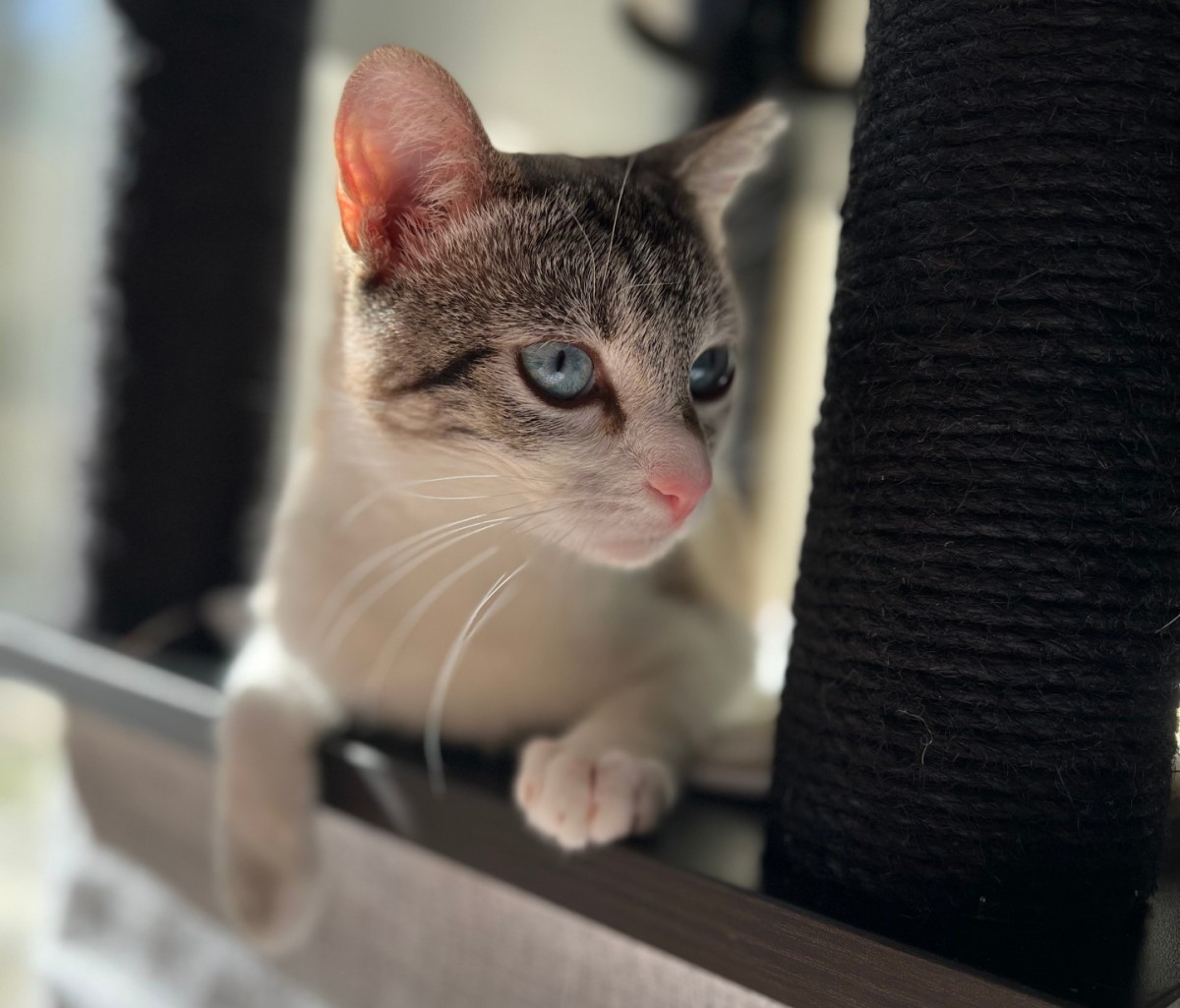
Parsnip, the cat pictured at the top, and Jupiter, the British shorthair pictured within the story, were both cured after taking full courses of GS-441524.
Update II: Bud Is Feeling A Little Better!

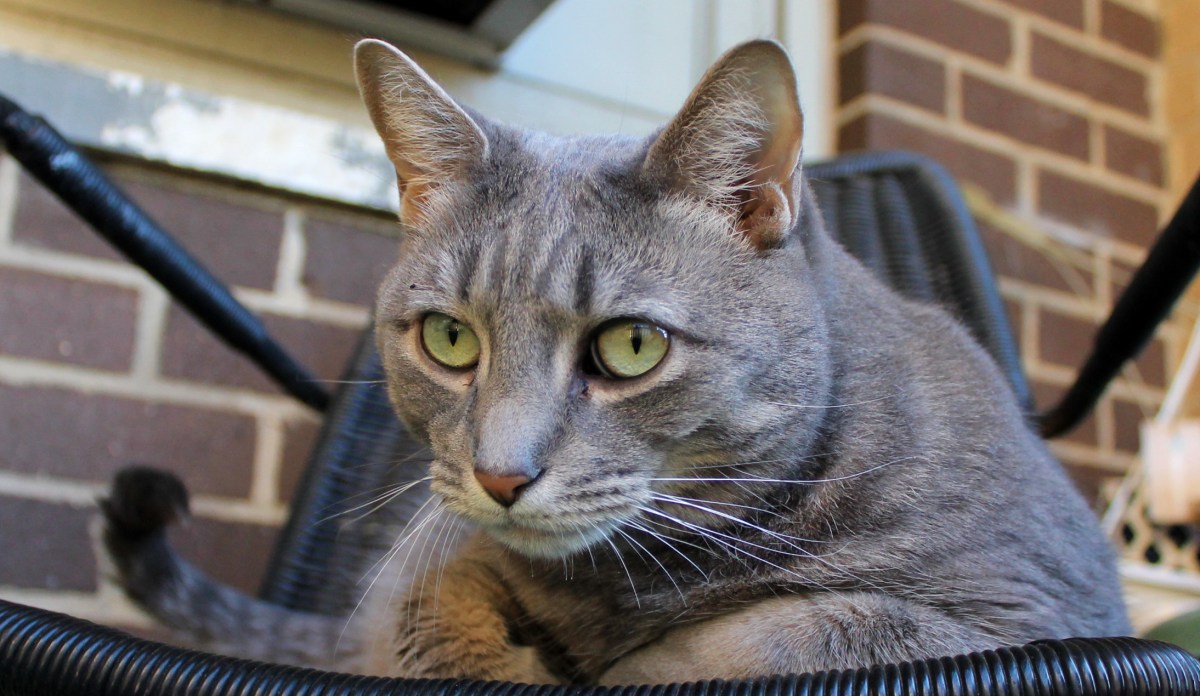
Signs of Bud’s usual personality are returning!

First, thanks again to everyone for their well wishes and for advice on how to get a cat to take medication. I was finally able to get Bud to take his meds by crushing them and mixing them into a small amount of pate, so he had to take the meds in order to eat. When he ate the first small bit with the crushed medication, I added a little more food.

The little guy still isn’t eating much, especially compared to his usually bottomless appetite, but the fact that he is eating is an encouraging sign. I’m making sure he’s eating wet food and frequently replacing the water in his bowl so it’s fresh and he stays hydrated.

He has also vocalized a bit, which is very encouraging! He’s not offering the usual Buddesian play-by-play of his activities and he’s not yelling at me for snacks/better service/etc but I’ll take what I can get.

Today is very encouraging because he was still lethargic yesterday and he got sick again last night. Thankfully it was only once.

That’s about it. At times like this we all wish our cats could talk. Failing that, I’ll take a raised tail, a meow here and there, awareness and seeking affection/comfort.

Strangely, Buddy is still not really purring. I felt a small vibration at one point yesterday when I was scratching his head and talking to him, but nothing like the buzz of his usual purr. Hopefully that starts to come back too.

When he feels well enough to terrorize me again, I’ll throw a party!

Update: Still Not Himself

First I want to thank everyone for their concern and encouraging words. There are regular commenters here and I’m extremely appreciative of their feedback, but I also know only a small fraction of readers leave comments and I can see from the stats that lots of people in many different countries — a surprising number of them — read the blog. I don’t know who you are, just that you’re out there, so it’s nice to hear from some of you and to see new names for the first time.

Buddy and I are appreciative of all the well-wishes.

As for Bud, he yowled quite a bit on the way home and made it clear he didn’t enjoy the veterinarian, which I took as a good sign. If he’s complaining, he must feel at least a little better. It’s the laying motionless with eyes half closed and not saying a peep that’s scary.

One of the first things the vet said when she examined him is “I don’t like the way he looks,” so I’m glad I brought him in. There is no question that he needed help.

When we got home, Bud didn’t need an invitation to leave his carrier. I put down fresh wet food and water and he ate a very small amount, the first time he’d eaten all day. A good sign.

After a little while I sat down on the couch, Bud climbed up under his own power and he slept in my lap.

However, he did not get up when I turned the TV off and went to bed. I decided to pick him up and bring him into the bedroom. I didn’t want to leave him there by himself. I want to keep a close eye on him and I know if he wasn’t hurting he would have jumped off the couch and followed me immediately, meowing to remind me to put some dry food in his bowl in case he gets hungry while he’s sleeping. (That always reminded me of a line by Mrs. Garrett to Arnold Drummond in Diff’rent Strokes: “I packed an extra lunch for you, in case you get hungry while you’re eating.”)

Once again, Buddy didn’t object to being picked up, which is unusual for him.

He hasn’t made a peep since the yowling in the car, which is jarring because normally he doesn’t stop trilling, meowing and chirping.

“Brrrrrrrt! Look! Birds! Birdies!!! Brrrrr! Brrrrr! Snack! I want a snack! Gimme a snack now! Brrrrrrruuuupppp! Watch me! Watch me run, Big Bud! YEOW!!!”

Bud remains lethargic, he’s not purring even when I rub his head and he’s quiet, but on the positive side he’s not throwing up or yowling in pain.

As Julie B wrote in the comments of the last post: “You worry so much when they age.”

At one point the vet said Bud, at nine years old, was “getting up there” to an age when some problems can begin to manifest.

I was about to interject, to say “No, he’s just a baby!” when I realized she’s right. Nine years old is the equivalent of 50 for cats. That seems impossible, but it’s true.

The other frustrating thing, as Carmen B noted in the comments, is the lack of specificity in diagnosis. All those examinations and bloodwork, and the only thing I know for sure is that a handful of common ailments have been eliminated as the cause. Is this a virus? Did he eat something he shouldn’t have? Are the symptoms indicative of an underlying health problem?

Frustratingly I don’t have answers. Bud’s an inside-only cat, and the closest he gets to the outdoors is laying on the balcony. Could he have eaten an insect that caused this? Could a foreign substance have been dropped from one of the balconies above? There are five floors above me, and it’s not unheard-of that sometimes things drop.

Now we’ll see if I can fool Buddy into taking his meds. He ate about 3/4 of a treat I gave him earlier but spat the 1/2 pill back out twice. (I had embedded the pill in the treat.) Does anyone have any experience with Greenies pill pockets? What about pillers, those plastic needle-looking things that allow you to essentially “shoot” the pill into a cat’s mouth?

P.S. Thanks to everyone who offered to help and suggested a GoFundMe. I know people use GoFundMe for good causes, but I would feel very strange saying “Hey, give me money!” If Bud requires more treatment and it’s expensive, I would consider some sort of Patreon setup where people can tip for extra content. Extra blog posts, analysis of cat-related news, things like that. Or maybe a 2024 Buddy Calendar featuring sizzling snaps of the handsome little guy lounging in a sizzling manner, sleeping and lounging some more. I would never gate the content, so it would remain available to everyone, but it would provide a way for people to tip an amount they choose. It’s too early to really think about that anyway. Right now the most important concern is Bud. I’ll update, hopefully with good news soon.