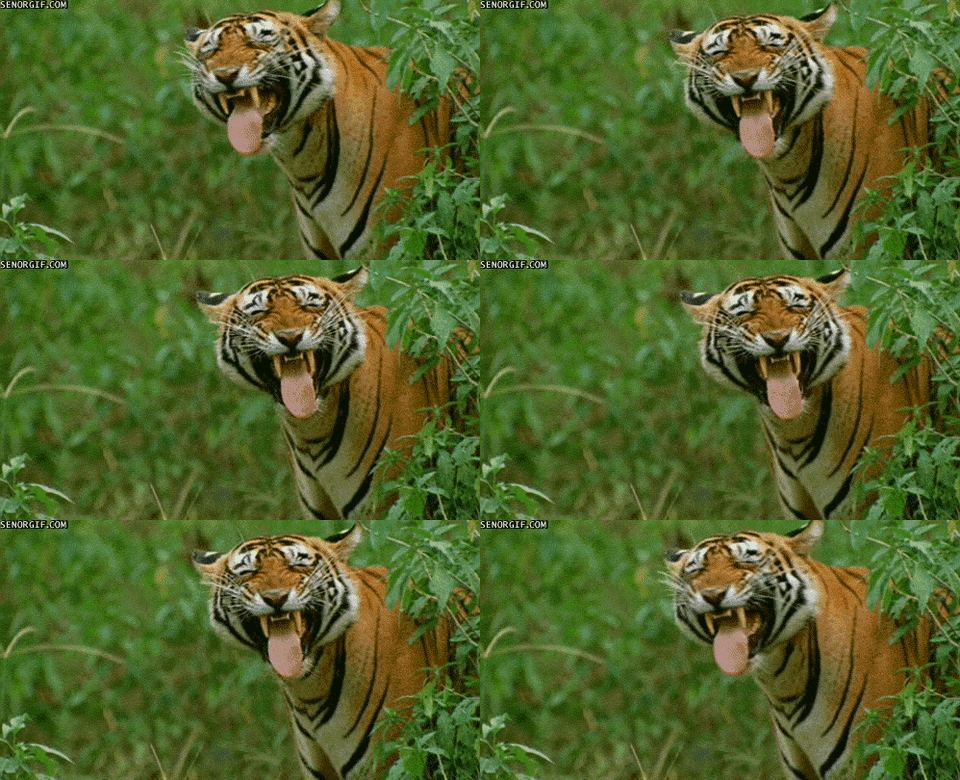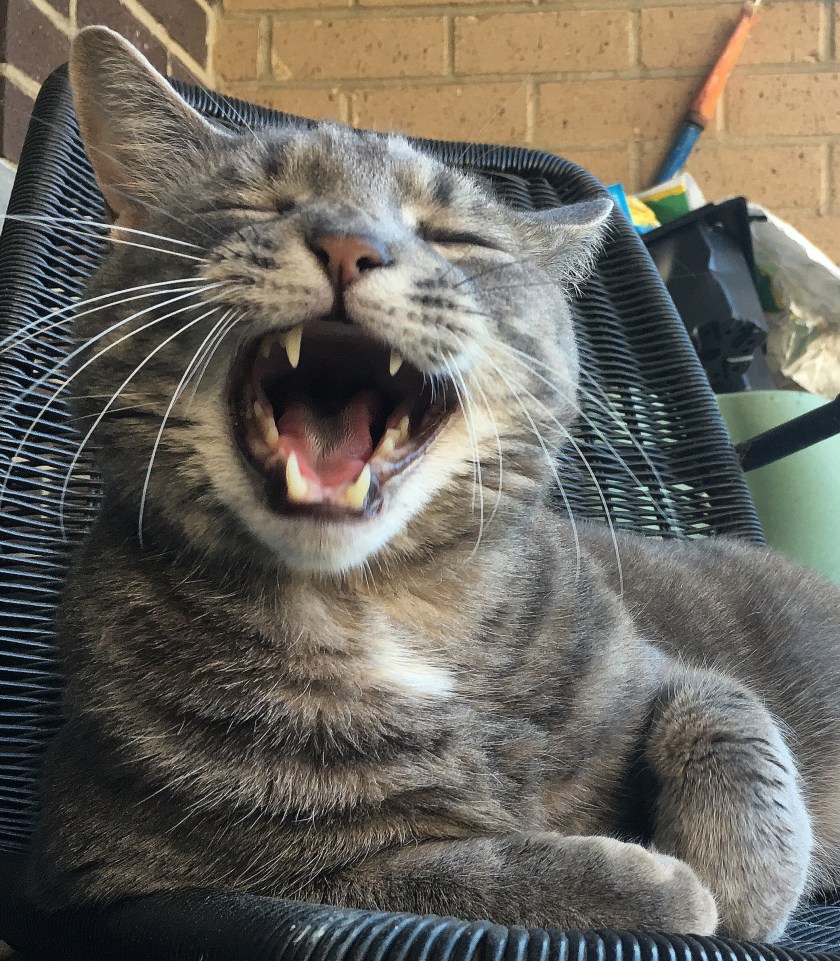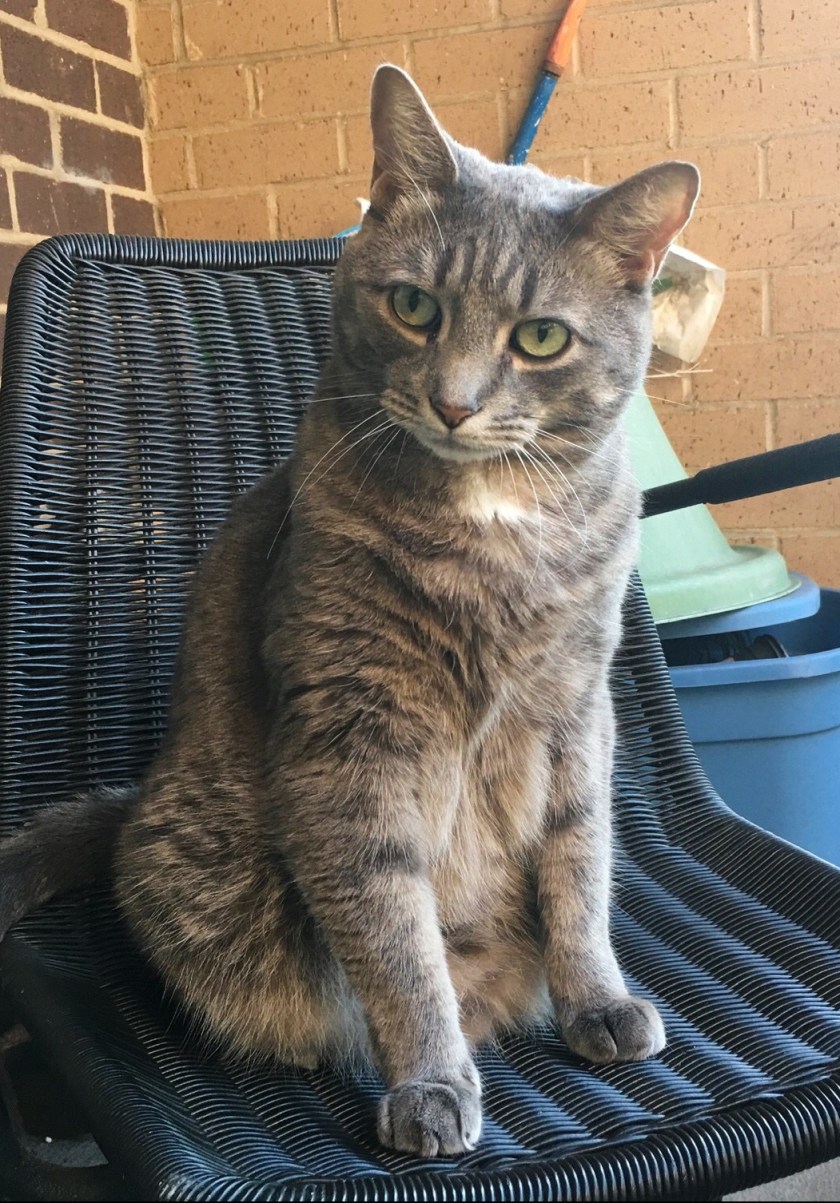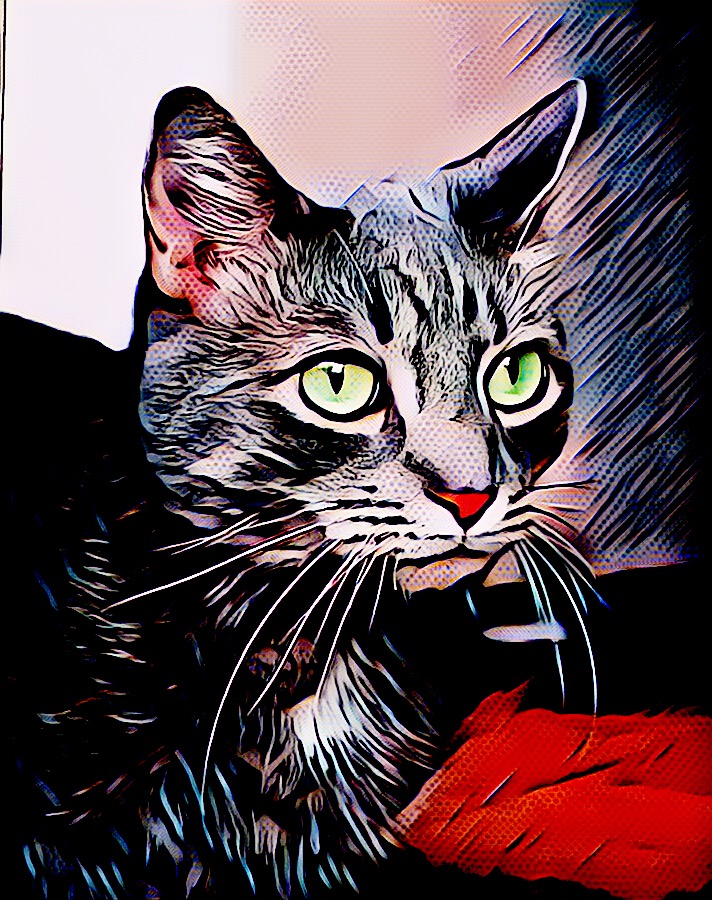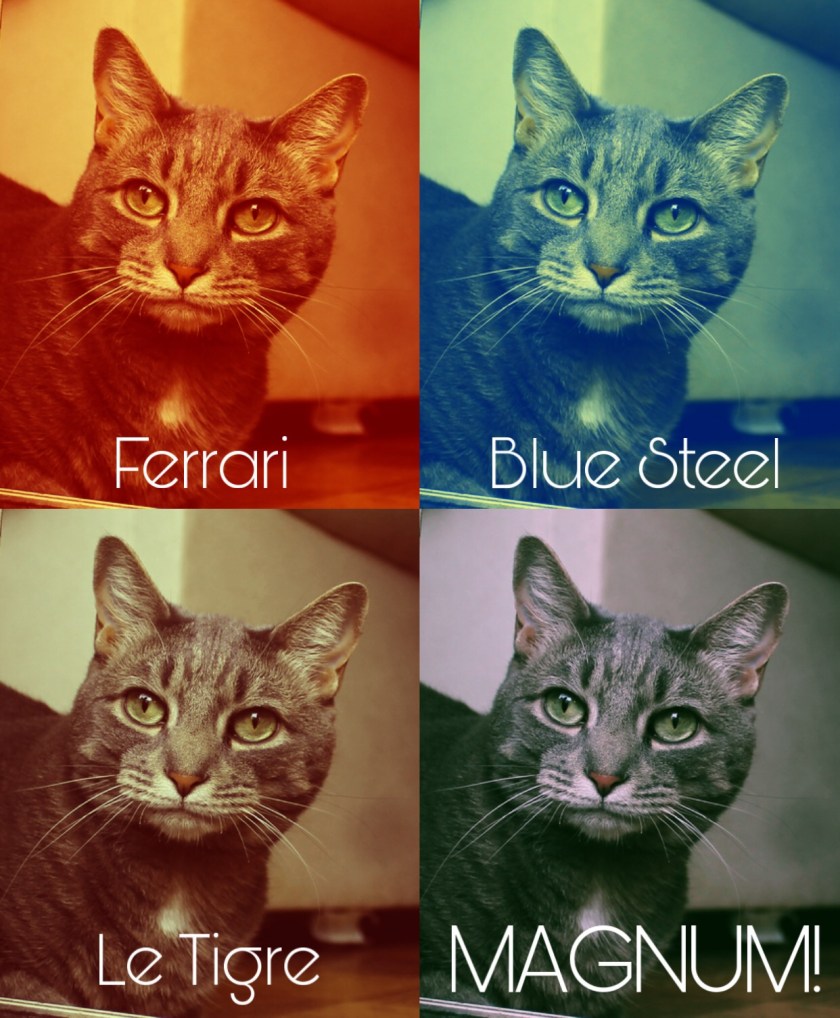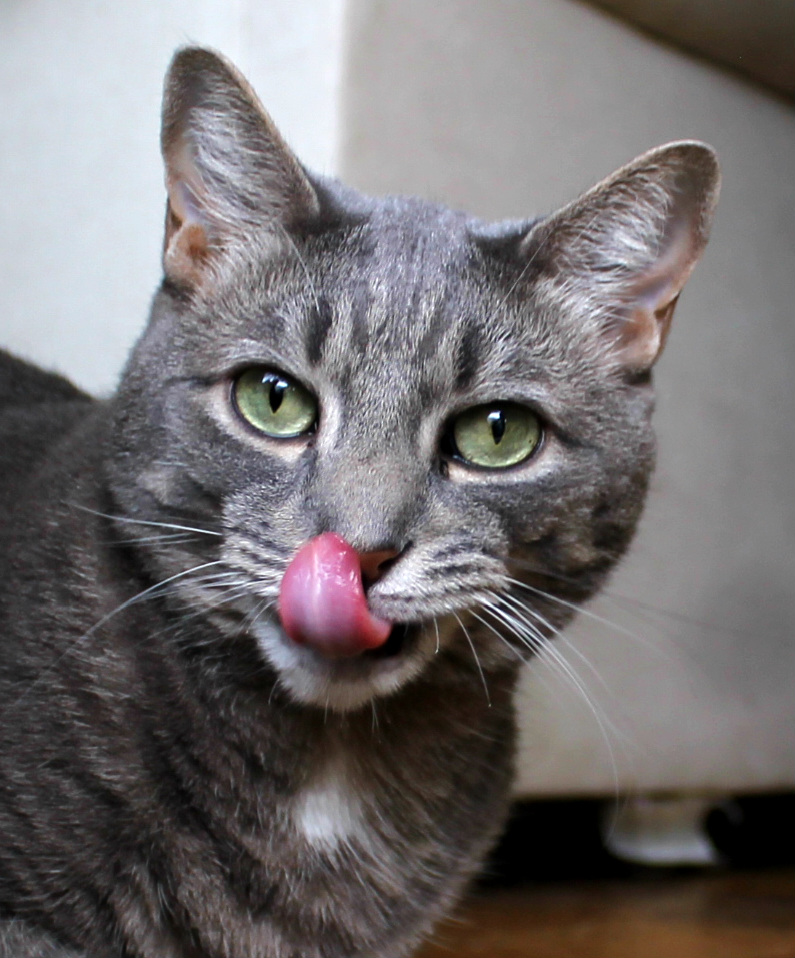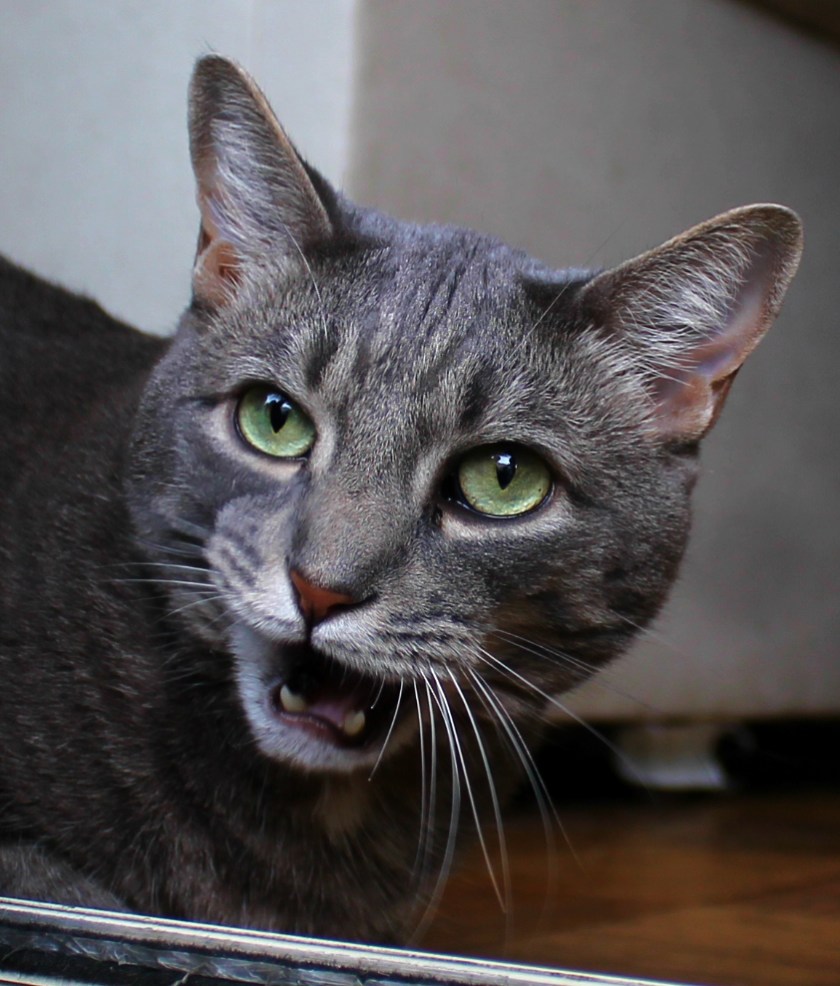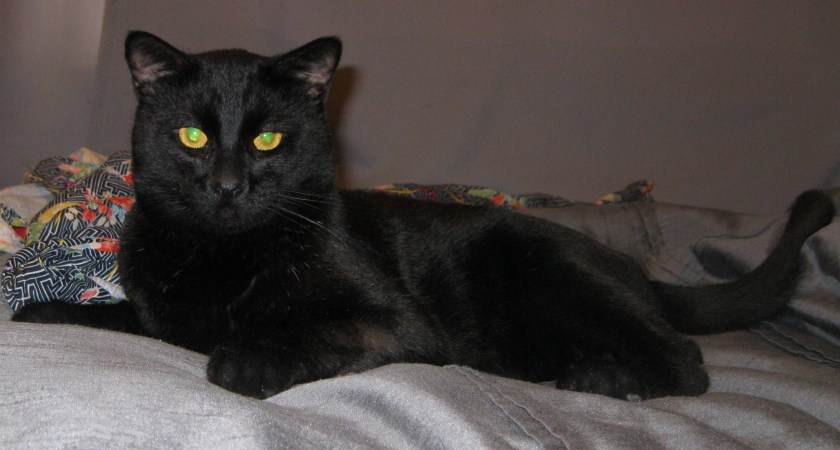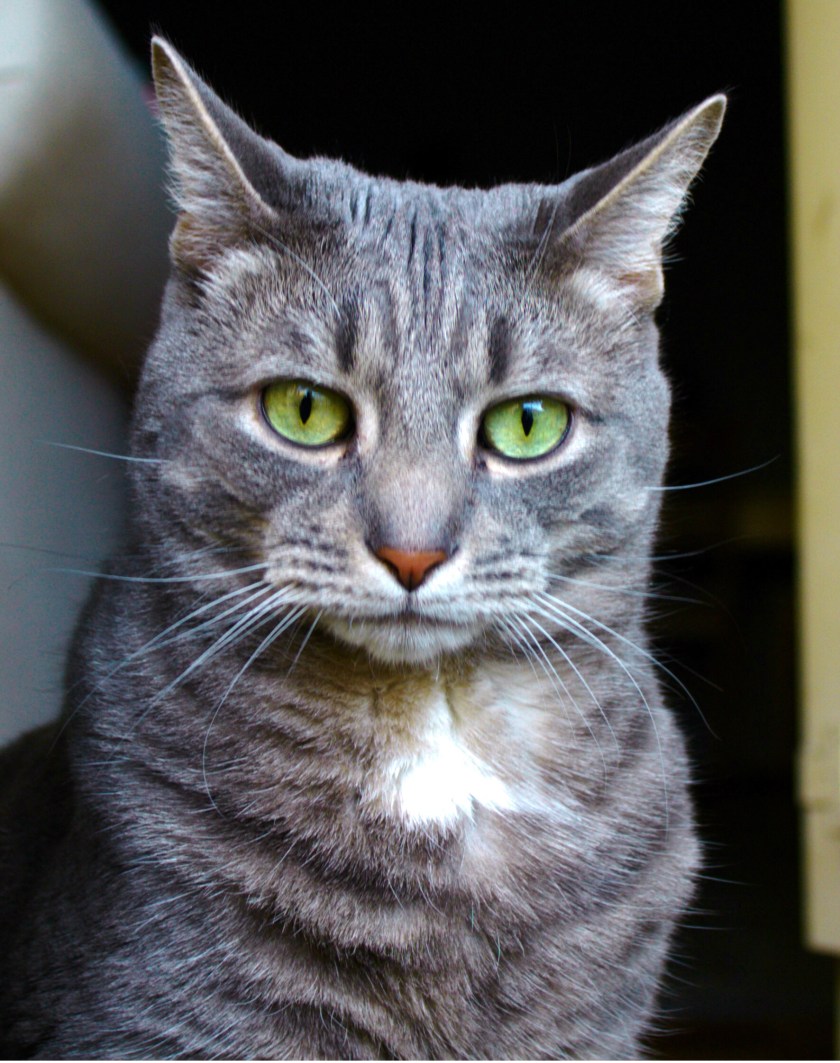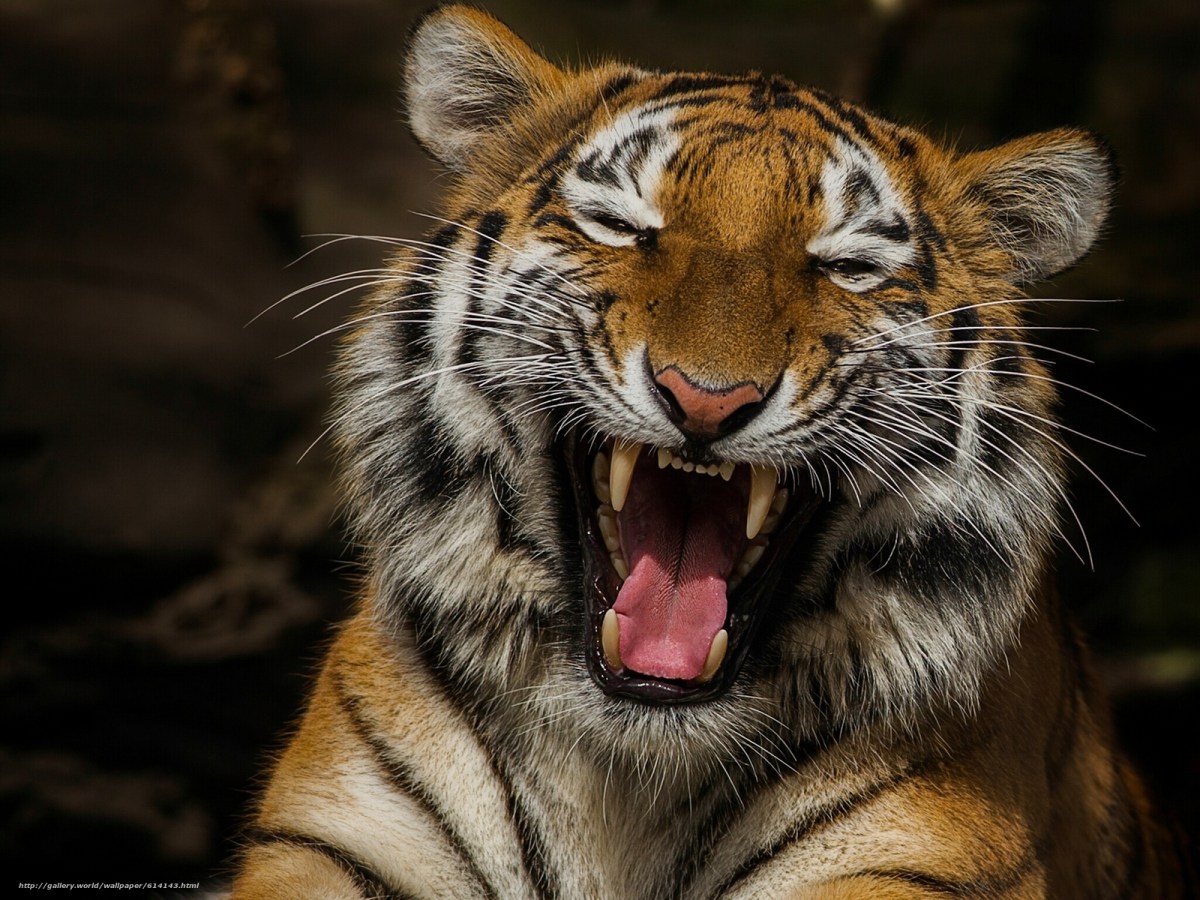
In honor of International Cat Day Buddy shares some of his modeling snaps and shows off his four primary looks: Ferrari, Blue Steel, Le Tigre and the famed Magnum!
On behalf of Little Buddy and myself, Big Buddy, we wish a happy and cat-tastic International Cat Day to our human and feline friends alike.
To celebrate this wonderful holiday, we’re sharing the newest images of Buddy as the face of Friskies Haute Couture.
“The look I’m best known for is Blue Steel. Le Tigre’s a lot softer, it’s a little more of a catalog look, I use it for footwear sometimes.”“What kind of Cat Day would it be without extra yums? Feed me, human!”
As any cat owner servant knows, traveling is tough.
Not only do you have to make accommodations for your feline overlord(s) — including finding a reliable cat-sitter and writing a 32-page guide to properly caring for your kitties — there’s the issue of separation anxiety on both sides.
How can I sleep without Buddy using me as a mattress and walking on my face when he wants me to get up? Quite well, actually, but that’s beside the point.
A new site, Hotels With Cats, profiles resorts, hotels, AirBnBs and other accommodations throughout the world that feature cats on-premises. It’s basically a directory of cat-lovers who run hotels, for cat-lovers who love to travel.
Ashleigh Mills, the site’s founder, says she came up with the idea on a 2017 trip to Bali. While she was spending six glorious weeks in one of the Earth’s most beautiful places, she also missed her two cats terribly.
That’s when Tiger stepped in. The friendly tabby cat belongs to the people who run Geria Giri Shanti bungalows, and he served as Ashleigh’s feline companion for the duration of her stay.
“His presence soothed me when I missed my own cats,” Ashleigh wrote. As a bonus, “I knew I was giving my business to fellow animal lovers which was a good feeling as well.”
Tiger: A cat on a permanent vacation with a rotating cast of humans to cater to his needs. Credit: Hotels With Cats
Thus far Hotels With Cats has profiled kitty-occupied hotels, lodges and seaside bungalows in Greece, France, Italy, Spain, Australia, Malaysia, Indonesia and the US of A.
“You’re telling me you’re going to relax in the sun on some pristine beach while I sit here at home waiting for the cat-sitter to come by and shovel slop into my bowl? No way, dude. I’m coming with you.”
Your own cats might not be too keen on the deal. After all, they’re left at home without their favorite humans. But sometimes it’s okay to lie to your cats, and in this case a little fib — “Oh, there were no cats where we stayed!” — could prevent furry little egos from getting bruised.
If you’re a regular reader of Pain In The Bud you know that Buddy is — how shall we put this delicately? — a complete brat.
Born to a well-loved momma cat and adopted as a kitten, the Budster has known nothing but indoor warmth, comfort and a doting Big Buddy to see to his every need.
Yet I’ve heard it said that even rescue cats, saved from miserable circumstances in hoarders’ homes or brought in from the freezing cold, have an instinctual ability to put their humans in their place.
Grateful? Yes. But to a cat it simply means the natural order has been restored with a human who realizes kitty is a king or queen.
Reader Anna Keller confirms this: She rescued her cat, Frank, from the mean streets of LA, but it didn’t take long for Frank to adjust to his new pampered reality, relegating Anna to “the servants’ quarters of Anna’s Frank’s house.”
Frank lounging in his parlor.
That got us thinking: What if every cat had access to a servant bell system a la Downton Abbey?
In order to be able to communicate efficiently with the domestic staff, internal bell systems became very popular when they were invented in 1744. Prior to this invention, servants would have to wait outside their employer’s rooms or linger unassumingly in the background of the family quarters, waiting for orders. This was considered intrusive and inefficient. The innovative bell systems therefore increased privacy and meant that servants could remain in their quarters whilst waiting to be summoned. This new facility became a standard in this era.
Imagine the labels: “Buddy’s Bedroom,” “Buddy’s Dining Nook,” “Nap Room,” “Food Can Room,” “Human Litterbox Room” and so on.
Even worse, imagine the incessant ringing!
RING! “I can see the bottom of my bowl! Get up here and fill it!” RING! “You missed a microscopic piece of turd when you scooped my box, how am I supposed to poop here?” RING! “What did we say about feeding me tuna after I’ve had salmon? No consecutive fish dishes!” RING! “I would like to be scratched behind the ears, servant!”
“Will that be all, My Lord?”
“Yes, Carson. You may retire to the servants’ quarters…”
RING! “You closed the door. We do not tolerate closed doors in this house! Oh, and Carson? Have Mrs. Patmore send up a late night snack, I’m feeling peckish.”
Hell, Buddy would use the bell even while I’m sleeping.
RING! “You just rolled over onto your back and disturbed my sleep. Do not forget you are my mattress!” RING! “Stop snoring!” RING! “Wake up and feed me breakfast!”
Note to self: Do not ever, ever allow Buddy to watch Downton Abbey, lest dangerous ideas form in his little head.
Debunking the myth that cats need to roam freely outdoors to be happy.
Sometimes you’ve gotta fib to protect the ones you love, which is how I found myself lying to Buddy the first time he wanted to go outside and ineptly chase hunt birds.
“I’m sorry, Bud, I can’t let you do that,” I said, doing my best to sound serious and authoritative.
“Why not?” Buddy asked, pawing at the door impatiently.
“Because it isn’t safe.”
Buddy was exasperated. “I’m 10 months old! I can take care of myself!”
“You don’t understand. It’s not for your protection.”
I lowered my voice conspiratorially and nodded toward the birds outside. “It’s for them. Mice too. Squirrels. Even coyotes.”
Comprehension dawned on the little guy’s face.
“To protect them from me?”
“Precisely,” I said gravely. “It wouldn’t be fair, unleashing a beast of your size and power on those poor unsuspecting creatures. It’d be like that scene in Jurassic Park when they lowered a cow into the velociraptor cage.”
Buddy nodded.
“That makes sense.” He eased onto his hind legs and raised his front left paw, flexing. “I mean, I am really ripped. These guns must be intimidating.”
“They most certainly are,” I agreed. “So ripped! So you can understand why I can’t let you out.”
“Illegal, you say? Like actually illegal?”
“A $500 fine if you even step out the front door.”
“Damn.”
After that he didn’t ask to go outside anymore and was satisfied with telling people that the local Council of Dangerous and Awesome Animals had specifically forbidden Buddy the Beast from stalking the neighborhood unless chaperoned by a human with his huge muscles restrained in a harness.
Ed Sheeran’s cat: A preventable tragedy
I recalled this totally accurate and real conversation after reading news that musician Ed Sheeran’s cat, Graham, has died. I clicked on the story expecting to read about a loyal cat who’d stuck with Sheeran over the better part of two decades before succumbing to old age.
That’s not how Graham died.
Sheeran’s five-year-old cat had his life cut short when he was hit by a car on July 31.
Graham, Ed Sheeran’s cat, as a kitten. He’s pictured sitting on a Les Paul guitar.
Allowing cats to roam free is the norm in the UK, even in busy neighborhoods. Cats are killed in traffic — or meet other unfortunate ends — regularly. Even a rampage by an alleged serial murderer of cats, who was said to kill more than 300, didn’t dissuade them from keeping their cats safely indoors, nor did the subsequent (pardon) copy-cats.
The usual excuses paint cats as one step removed from wild animals, creatures who range several miles in their “natural” states as outdoor kitties.
The problem is, that’s not true.
Domestic cats don’t belong in the wild
Cats are domesticated animals. They’ve evolved over 10,000 years from African and Eurasian wildcats, to the human-friendly mousers who protected grain stores, and finally to the companion animals we all know and love.
They are second only to dogs, who were domesticated 30,000 years ago, as animals who are uniquely attuned to human presence, able to read our expressions, detect our moods from our pheromones and parse the subtleties in our vocalizations.
Cats belong with humans. They have no “natural habitat.” As domesticates who are genetically distinct from their wildcat ancestors, there’s no place in nature for them.
In other words, cats belong in human homes, benefiting from human companionship, protection and care.
They’re not as fast, agile or nimble as their wild cousins, and while some can adjust to rough living, most don’t: The lifespan of a feral cat is a pitiful two to five years compared to the 16 years or so an average, well-cared-for indoor cat can live. For feral cats eking out an existence on their own, as opposed to living in a colony, the average lifespan is less than two years.
Window perches allow cats prime views of the outdoors without exposing them to danger.
It’s our responsibility to protect our cats
The point is that we’re not doing cats any favors by letting them roam outdoors unsupervised. In addition to being ill-equipped to deal with nature and predators, they’re also defenseless against maladjusted and hostile humans who do things like intentionally poison flower beds. They’re particularly vulnerable to vehicle traffic. They’re easy meals for large birds of prey, wild canids and other mid-sized animals.
So what’s the solution? Simple: Be a good caretaker.
An indoor life shouldn’t be boring. It’s our responsibility as caretakers to provide our cats with attention, affection, toys and stimulation.
Contrary to popular misconceptions, cats aren’t antisocial animals. They want to play, to interact with people, to simulate hunts with wand toys and laser pointers. They feel safe snoozing and purring in human laps. That’s not just the opinion of cat lovers, it’s backed up by solid research showing cats value human companionship.
A happy indoor life
If we give them the attention we’re supposed to, there’s no reason why our cats should be bored indoors. And an indoor life doesn’t have to be completely devoid of nature. That’s why there are customized cat perches, catios and harnesses, allowing domestic cats to watch and enjoy the outdoors without exposing them to the many dangers outside.
The Grahams of the world shouldn’t die early because of our misguided belief that cats need to roam like tigers. Keep your buddy indoors, give him the attention he needs, and he’ll have a long and happy life.
Jerks in Ohio want to send a 79-year-old woman to jail for the “crime” of feeding cats.
Nancy Segula lost her husband and her cats in 2017 and, feeling lonely, she made friends with the stray buddies in her neighborhood via the most direct route to a kitty’s heart — food.
Now poor Nancy has the prospect of 10 days in jail hanging over her head because curmudgeons in her hometown of Garfield Heights, Ohio, complained about her acts of charity service to cats and called the police.
“I’m an animal lover, and I feel guilty that they’re wandering around out there and they have nothing to eat,” Segula explained, as if serving cats requires explaining. “So I just feel that I need to give them food.”
What a sad legacy for a town named after a fat orange tabby cat!
Now a judge has intervened and will hold a hearing this month in an attempt to diffuse the situation and avoid jailing the kindly Mrs. Segula for the “crime” of doing what all humans should do.
Buddy wants YOU to write letters of support on behalf of Mrs. Segula! It’s very important that you DO NOT send them poop! Ask your humans for envelopes and stamps, then dictate the letters to them. Or if you have one of those fancy computers, you can email the mayor directly at vcollova@garfieldhts.org and ask him to get rid of that ridiculous ordinance that makes it a crime for humans to feed their feline overlords.