
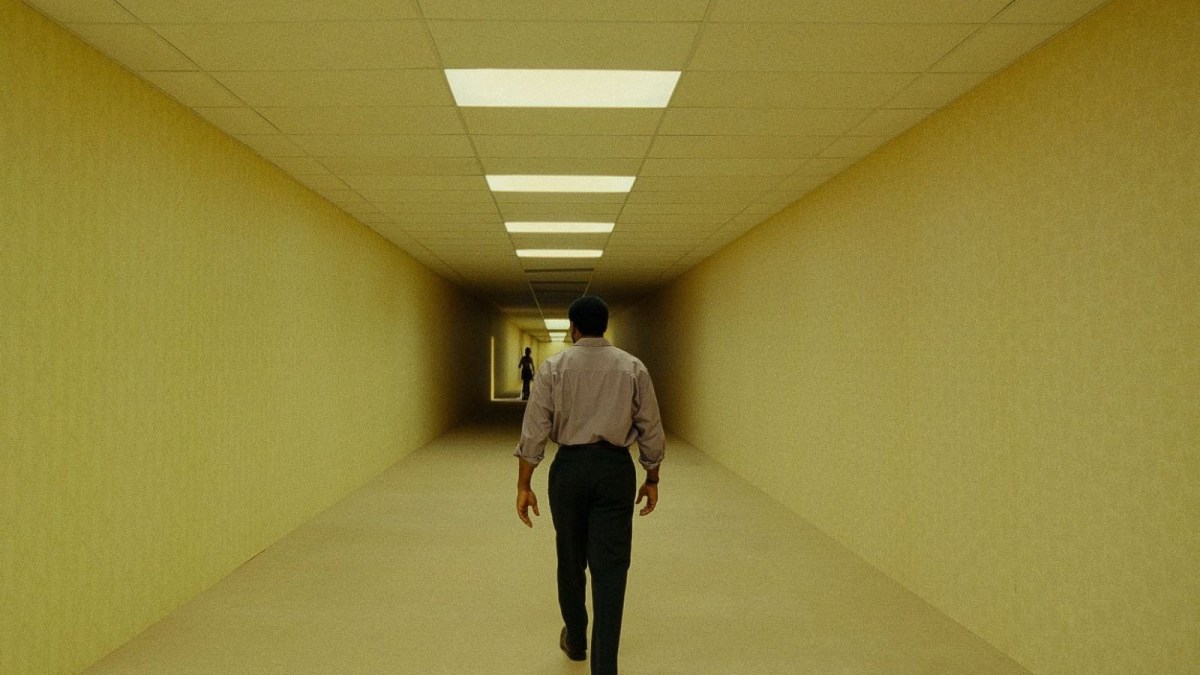
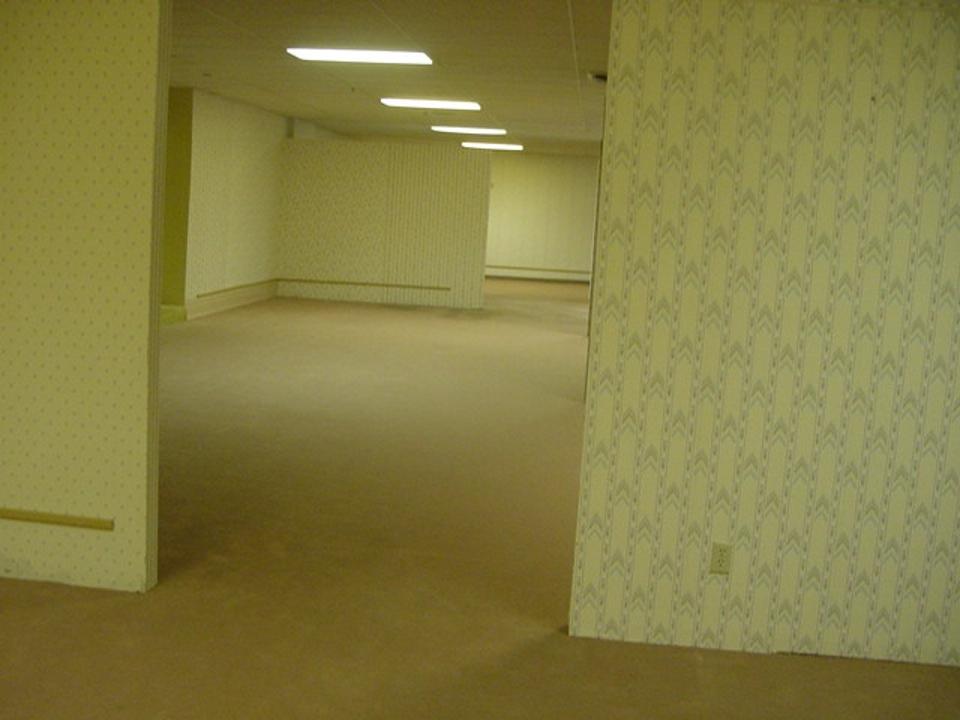
The Backrooms began in the humblest of ways, as a photo posted to a message board in 2019 after a user requested images that “feel off.”
The photo showed a dated office space with faded yellow wallpaper, harsh fluorescent lights, a dingy carpet and a layout that suggested the space went on forever in a logic-defying maze.
As users joked about the image, they didn’t realize they were creating lore that would ripple across the web for years, a collaborative improvisational effort that vaulted the photo from mere image to a meme.
Meme became internet legend, legend became a series of web shorts and games expanding on the concept, and this year it became a film by A24 with a budget of $10 million and box office revenue exceeding $400 million, a massive success by every standard.
Chiwetel Ejiofor (Children of Men, Life of Chuck) plays Clark, a furniture store salesman who is deeply unsatisfied with his life. Clark, who lives and sleeps in his store after hours, stumbles on a hidden portal in the basement that leads to a seemingly infinite dimension of rooms, hallways and strange chambers that feels like the work of an architect on powerful hallucinogens.
When Clark tries to explain what he’s found to his therapist, Mary, she thinks he’s conjuring up the existence of this secret place as a way to cope with his frustrations. Angered by her disbelief, Clark vows to bring her proof. Then he recruits his assistant manager, Kat (Lukita Maxwell) and her videographer boyfriend Bobby (Finn Bennett) to help him chart the bizarre maze while documenting their efforts on film.
The movie does a remarkable job of accumulating dread. I’ve been familiar with the concept of The Backrooms for years and played one or two of the indie video game adaptations, so I was immediately on edge as Ejiofor’s Clark began creeping further into the maze from his first visit, apparently unconcerned about finding a way back.
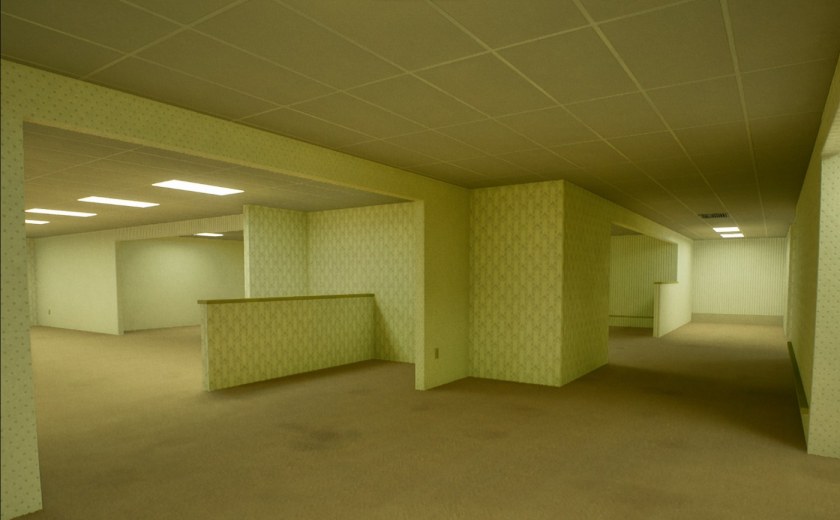
Like the excellent 2019 game Control, about a woman trying to find her brother in a vast building that is larger on the inside than its structure logically allows, and rearranges itself in seemingly random ways, The Backrooms follows no familiar rules or logic. Its halls and rooms feel relentlessly claustrophobic even when they’re cavernous, and there’s no guarantee that the path you took on your way in will still exist when you try to get out.
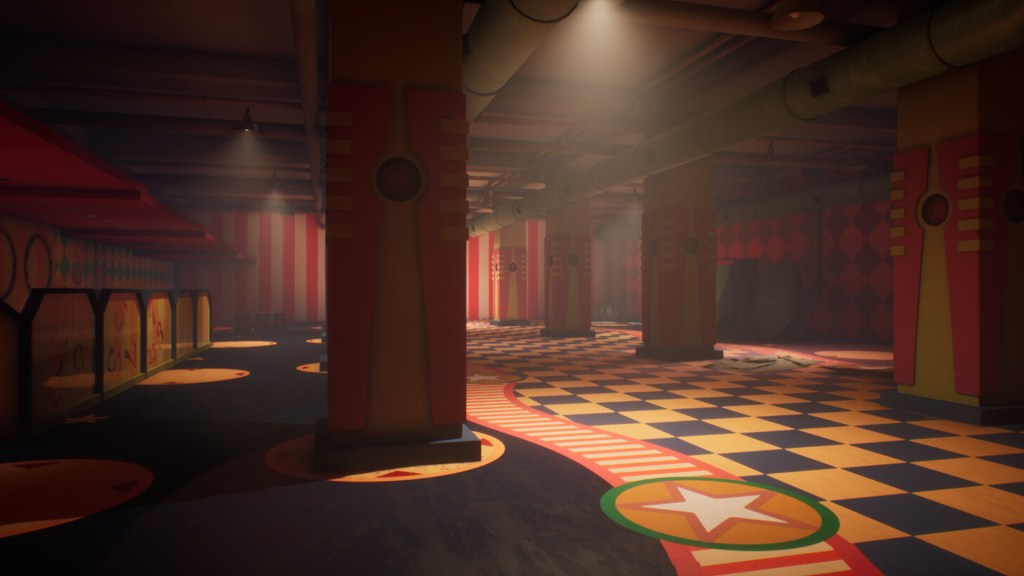
The details are all wrong as well. Floors slope in counterintuitive ways, tiny doors open into vast rooms, furniture sinks into the floor or hangs from the ceiling, and the context is always distorted.
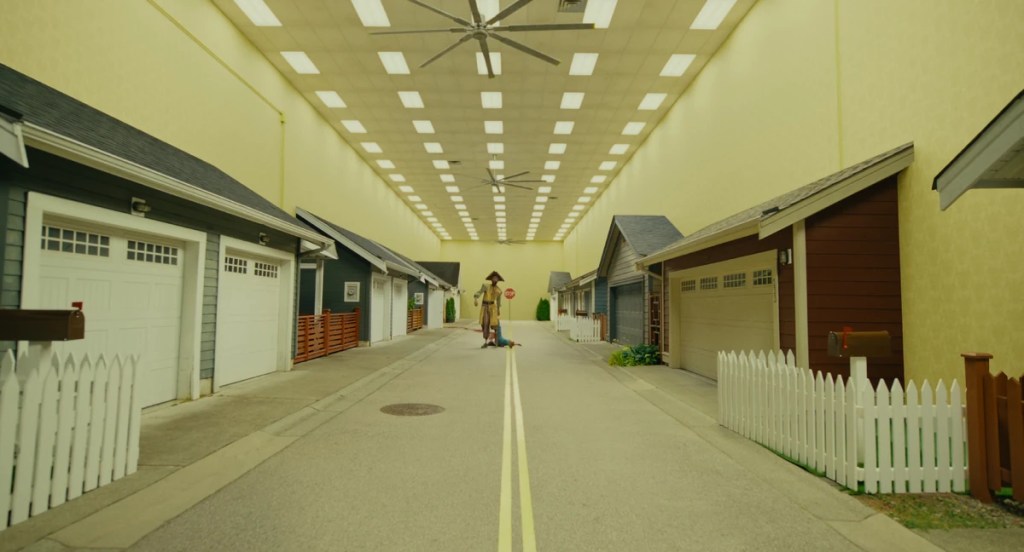
The endless yellow maze may abruptly turn into a tiled pool area filled with water, but in a shape and design that no one would ever build. A room filled with random objects — shoes, furniture, traffic signs — might open up to what looks like a recreation of a suburban street inside a vast chamber, or a dark room filled with Christmas decorations. If you try to turn back, you may find no trace of the space you were just in.
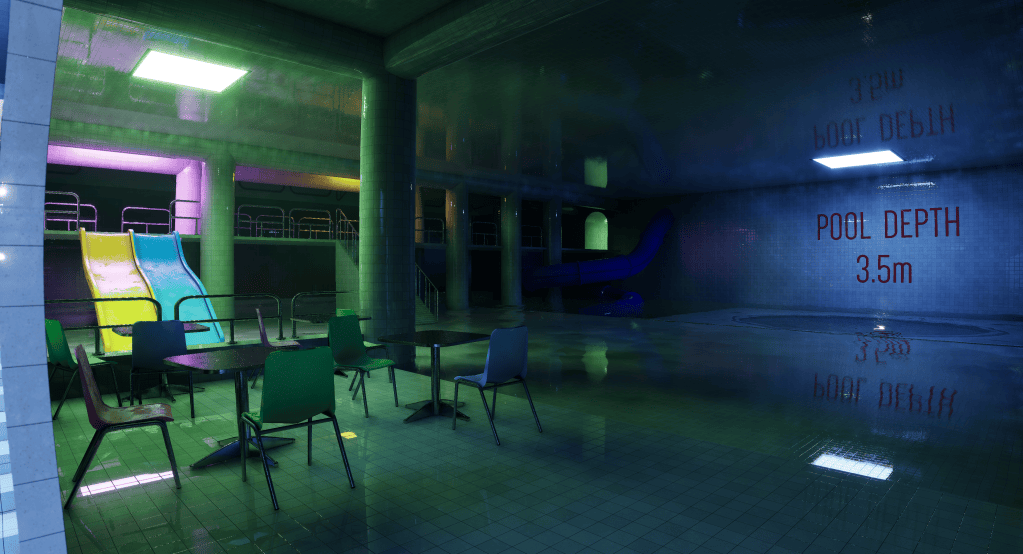
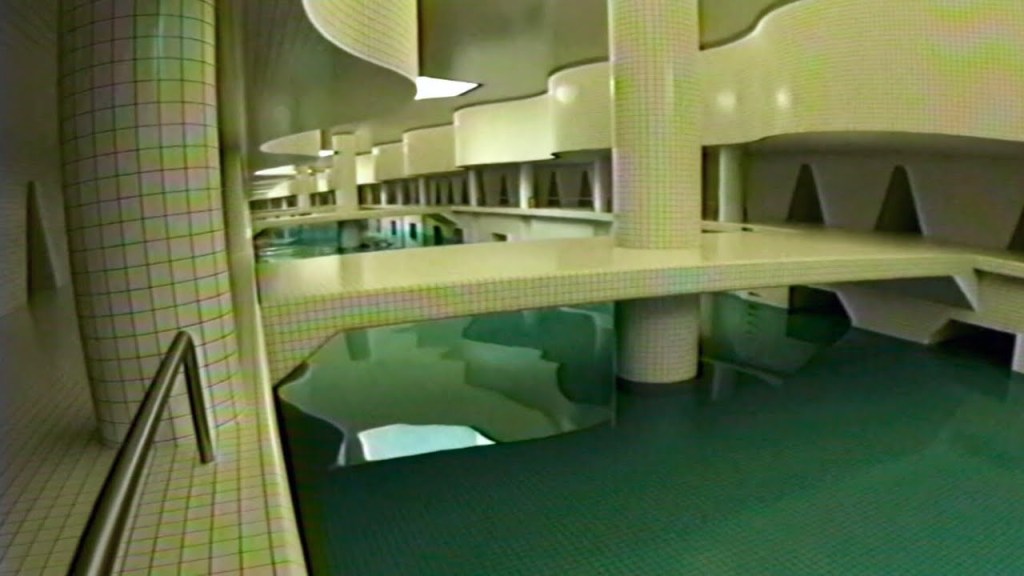
And then there are the noises, the tormented shrieks that seem to come from just around the corner, the shadows of unseen figures, and the objects that appear and disappear without any discernible pattern.
Of course there wouldn’t be a movie if Clark and company were able to come and go at will unscathed, and when Clark seems to vanish, his therapist Mary (Norwegian actress Renate Reinsve) goes looking for him.
Like the others, she is not prepared for what she finds.
So what makes The Backrooms so damn creepy?
Since it became a phenomenon, psychologists have tried to answer this question. The most common theories involve:
- The extremely unsettling concept of an infinite maze where mundane items and surroundings become deeply disturbing when they’re placed out of context. Everything inside The Backrooms is familiar, but that provides no comfort in the utter isolation of a soul-deadening labyrinth where reality’s rules bend and break.
- The idea of liminal spaces, locations where we expect to find people, voices, laughter, activity, and instead find nothing at all. Think of an eerie abandoned shopping mall, a place where thousands of people once walked its wide corridors, now reduced to a lifeless husk. Or an abandoned city like the real life ruins of Herculaneum and The Wheel of Time’s fictional Shadar Logoth, silent for thousands of years where once people worked, children played and merchants hawked their wares. Everything you can see is human-made, or at least an imitation of things people make, but there isn’t so much as another person’s footfall, at least until a sense of deep isolation sets in and the suggestion of another living soul triggers paranoia instead of relief.
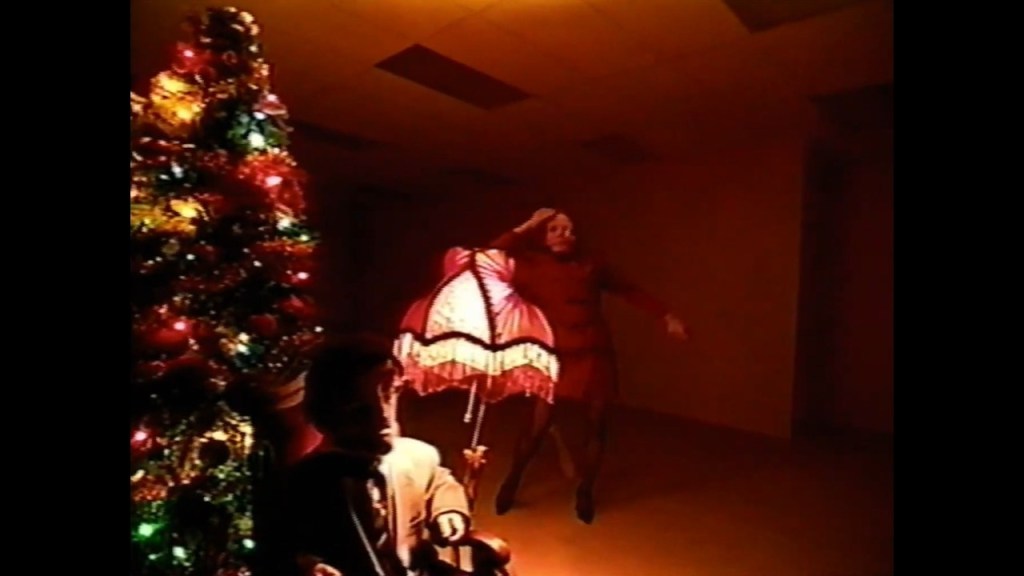
Of course there are other elements to it as well, something we can’t quite put our collective finger on. The concept triggers something primal in the human brain, an unsettling feeling when you know something’s deeply wrong but you you cannot make sense of your surroundings.
Having played several of the game adaptations, I can say that, for me at least, experiencing The Backrooms as a narrative, through the eyes of characters who have lives and things to lose, is considerably more effective than wandering the same spaces as a nondescript character in a video game.
The same feeling of despair is there, especially the panic that sets in when you realize you cannot trace your way back, that the only way out is through, and that you’re at the mercy of The Backrooms themselves, whether they’re guided by an intelligence or something more bizarre and ethereal.
There are no true jumpscares here, or at least not in the way most of us imagine them in the horror genre. The horror comes from the ever-building sense of dread, disorientation and the characters’ descent into madness. The movie does an effective job of winding the tension ever tighter until it seems like there is no escape.
Fans of the meme and internet lore will find lots to like here, but even if you’ve never heard of The Backrooms concept before, the film will find a way to tunnel into the primal part of your brain and convince it there’s something profoundly wrong, even if you can’t articulate what it is.


I know Backrooms is in top ten of most watched. The mustard yellow rooms are so gross and dreary. I will give it a shot.
LikeLike
Gross and dreary, and also disturbing in ways difficult to describe. A lot of people who have never heard of it will wonder what the big deal is, but it taps into something particularly weird and glitchy in our brains. I didn’t want to spoil it since it’s best experienced knowing as little as possible beforehand.
LikeLike