Some Cat Advocates Claim Kitten Season Is Getting Longer Due To Climate Change

Is there any evidence to support claims of a longer kitten season?

Is kitten season getting longer because of climate change?

Some rescuers in California think so, according to a story in Santa Rosa’s Press-Democrat.

“Heat and warmth is what it’s all about,” said Mary Pulcheon, trapping coordinator for Forgotten Felines of Sonoma County.

Pulcheon and the executive director of Forgotten Felines, Pip Marquez de la Plata, told the Press-Democrat that strays in their care had given birth as late as December in 2023 when kitten season generally runs from late March through October.

They say the typical kitten season has shifted and is now longer due to rising temperatures caused by climate change.

It’s an unverifiable claim for several reasons.

First, we don’t have reliable estimates for how many cats there are in the US, let alone stray and feral cats. Any estimates are guesses, and they vary wildly from 20 million on the low end to 120 million, which seems an excessive and unrealistic number.

To date there’s been a single comprehensive feline census in the US, the D.C. Cat Count. It took three years, several million dollars, hundreds of trail and trap cameras, and the efforts of an army of volunteers and staff.

The final tally: 203,595, with only 6,533 unowned cats fending for themselves and drifting between managed colonies.
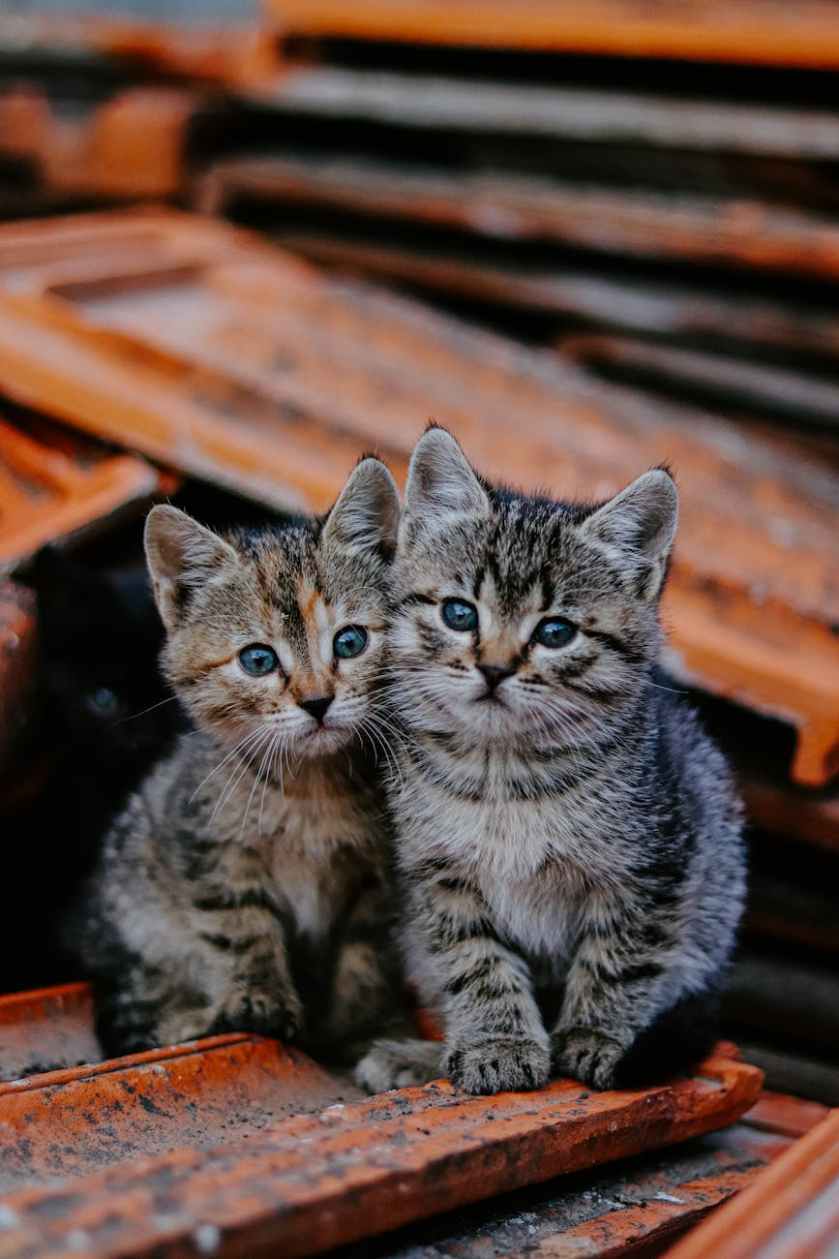
adorable tabby kittens
Credit: Ejov Igor/Pexels.com

The DC Cat Count is historic and has already proven its value by facilitating informed debate, showing rescuers/TNR volunteers where to direct their efforts, and yielding valuable data on local ecological impact.

Alas it’s a one-off, so we don’t know anything about how the population has changed over time.

Secondly, while there absolutely is scientific consensus that human activity is driving global temperatures up, there’s debate about how much temperature flux is directly attributable to modern civilization. We’re also looking at planetary timescales here, tracking changes that happen not just over decades, but centuries and millennia.

Attributing shifts in kitten season to climate change is a bit like attributing single storms to climate change. These are single data points from which we can’t draw conclusions.
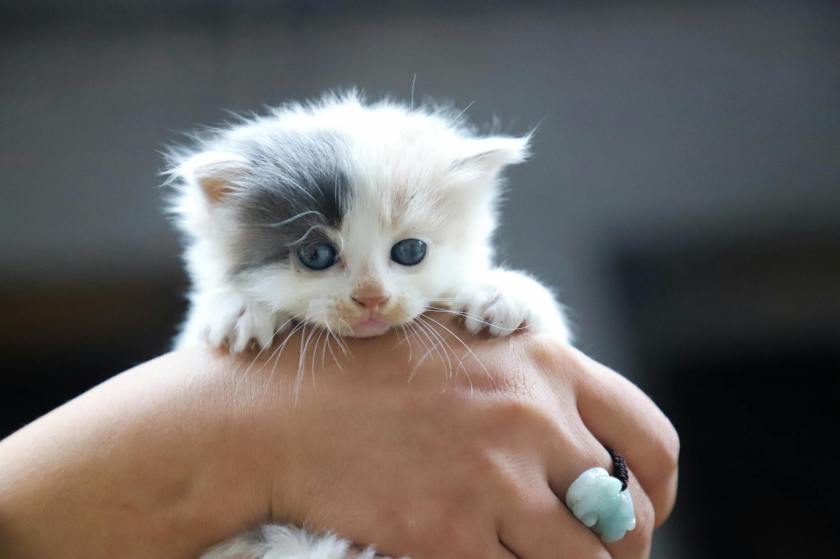
close up photo of person holding white kitten
Credit:Cats Coming/Pexels

Lastly, there could be dozens of factors skewing “normal” kitten season, and that’s assuming the March through October season is normal by historical measurements. We don’t know that for sure, and we can’t know it without data.

I’m limited by a lack of imagination here, but changes in kitten season could be regional, reflect non-climate weather patterns, or adjust according to cyclical patterns. Things as seemingly unimportant as ambient light pollution can have a profound effect on animal behavior, and it always helps to remember that felines are sensitive to stimuli that we literally cannot detect. Cats can pick up high frequency sounds we can’t hear and smell things beneath the notice of our own weak noses. They even have a second form of olfactory input, a literal sixth sense that is unmatched by anything in human biology.

We understand very little about how those things impact feline behavior.

With all things considered there could be hundreds of reasons for changes in kitten season, and that’s assuming the changes are real and people aren’t mistaking outliers for trends.

Ultimately we don’t need to draw conclusions about whether there are more kittens born each season. We know TNR, while imperfect, is the best way to humanely reduce stray and feral populations, and we still have a way to go before cats are no longer euthanized because we can’t find homes for them.
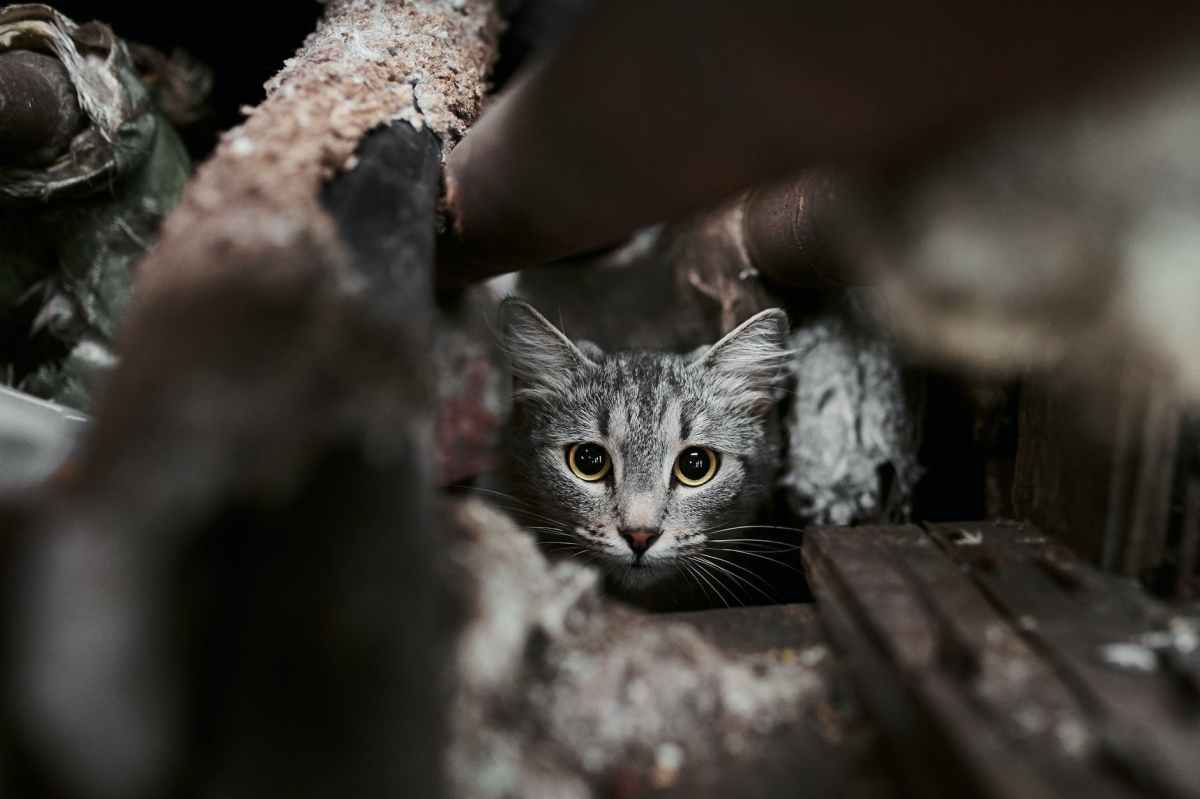
The Most Important Cat Study Ever Has Been Completed, And The Results Are In

For the first time ever, a US city has conducted a true cat census using scientifically proven methods, including doing it the hard way — by counting. The project’s authors hope other cities follow their lead.

The last decade has seen something of a renaissance in cat-related research, with insightful studies about feline behavior coming from researchers in the US and Japan.

On the other hand there’s been a glut of research into feline predatory impact and public policy, and the majority of those studies have been deeply flawed. They’re based on suspect data and tainted by the interests of people who are more interested in blaming cats for killing birds than they are in learning about the real impact of domestic felines on local wildlife.

Those studies have all taken extreme shortcuts — using data that was collected for entirely different studies, for example, or handing out questionnaires that at best lead to highly subjective and speculative “data” on how cats affect the environment.

Several widely-cited studies that put the blame on cats for the extirpation of bird species have relied on wild guesses about the cat population in the US, estimating there are between 20 million and 120 million free-roaming domestic cats in the country. If you’re wondering how scientists can offer meaningful conclusions about the impact of cats when even they admit they could be off by 100 million, you’re not alone.

No one had ever actually counted the number of cats in a location, much less come close to a real figure — until now.

When leaders in Washington, D.C., set out to tackle the feral cat problem in their city, they knew they couldn’t effectively deal with the problem unless they knew its scope. They turned to the University of Maryland for help, which led to the D.C. Cat Count, a three-year undertaking to get an accurate census with the help of interested groups like the Humane Society and the Smithsonian.

DC Cat Count
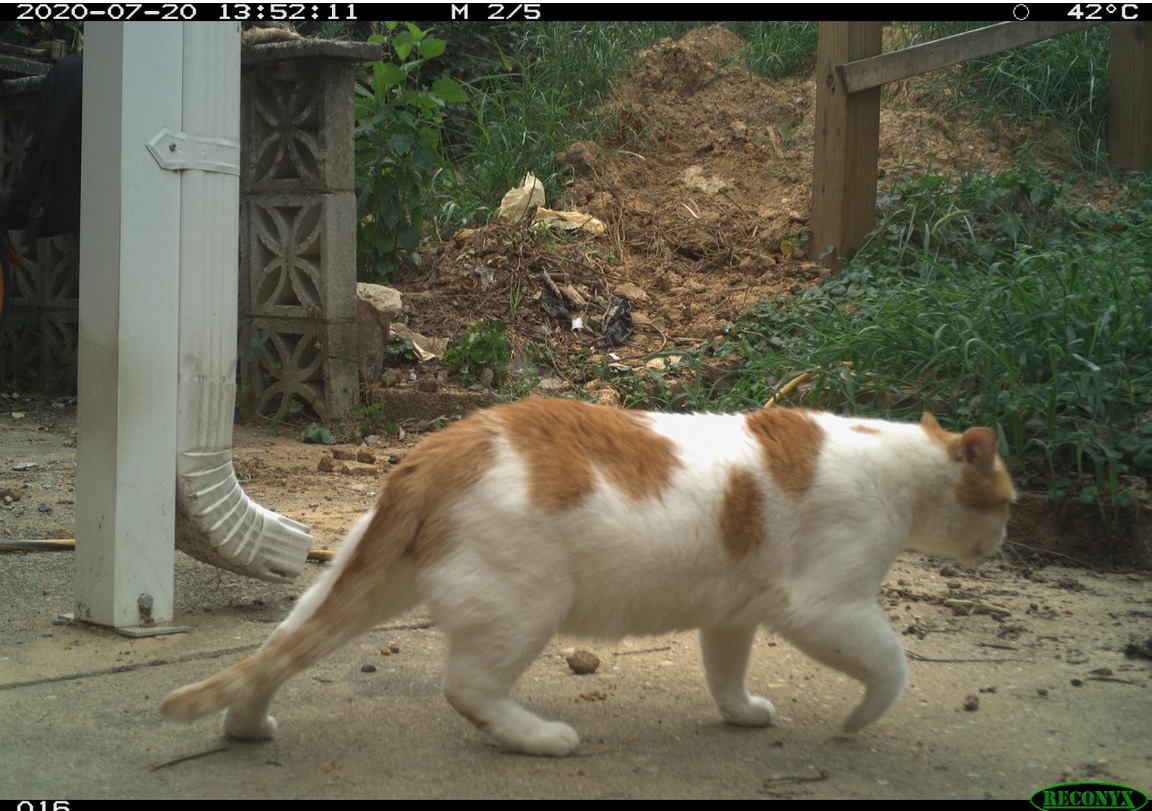
An image from one of 1,530 motion-activated cameras deployed for the D.C. Cat Count. Credit: D.C. Cat Count

The researchers approached each of their local shelters and rescues for data, then assembled a meticulous household survey to get a handle on how many pet cats live in the city, and how many have access to the outdoors.

Finally — and most critically — they used 1,530 motion-activated cameras, which took a combined 6 million photos in parks, alleys, public spaces, streets and outdoor areas of private residences. They also developed methods for filtering out multiple images of individual cats, as well as other wildlife. And to supplement the data, team members patrolled 337 miles of paths and roads in a “transect count” to verify camera-derived data and collect additional information, like changes in the way local cats move through neighborhoods.

DC Cat Count
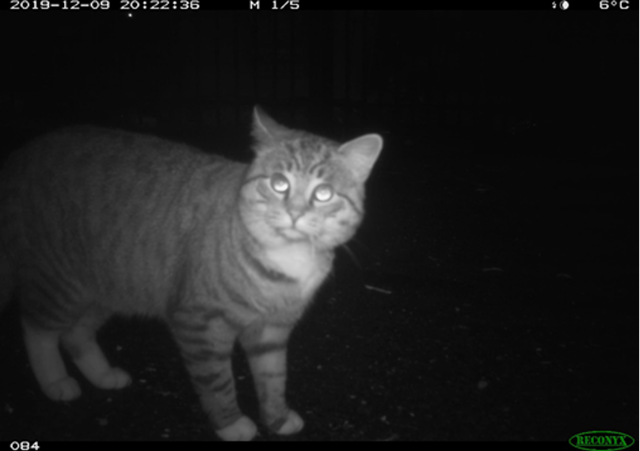
A cat who looks a lot like the Budster was captured in this 2019 photo from a motion-activated camera with night vision. Credit: DC Cat Count

Now that all the data’s been collected and analyzed, the D.C. Cat Count finally has a figure: There are about 200,000 cats in the city, according to the study.

Of those, 98.5 percent — or some 197,000 kitties — are either pets or are under some form of human care and protection, whether they’re just fed by people or they’re given food, outdoor shelter and TNR.

“Some people may look at our estimate and say, oh, well, you know, you’re not 100% certain that it’s exactly 200,000 cats,” Tyler Flockhart, a population ecologist who worked on the count, told DCist. “But what we can say is that we are very confident that the number of cats is about 200,000 in Washington, D.C.”

The study represents the most complete and accurate census of the local cat population in any US city to date, and the team behind it is sharing its methods so other cities can conduct their own accurate counts. (They’ll also need money: While the D.C. Cat Count relied on help from volunteers and local non-profits it was still a huge project involving a large team of pros, and it cost the city $1.5 million.)

By doing things the hard way — and the right way — D.C. is also the first American city to make truly informed choices on how to manage its feline population. No matter what happens from here, one thing’s certain — the city’s leaders will be guided by accurate data and not creating policy based on ignorance and hysteria painting cats as furry little boogeymen.

DC Cat Count
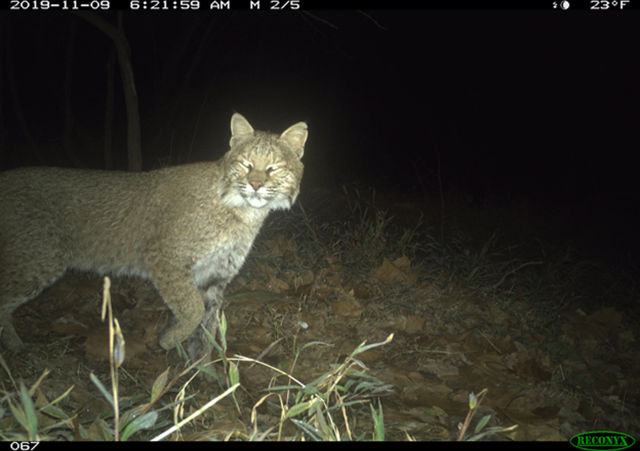
Not all the photos captured images of cats, and not all the felines were little: In this 2019 night image, a bobcat wanders in front of a trail camera. Credit: DC Cat Count