
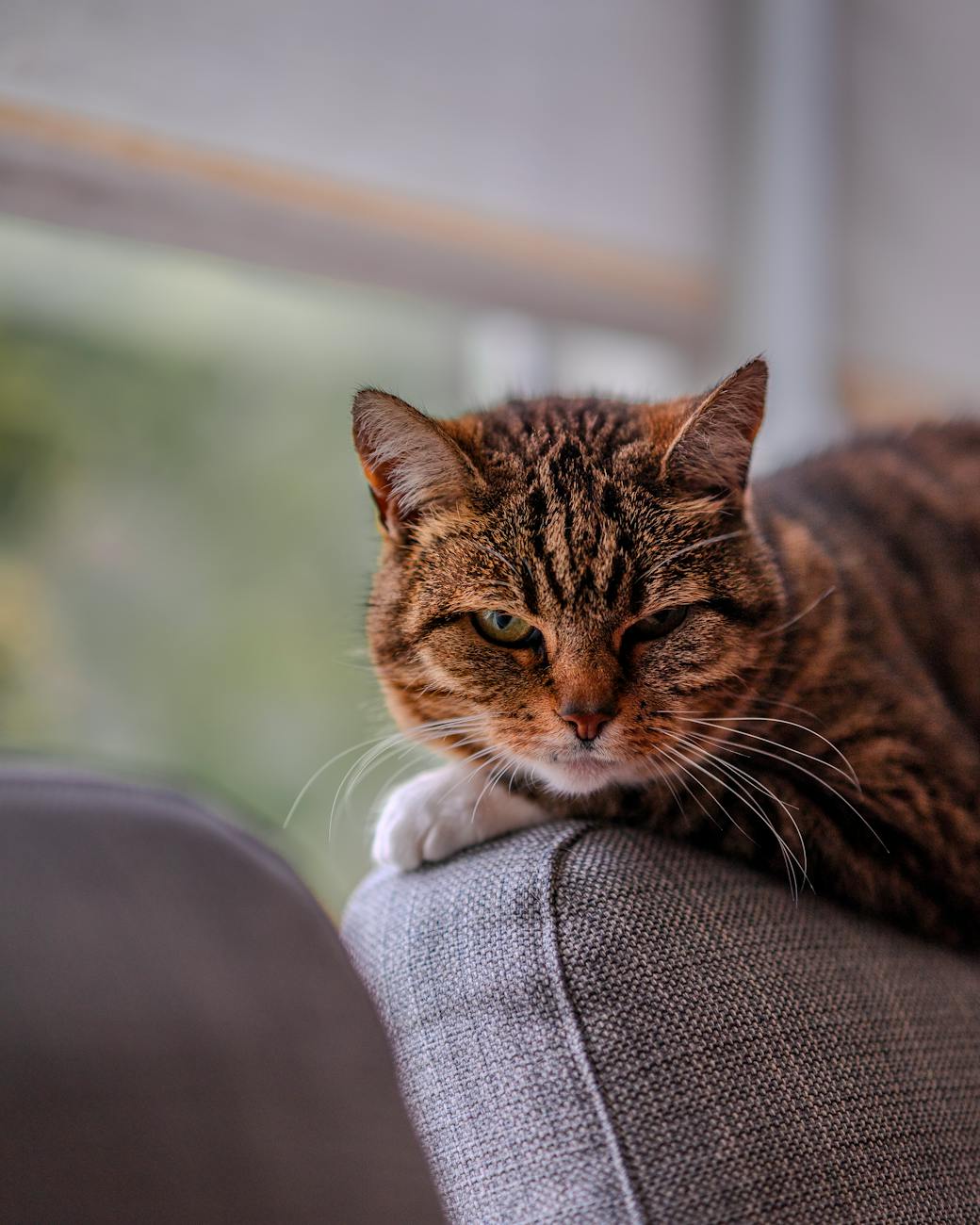
A new study shows dogs and human toddlers are eager to help when their adult caregivers are looking for a missing item, but cats don’t seem to care.
The study, which involved running the same experiment for young children, dogs and cats in their own homes, made it clear cats were fully aware of what was happening and understood their humans were looking for the missing object.
They just didn’t care.
There was one notable exception, of course. If the missing items were important to the cat — a favorite toy, for instance, or a bag of treats — the felines were motivated to help search or direct their humans to the missing objects, the research team from Eötvös Loránd University in Hungary found.
But at all other times, feline observers were content to hang back and watch, even when they understood their humans were getting frustrated.
By contrast, young children and dogs actively tried to help and signaled to adults when they thought they’d found the object.
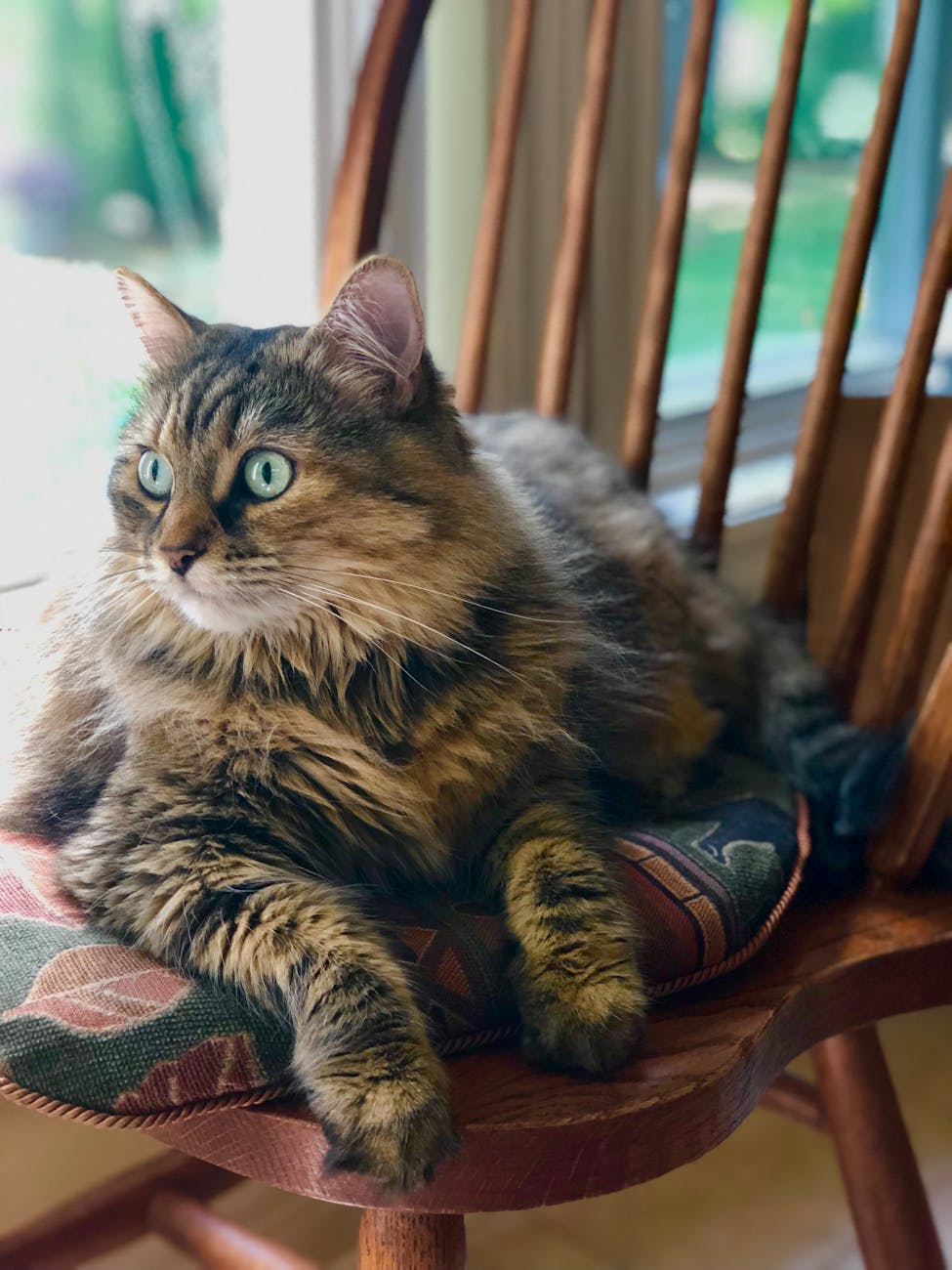
So does this mean cats are jerks? Probably. Are we surprised by the results? Not at all.
We still love our furry friends, who do have their own unique ways of demonstrating they care about their humans beyond seeing them as providers of food, shelter, and safety, as well as playmates, minions and servants.
Besides, testing whether dogs or cats were helpful or not wasn’t the point. As the authors note, “[t]hese three species provide an important comparison because they share a similar anthropogenic environment but differ in their ecological and evolutionary backgrounds.”
In other words, they’re interested in figuring out how evolution plays a part in how species behave in particular situations. Although it’s yet to be conclusively proven for this behavior, a likely reason is because domestic cats are the descendants of a mostly solitary wildcat species, whereas we humans and our canine friends have long evolutionary histories of living in social groups and cooperating with each other.
The study is included in the March 2026 issue of Animal Behavior.
 Pain In The Bud
Puspus is totaly capable of sitting on them on purpose and enjoy watching me look for them……
He is French after all !!
LikeLike
On your keys? It’s incredible, cats will sit on almost anything. Does Puspus like to sing Les Poissons?
LikeLike
I had never heard of this song , but if it’s Les Poissons (From “The Little Mermaid”)
I haven’t laughed so much in a long time.
No he doesn’t but we certainly will now !
LikeLike
I figured a French cat might hum that tune before tucking into some salmon or whitefish. 🙂 It was sung by the late René Auberjonois, who was also a longtime Star Trek actor, and a really talented dude.
LikeLike
gosh thats interesting, I didn’t know that either, I was a huge Star Trek fan ( still am ! ) Although Puspus is not what you call a quick learner, we will learn it.
My first career in France was a patisserie chef so I can relate absolutely 🙂
LikeLike
I do hope they didn’t spend a lot of time and money on that research. In my experience, some cats don’t even bother to help humans find themselves. The other day, my son and I had not seen Gypsy since we’d gotten home from work. We both spent several minutes wandering around the house calling her name. No luck. He figured we shouldn’t worry unless she missed breakfast. He was correct. She had been sitting in the buffet in the dining room ignoring us calling her. She came out when she was hungry.
LikeLike
To cat9984. Humans are the dumb animals. I rather see stories where cats have saved thier owners. Whether it is cancer or owners getting warned about a dangerous smell in the house or being warned of a fire in the house.
LikeLiked by 1 person
You have a point. 🙂
LikeLike
I can see how that can happen, especially in a multi cat household with several people living there, and each cat trying to keep a place for themselves to retreat to. You’ve described that dynamic quite a bit in your posts.
LikeLiked by 1 person
True. And it’s interesting to see them respond to the quieter house now that the boys are gone.
LikeLike
Absolutely no surprise here!
LikeLike
And THAT’S why I love cats!
LikeLike
Indeed.
LikeLike
Could care less about this study. Cats are what they are. Just great as they are.
LikeLike
Yes but the question of evolutionary influence on behavior is interesting and studies like this help us chip away at our incredible ignorance. Questions about nature vs nurture, how different animals see the world, how evolution influences psychology.
LikeLike