
We’ve written quite a bit about Turkey and how it serves as a model for co-existence and fondness between humans and cats, as well as other animals.
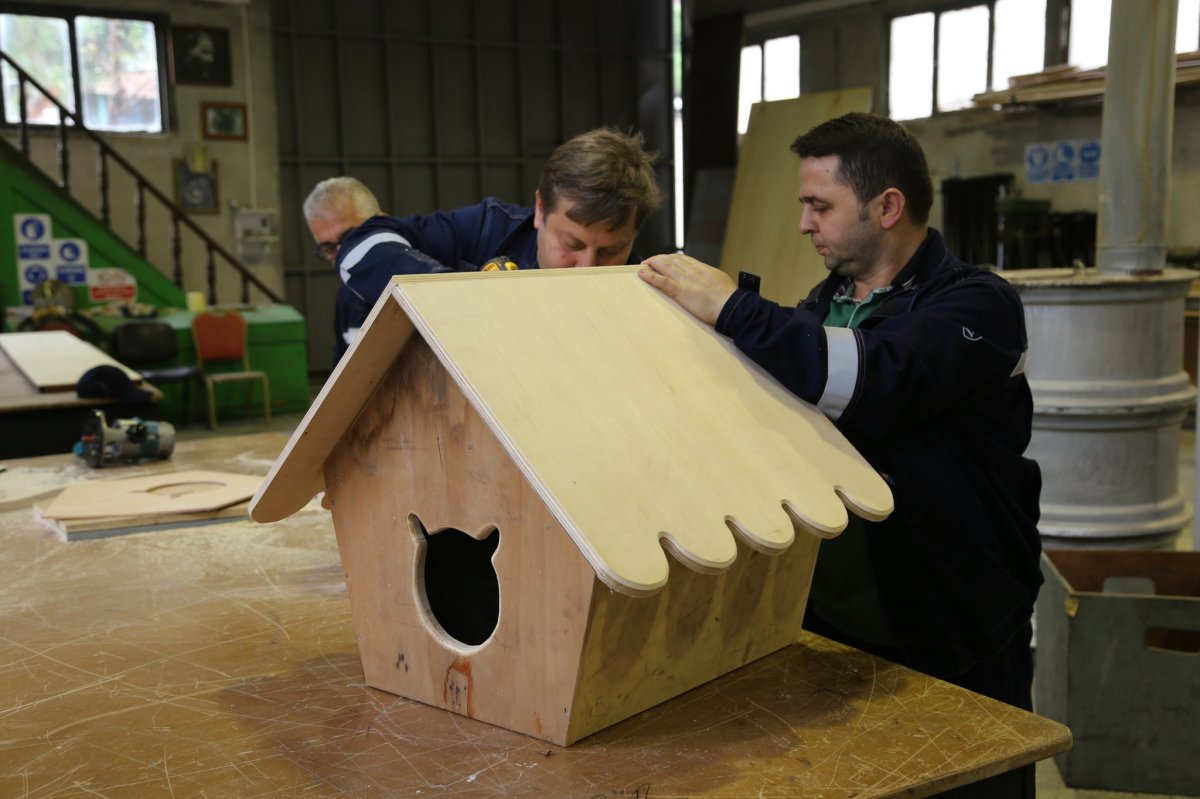
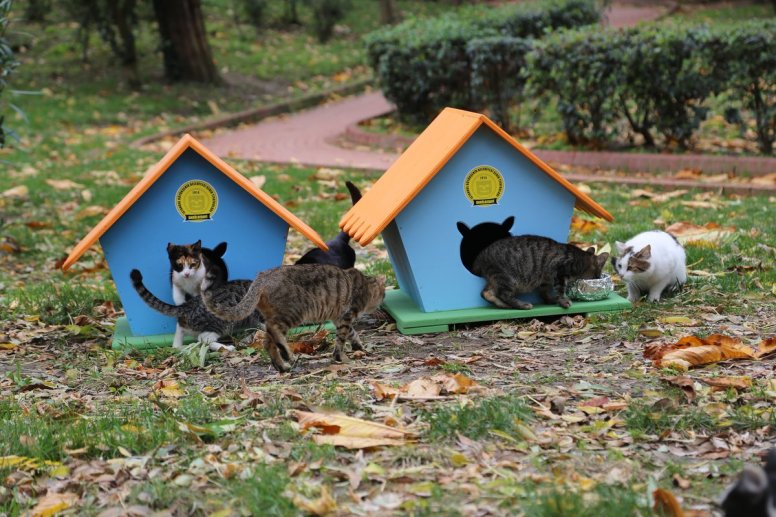
In Turkey — and especially in ancient Istanbul, the most populous city in Europe — cats are fed, welcomed into homes and shops, and taken care of by the entire community. Pets are still a thing there, but Istanbul’s stray population is the best cared-for in the world. They have their own parks, they’re protected by the people, and they’re even given miniature shelters which famously dot the city of 15 million.
“The whimsical structures — more like miniature apartment buildings than single-kitty houses — can be found in parks, outside shops and cafes, abutting private homes, and on university campuses, providing shelter for the city’s estimated 125,000 strays,” Reason to Be Cheerful’s staff wrote.
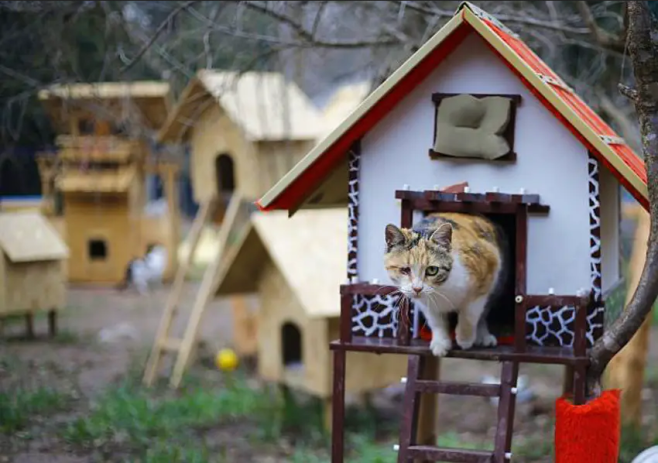
The practice of creating shelters for strays and ferals began in 2008, when a young architect named Didem Gokgoz would pass strays in Istanbul’s Mistik Park as she walked to and from work every day.
“Every day I passed the park and saw them looking for a place to get some warmth during the winter, and I felt desperate,” Gokgoz said.
At first she began making small shelters from recyclable materials, but the compact structures weren’t always tolerated in parks and other places where people felt they were an eyesore, so after meeting with the city’s mayor, Gokgoz engaged in an experiment: She built larger, more aesthetically acceptable permanent structures in the park, including one that looks like a large catio with a sloping, house-like roof, draped in greenery and nondescript among the park’s other features.
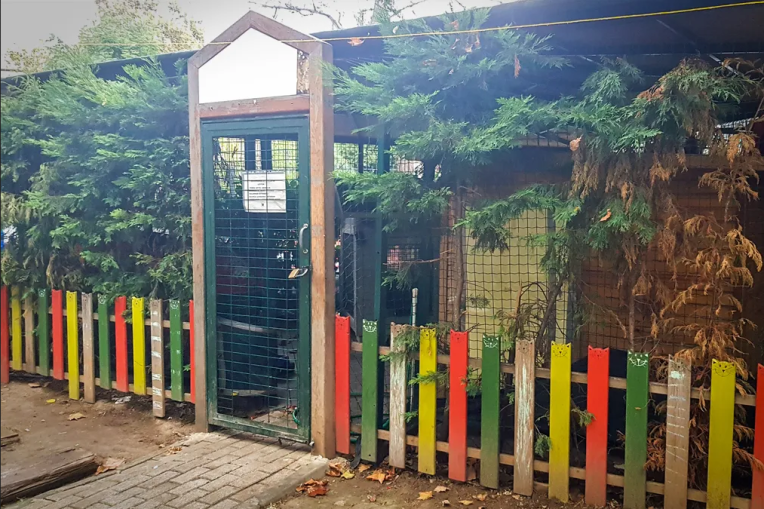
The project was a success, and soon she found herself with requests to build more. But they aren’t just built and installed: Each cat house is run by about a dozen volunteers who keep track of the local cats, feed them, get them spayed/neutered and see to their other needs.
Almost 14 years later, cat houses have become a permanent fixture not only in Istanbul, but in other Turkish cities as well.
“It became something normal; individuals make requests for cat houses,” Gokgoz told the Turkish journalism site Transitions. “That was our main goal, and we’ve reached it. Today, everybody accepts that cats must have their own life spaces in the city.”
 Pain In The Bud