
What’s one thing that makes you proud of your country?
View all responses
When all is said and done, when America is just a memory, when our heroes are myths, our founding fathers are legends, and archaeologists of the future poke through the ruins of our most enduring structures to tease out clues about American life, there will be one shining testament to American ingenuity and determination that history can never erase.
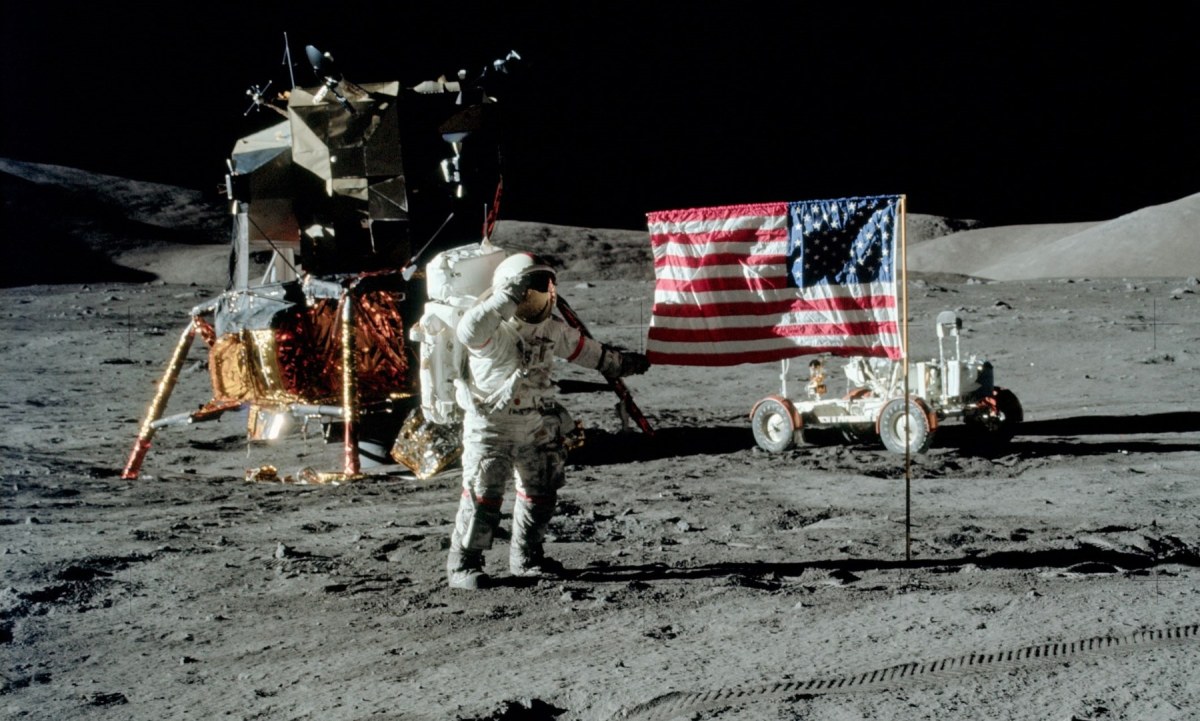
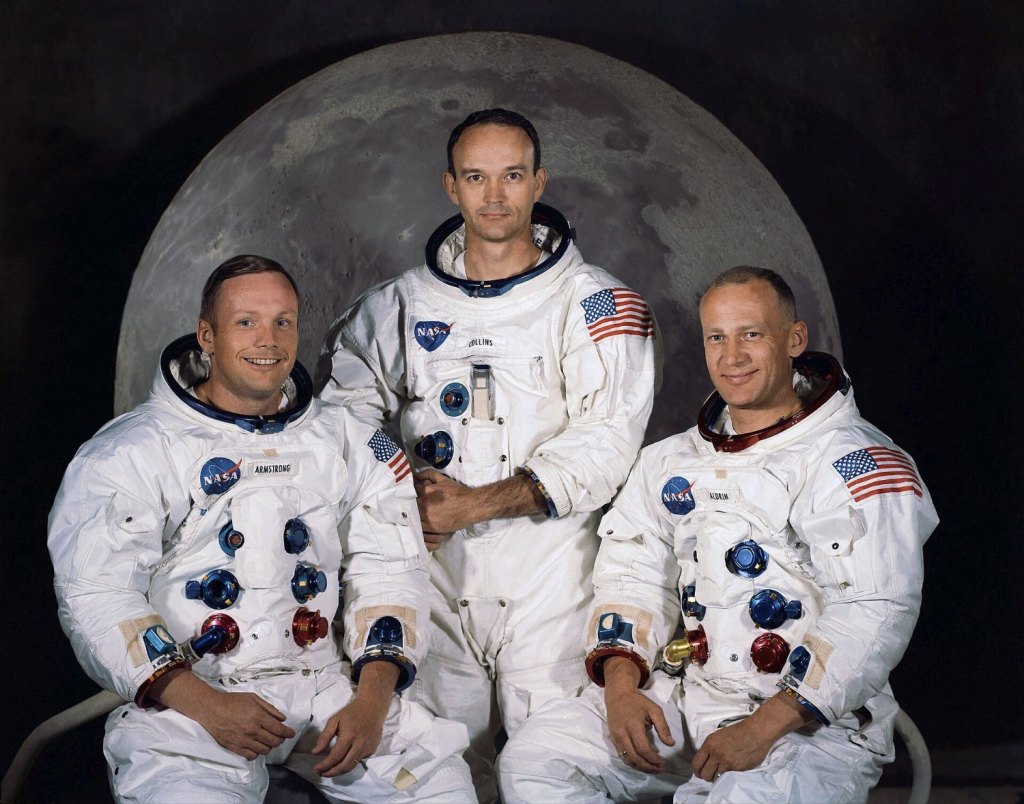
On July 29, 1969, Americans became the first humans to walk on another world.
Their booted feet left the first impressions on pristine lunar regolith. Their flag marked the spot where years of engineering, planning, dreams and ambition came to fruition.
Almost six decades later the US remains the only nation to accomplish that feat, considered impossible for almost the entire 200,000 years homo sapiens have roamed the Earth. Until American visionaries proved otherwise.
There’s been a lot of chatter over the decades claiming America has lost its edge, that X or Y country is on course to surpass us by one metric or another. Yet none have come close to matching that accomplishment in 1969, which was achieved at a time when all of NASA, with its room-size computers and cutting edge technology, had less computing power than each one of us carries in our pockets today.
America never lost its edge. Rather, the monumental accomplishments of our brightest engineers, physicists and designers have been rendered mundane in a world that has grown accustomed to miracles.
Even with the space program’s anemic budget, the US through NASA continues to lead the charge in exploring our star system, our galaxy and our universe.
The James Webb and Nancy Grace Roman space telescopes are the shining jewels of our current efforts to understand the cosmos, even if the average person doesn’t appreciate the innovation and brilliance it took to design, build and deploy those miracles of engineering and physics.
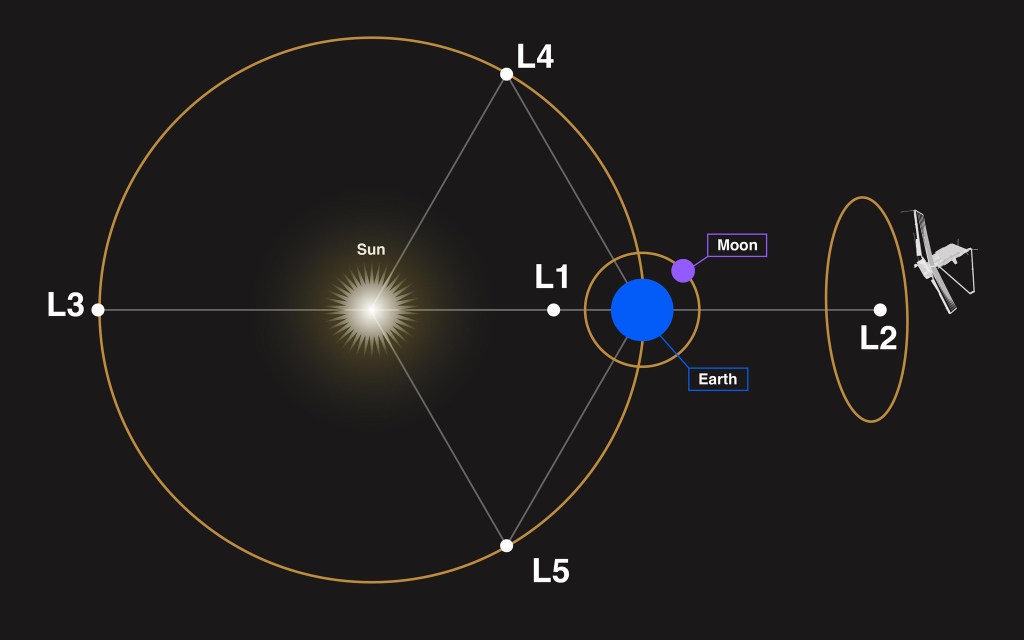
The Webb and Roman departed this world as spacecraft, escaping our atmosphere and the steel grip of Earth’s gravity on the backs of heavy rockets before firing their own engines and embarking on a million-mile journey to a pocket of space called a Lagrange point.
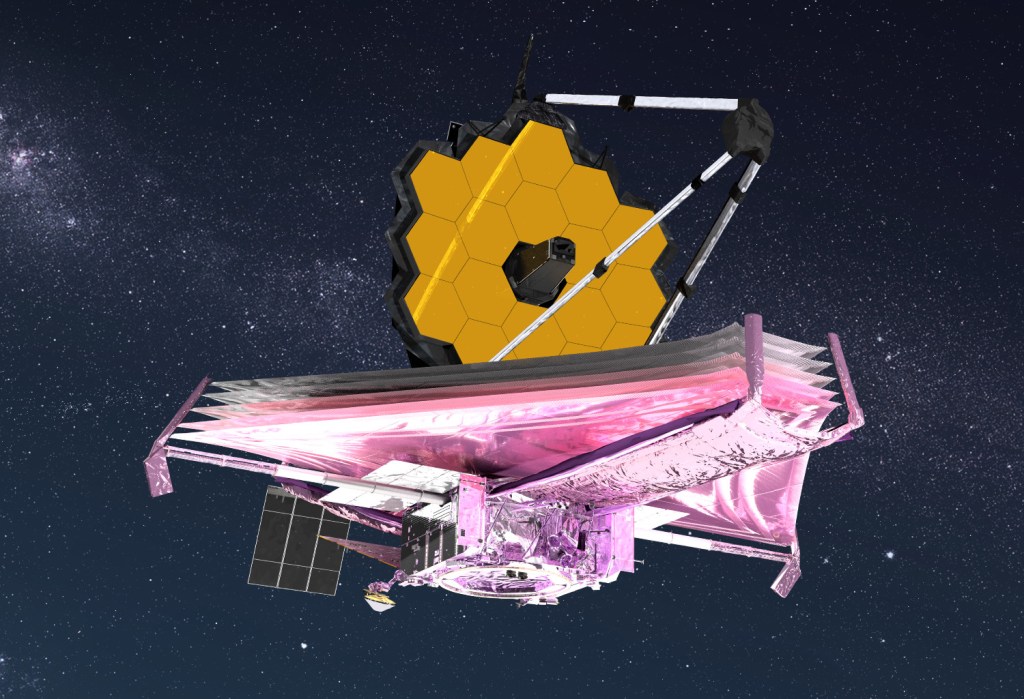
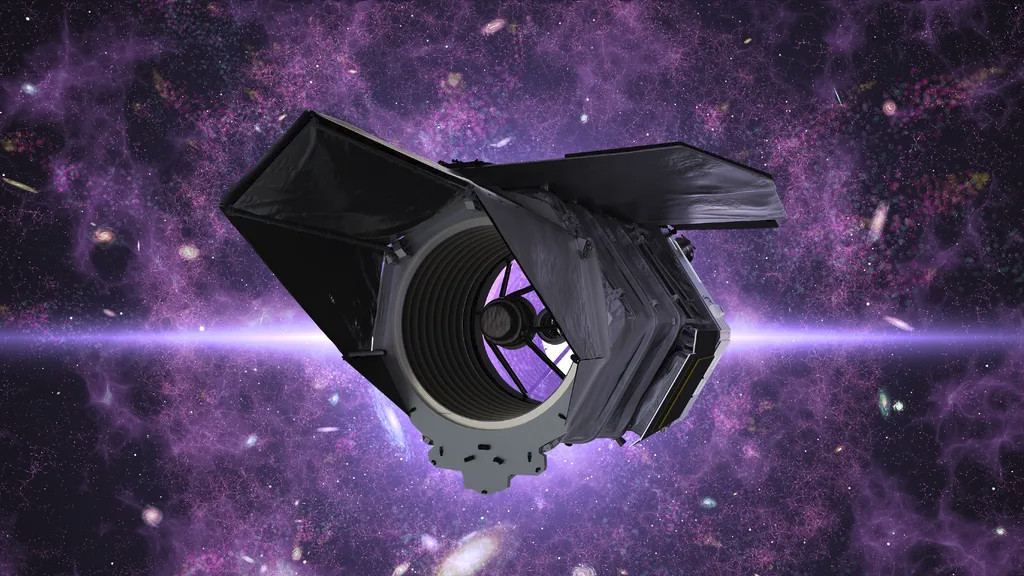
Webb, left, and Roman. Credit: NASA
Once they arrived at Lagrange point two (L2) each vessel underwent a careful metamorphosis, like dizzyingly complex butterflies emerging from metal cocoons. In a ballet representing the most precise engineering in human history, the spacecraft transformed themselves into telescopes that can see in a thousand wavelengths, image vast swaths of our universe, and peer back almost to the beginning of time.
America’s brightest have glimpsed the source code of the universe and touched the cosmos with their minds. They’ve invented machines that grant man powers the gods of Olympus could only dream of. They’ve accomplished medical miracles, and changed the way our entire species sees the world.
It’s not because there’s something special about us. We are everyone. We’re a nation of immigrants, people from every corner of the Earth. There’s no such thing as a typical American.
The reason we’ve been able to accomplish these feats is cultural. In many parts of the world, the nail that sticks out is hammered down. In the US, the squeaky wheel gets the grease. We reward innovation, listen to the eccentric, recognize genius, and for the most part we leave people alone to do what they do best.
No matter what else we’ve done, no matter how much we’ve stumbled, we’ll always have that. I could write ten thousand words of self-flagellation, pointing to our many sins as a country, our worst impulses, imperial behavior, and the stains that will never wash out because we chose to go to war or fund another country’s aggression out of perverse self-interest.
But that’s been done to death, and it’s beyond the scope of this post.
I hope that if our species still exists 10,000 years from now, in whichever form it may take, people will still look back toward Earth and remember the United States took humanity’s first tentative steps into the cosmos.
This post is a response to the prompt of the day: “What’s one thing that makes you proud of your country?”

