
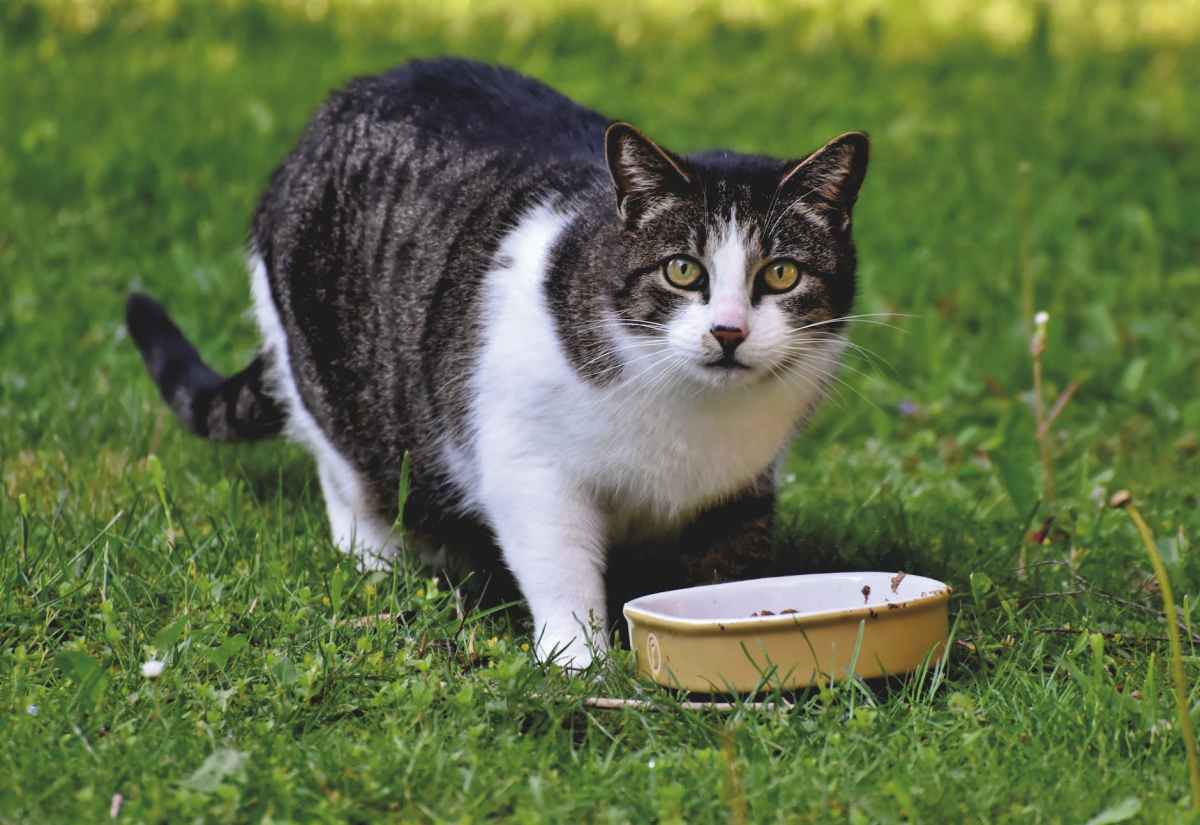
The cat world is abuzz with a new report that hails the efforts of a Japanese scientist, claiming he’s “created a miracle” that can extend cat lifespans to 30 years.
The story on Bored Panda claims the drug has “astounding potential,” boasting “a level of efficacy that has exceeded all expectations and has the potential to revolutionize feline healthcare.” According to Bored Panda, we’re headed toward a gleaming future and “soon we will be able to grow old with our beloved pets and be grey together.”
“Cat Lovers Rejoice As New Medicine Will Extend Cat Lifespan To 30 Years,” the headline declares.
Okay, let’s dial it back a bit and break down what’s true and what’s not.
First and most obvious, the story oversells the treatment and if you’re counting on your cat living to 30, you’ll need to readjust your expectations.
That’s unfortunate because there’s a good story at the heart of this, and there may be real benefits to cats eventually.
Toru Miyazaki is an immunologist who discovered a protein that helps the kidneys flush out toxins. Eight years ago, he realized the protein — apoptosis inhibitor of macrophage, or AIM — doesn’t always work properly in felines, which is why so many cats are susceptible to kidney failure, especially when they reach age 10 or so.
The AIM protein, Miyazaki explained, launches from immunoglobin antibodies “like a jet fighter from an aircraft carrier,” removing waste and debris from the kidneys.
But in cats, sometimes the AIM protein — the fighter jet — is “too tightly bound” to the antibodies, meaning it doesn’t “launch” in the first place and can’t do its job of flushing out toxins.
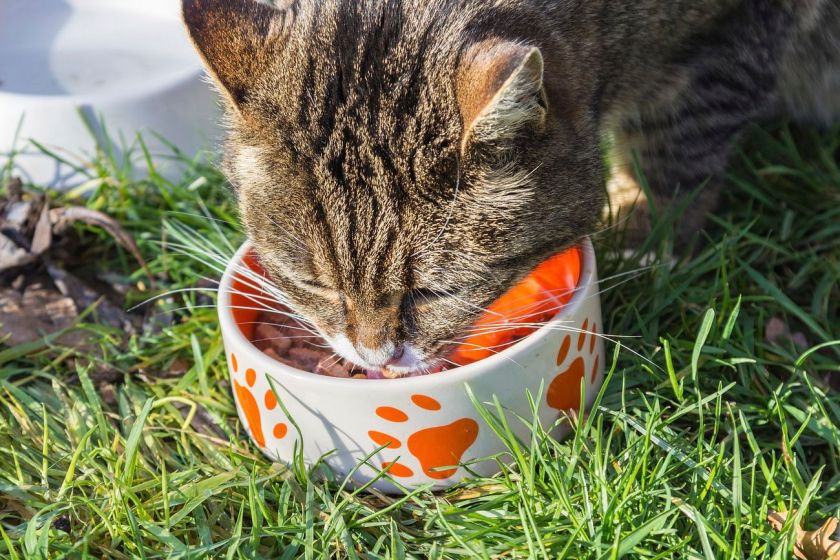
Miyazaki was continuing his research into feline kidney failure while he was a professor at the University of Tokyo, but funding dried up in 2020 as the lion’s share of research money in immunology was directed toward addressing SARS-CoV-2 and the disease it causes, COVID-19.
When a Japanese newspaper published a story about Miyazaki having to abandon his research, donations came pouring in. Cat lovers across Japan donated an astounding $2.3 million, prompting Miyazaki to leave his post at the University of Tokyo and found a non-profit dedicated to tackling kidney disease in cats.
As of September 2023, Miyazaki’s organization is running clinical trials on his AIM therapy, and it has partnered with a Japanese pet food company on new food that is supposed to reduce the possibility of kidney disease.
There’s not enough data yet to make any definitive statement, and even if the data existed, the AIM therapy is not a cure: Miyazaki says if all goes well, kittens who are given AIM therapy injections from an early age, and eat a diet with the AIM-enhancing formula, could have their risk of developing kidney problems reduced and potentially live longer lives.
That’s a far cry from Bored Panda’s image of cat lovers dancing in the streets, joyous with news of a miracle pill that will allow Socks and Oreo to run around like kittens for three decades.
While it’s natural to be excited about the potential of AIM therapy, calling it a “miracle” that will “revolutionize feline healthcare” and allow us to grow old with our cats can give people false hope.
Even if the trials go perfectly and AIM therapy breezes through the approval process, the soonest the injection therapy could be available in Japan is 2025. The US, UK and Europe have their own regulatory agencies and clinical data requirements. That means it might help kittens born years from now, but it won’t double the lifespans of the cats we love now.
It’s also worth mentioning that not everyone is thrilled to hear Miyazaki has partnered with a pet food company that sells ultra-processed kibble. Over at bark&whiskers, Karen Shaw Becker — a veterinarian who specializes in preventative care — points out that ultra-processed dry food is thought to be a major contributor to the feline kidney problems, with the ingredients, rendering methods and lack of moisture (water) all posing health hazards to cats. Cats have low thirst drives and get most of their hydration from meat.
While Becker writes she’s watching the trials closely, like other veterinarians, she recommends cat lovers continue to feed their furry friends wet and/or fresh food with high quality ingredients, no fillers and lots of protein.


my view is simple – with Bella and Bertie all treatment and feeding will continue as usual – I don’t trust any “miracle cures/life-extending drugs” nor will I ever want to try it on them. I am old enough to remember Thalidomide and the disaster that “miracle” was. The only miracle maker was Jesus and not some “Japanese scientist”
LikeLiked by 2 people
Yes, although to be fair the outlandish claims were made by the Bored Panda writer and headline writer rather than Miyazaki. Even when they’re hyping their own research in press releases, scientists are much more circumspect with claims. I should have been more clear that it was the writer.
But yeah…I’m also going to go with the simple advice of Dr. Becker in the linked analysis, and continue feeding mostly wet food, making sure Bud’s water bowl is clean and is replaced with fresh water several times a day, etc.
LikeLike
Sorry. Will never try any of this crap on my cat. And i do not know of any cat owner who would. And those FIP drugs? NOT A CHANCE. In my days of tnr of ferals we always euthanized a sick cat with any disease. We euthanized many kittens with FIP or they will suffer a horrible death.
LikeLike
Treatment of FIP has come a long way. I know cats that survived the disease with appropriate treatment. It’s expensive and it takes a long time but it works.
LikeLiked by 1 person
I’ve run a few stories on people with FIP cats and the Gilead Sciences drug has something like an 85 to 90% cure rate. The problem is that Gilead wouldn’t seek FDA approval for it because it’s similar to remdesivir, and apparently the company’s execs were worried that if the FIP drug was held up, remdesivir would be too.
Because of that, people have to buy the FIP drug from middlemen, who in turn buy it from manufacturers in China who stole the research from Gilead.
The middlemen/women then jack up the prices by eye-watering amounts, taking advantage of the desperation of people whose cats have FIP.
The feds just charged two women with importing and profiting off the FIP drug. Great income if you have no conscience.
LikeLike
Here’s the story I mentioned. The FDA says two women who were selling the FIP drug via Facebook jacked up prices by as much as 16x and did $9.6 million in business:
LikeLike
Here is the reality of kittens and cats rescued from the streets who have FIP.Rescue groups are almost broke and have no money to give any treatment.
LikeLiked by 1 person
Of course. The middlemen are marketing to people who have emotional attachments to particular cats.
The difference between a well-loved pet cat and a stray is arbitrary, as is made very clear every time a stray goes viral for a backstory that pulls at the heartstrings and adoption applications come flooding in.
LikeLike
Dear Gilda, my cat is alive because those FIP drugs. He was 6 month old when we got diagnosis and without the drug he will be dead long ago. Now he is 4 year old, healthy and happy.
LikeLiked by 1 person
Thanks for chiming in, Andrea, and I’m glad your cat is thriving after taking the FIP regimen.
You might be interested in stories I’ve written about other FIP cats and their humans:
The first two stories are about cats who got a second chance at life and the last story is about how the pharma company’s refusal to submit the FIP drugs for FDA approval has created a black market with predatory opportunists charging huge amounts of money for the drugs.
I hope Gilead Sciences, the company that invented the FIP drug, drops its objection to the FDA approval process. The reason it did so in the first place was because the drug is chemically similar to Remdesivir, and the company was afraid that if the FIP drug got held up in the approval process, the latter drug would too.
Now that COVID is less of a concern, perhaps they have more motivation to put the FIP drugs on the market.
LikeLike
A viable, affordable treatment for kidney disease would be wonderful. But old cats don’t just suffer from kidney problems. Many of my older cats had cancer and other terminal problems. Sad but true, just like people cats deteriorate as they age.
My beloved cat Googoo died of kidney disease before she was even 7 years old. Treatment didn’t do a thing for her and only prolonged her suffering. Losing Googoo was brutal.
And for a final thought: how many cats were used for this research? How many lived through it?
LikeLiked by 1 person
That’s one reason why I wanted to write about this, because the claims in the Bored Panda article are way out of line. Like you point out, lots of things can go wrong with old age, and for cats 10 years old is equivalent to 60.
The study I linked to was conducted on “felinized mice.” It’s heavy duty stuff though, written for immunologists, not for a general audience.
LikeLiked by 1 person
Felinized mice? What’s next, mousified cats? 😦
I’m no immunologist or veternarian, but AFAIK drugs are tested on a number of subjects.
If the drug isn’t tested on cats with kidney disease how will anyone know if it works?
I’m liking this less and less.
LikeLiked by 1 person
From what I’ve been able to work out, the researchers were testing feline antibodies in mice. I don’t know what the advantages/disadvantages are. Presumably the felinized antibodies mimic the properties of AIM that were too tightly bound to antibodies in cats, preventing them from separating and doing their job to eliminate waste in kidneys. (The fighter jet/aircraft carrier analogy the Japanese scientist used.)
What I do know is that was a very early stage trial from 2022 and they’re doing trials on cats now.
LikeLike
What i agree with is Karen Beckers view on dry food. Garbage. But the reality is poor people who want to keep pets sometimes do not have a choice. Dry food can cause many issues in pets. Obesity might be number one.
LikeLiked by 2 people
I had a dear tuxedo, Charles, who developed kidney disease in his old age. I wish that we had had AIM then.
LikeLiked by 1 person
It will be interesting to see how effective AIM therapy is. In the analysis I linked to, two other veterinarians were most skeptical about the food that is marketed in Japan as an AIM-enhanced product.
Of course the same thing happens here with major pet food companies sponsoring research, and the newest thing is the kibble that’s supposed to help neutralize Fel d1 proteins to reduce allergens.
Even with the $2.3m in funding from cat lovers, partnering with a pet food company could mean a major difference in resources.
LikeLike
To Quilpy. I do not want to hear what is next. I was disgusted when i found out that cloned cat CC was in building while i attended a cat show. My first and last show. I was younger and stupid. Cannot get any worse than cloning animals.
LikeLiked by 1 person